Dual-Head Travel Wig Brush & Comb for Easy Detangling
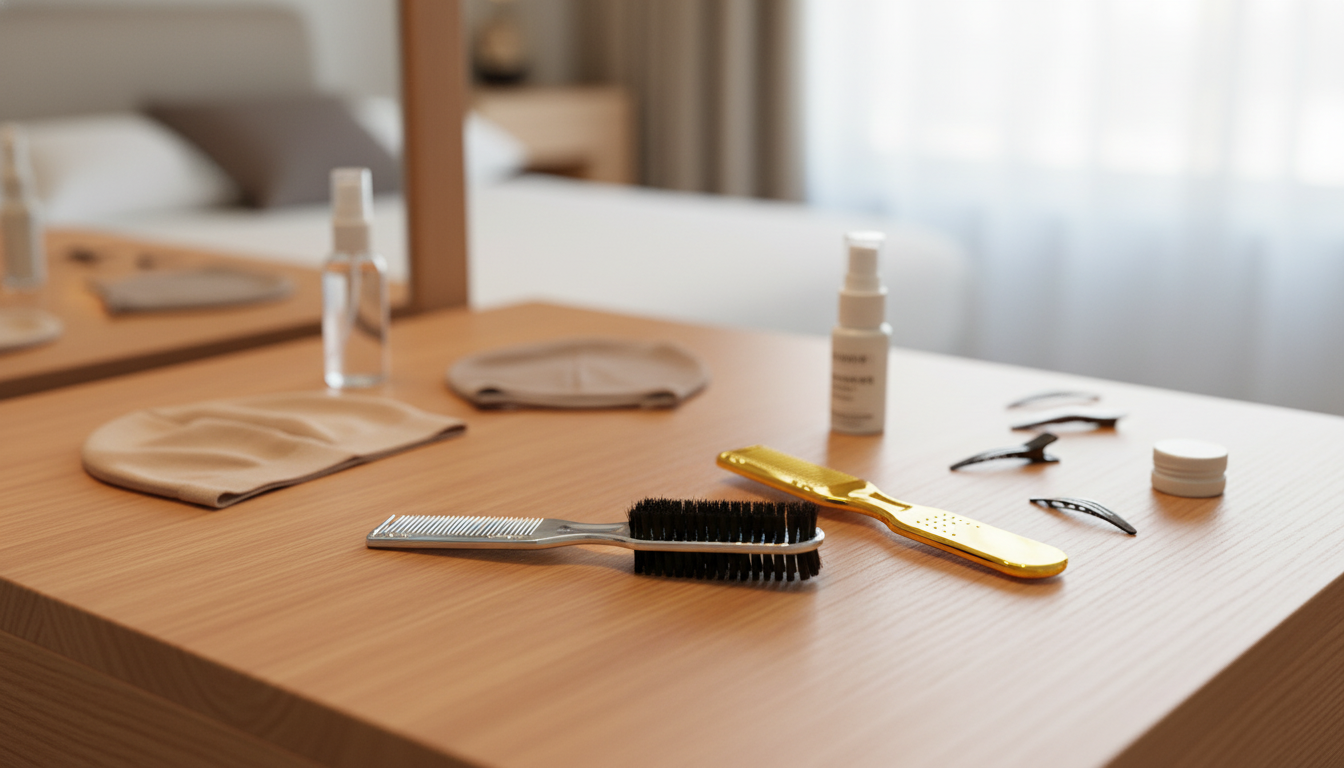
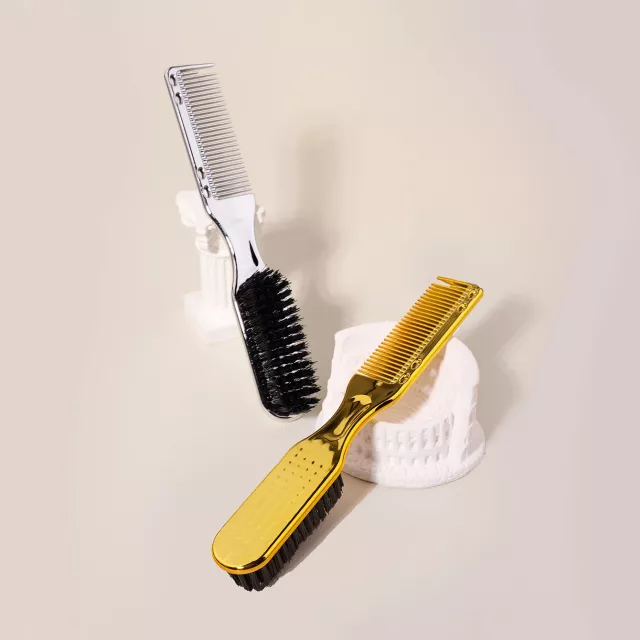
Dual-Head Travel Wig Brush & Styling Comb: Smooth Detangling Anywhere
A compact dual-ended tool can make wig and hairpiece upkeep faster on the go—one side for gentle brushing, the other for precise parting and smoothing. Whether you keep a wig in rotation daily or you wear one for special occasions, small maintenance moments (a quick refresh in the car, a tidy hairline before photos, a clean part after windy weather) can help your style look intentional without overworking the fibers. For more guidance, see The Hard Labor That Fuels the Hair Trade – Sapiens.org.
A dual-head brush/comb is built for those quick wins: fewer tools to pack, more control when you need it, and a lighter touch around delicate areas like lace fronts and cap seams. If you’re adding one item to a travel pouch or desk drawer, a dual-ended option is an easy upgrade. For further reading, see 11 Wig-Styling Secrets From Celebrity Hair Guru Kim Kimble.
Why a Dual-Head Tool Belongs in a Wig Kit
A wig kit doesn’t have to be complicated. The best tools are the ones you’ll actually use—and a dual-head brush/comb earns its spot by handling two everyday jobs with one compact piece.
- Two functions in one: a brush end for overall detangling and surface smoothing, plus a comb end for parting, sectioning, and detail work.
- Less clutter when you’re moving: easier packing for travel, gym bags, work touch-ups, and quick style changes.
- Works across hair add-ons: helpful for wigs, toppers, extensions, and protective styles where controlled sectioning matters.
- Made for quick maintenance: refresh ends, flatten flyaways, and redefine a part without swapping tools mid-fix.
For a simple, budget-friendly option, the Dual-Head Travel Wig Brush & Styling Comb is an easy add-on for purses, carry-ons, or a “just in case” kit.
What It’s Best Used For (And When to Switch Techniques)
Different wig moments call for different levels of tension and control. The benefit of a dual-head tool is that you can shift techniques quickly without getting heavy-handed.
- Daily refresh: lightly brush mid-lengths to ends to remove minor tangles after wear.
- Styling control: use the comb end to create a clean part line, separate sections, and smooth roots near the cap.
- Edge and hairline tidy-up: use gentle, small movements around lace fronts to avoid lifting or fraying.
- Wet fiber caution: avoid aggressive brushing on wet fibers; for many synthetic wigs, detangle after fully dry unless the manufacturer states otherwise.
- Stubborn knots: finger-detangle first, then use short, controlled strokes starting at the ends.
For general wig and hairpiece guidance (especially for people navigating hair loss), the American Cancer Society’s overview is a helpful reference: Wigs and Hairpieces. For broader hair-care basics, see the British Association of Dermatologists’ patient information: Hair care advice.
Quick Start: Gentle Detangling Steps for Wigs
Detangling is where most avoidable shedding and stretching happens—usually from rushing or starting too high up the hair. A calmer, section-by-section approach keeps fibers aligned and reduces stress on the cap.
- Stabilize the base: secure the wig on a stand or hold the cap firmly so the foundation doesn’t stretch while you work.
- Begin at the ends: start at the tips and move upward in small sections, keeping tension minimal.
- Brush for the “big picture”: use the brush side to smooth the surface and release light tangles through the lengths.
- Comb for precision: switch to the comb end for clean separation, parting, and finishing near the roots/cap area.
- Add slip if needed: if you use a wig-safe detangler, mist lightly and let it distribute before brushing.
- Stop on snags: if fibers catch, back up to the ends and work smaller sections to prevent breakage or shedding.
Care Tips to Help Wigs Last Longer
Travel-Friendly Features to Look For
Brush vs. Comb End: When to Use Each
| Task | Brush End | Comb End |
|---|---|---|
| Everyday smoothing | Best for quickly evening out the surface and reducing minor tangles | Use for targeted touch-ups near roots or cap |
| Detangling ends | Use gentle, short strokes starting at the tips | Helpful for separating small sections before brushing |
| Creating a part | Not ideal for crisp lines | Best for precise parting and clean sectioning |
| Styling around lace front | Use very lightly, moving away from the lace edge | Use for careful separation and placement without tugging |
| Finishing details (flyaways, placement) | Good for overall polish | Best for pinpoint control and refining shape |
Pairing Suggestions for a Polished Look
- Add a structured headband to secure edges and create a quick, styled finish. The Spring Plaid Wide Padded Headband is a simple way to frame the face and keep the hairline looking tidy during errands or travel.
- Keep a soft accessory on hand for days when minimal brushing is preferred. The Retro Corduroy Hair Scrunchies & Headbands set is useful for quick ponytail styling or a gentle hold without a tight squeeze.
- Choose snag-free accessories that won’t pull on wig fibers or interfere with grips and clips.
When a Small Tool Makes the Biggest Difference
FAQ
Can this be used on both synthetic and human hair wigs?
Yes, with a gentle technique. Start at the ends, use light pressure, and follow the wig maker’s care guidance—synthetic fibers in particular can snag if brushed aggressively.
How do you detangle a wig without causing shedding?
Secure the cap, work in small sections, and begin at the ends with short strokes. Finger-detangle tough knots first, then brush and refine with the comb end.
How should the brush/comb be cleaned?
Remove trapped hairs, wipe off residue, and wash with mild soap and warm water if needed. Let it dry fully before storing so product doesn’t transfer back onto the fibers.















Leave a comment