Foot & Leg Compression Massager: Shiatsu + Heat Guide
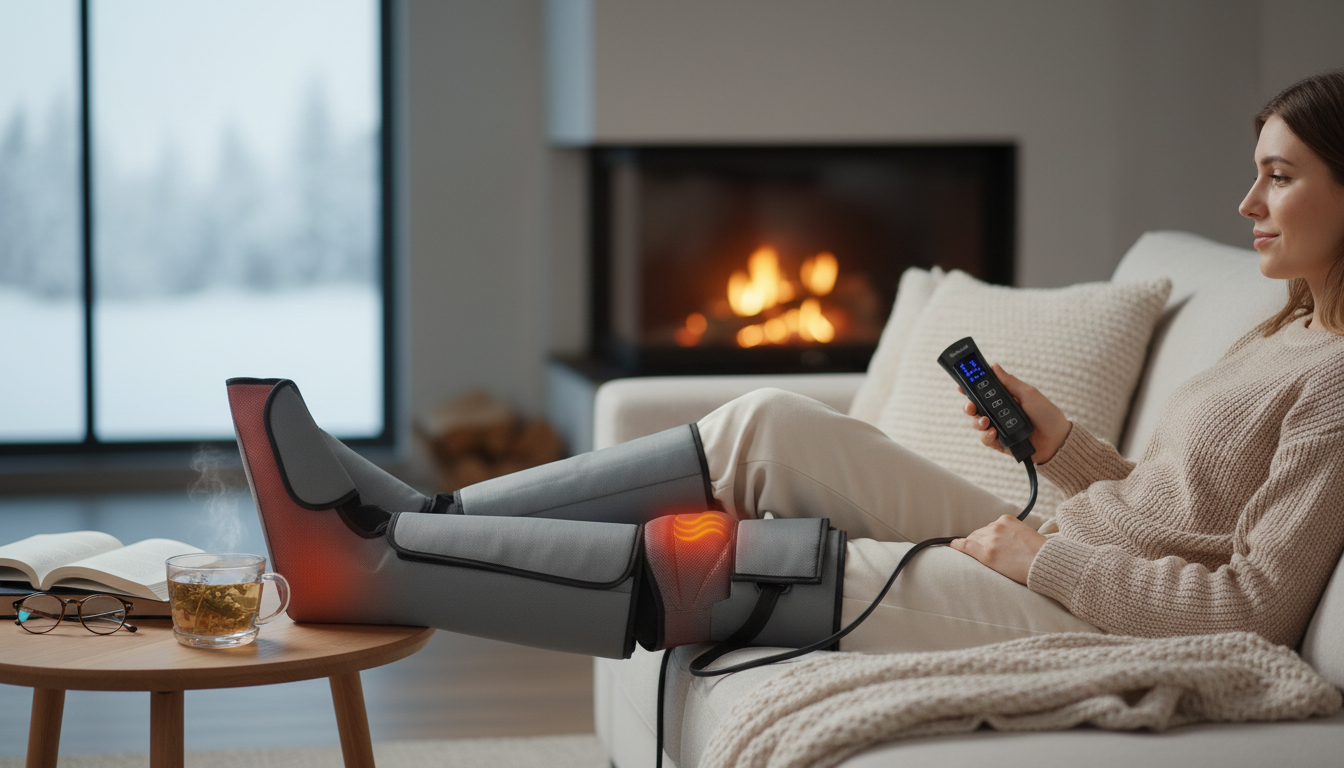
Foot & Leg Air Compression Massager with Shiatsu and Heat Therapy
Long days on your feet, hard training sessions, and even hours at a desk can leave calves and feet feeling heavy, tight, and “worked over.” A foot and leg massager that combines air compression, shiatsu-style kneading, and optional heat can make recovery feel easier at home—whether the goal is post-workout comfort, evening wind-down, or a quick reset between tasks.
What this massager is designed to do
A well-designed foot and leg massager focuses on the areas that tend to complain first: feet, ankles, and calves. Instead of relying on just one sensation, it layers different massage styles so you can match the session to your day.
- Targets common discomfort zones: feet, ankles, and calves
- Uses air compression to apply rhythmic pressure around the lower legs
- Adds shiatsu-style kneading to focus on tight, overworked areas
- Optional heat supports relaxation and warming comfort (not a medical treatment)
- Useful for people who stand for work, sit for long periods, or train regularly
How air compression, shiatsu, and heat work together
Each mode has a different “feel,” and the best results usually come from choosing what your body wants that day instead of maxing intensity every time.
- Air compression delivers a squeeze-and-release pattern that can feel like a structured wrap around the calves and feet
- Shiatsu-style kneading focuses pressure in smaller areas to mimic hands-on massage
- Heat can help reduce that “cold, stiff” feeling and make sessions feel more soothing
- Combining modes can create a layered effect: compression for broad coverage, shiatsu for pinpoint tension, and heat for overall comfort
Mode guide: choosing a session by how you feel
| How it feels | Best time to use | Suggested session focus |
|---|---|---|
| Gentle compression | After sitting or travel | Ease heaviness; start low intensity |
| Compression + shiatsu | After standing or workouts | Target tight calves/soles; moderate intensity |
| Heat + compression | Evening wind-down | Warm comfort; keep intensity comfortable |
| Shiatsu focus (with or without heat) | Spot tightness | Shorter sessions; avoid overdoing sensitive areas |
Standout features to look for in daily use
Comfort is the whole point, so the best features are the ones that help you fine-tune pressure and fit without turning the experience into a hassle.
- Adjustable intensity so the pressure feels supportive, not painful
- Multiple modes to alternate between broad compression and deeper kneading
- Heat settings that feel warm (not hot) and stay comfortable through socks or thin fabric
- A flexible fit that accommodates different calf sizes and foot lengths without pinching
- A straightforward controller so switching modes mid-session is easy
If you’re new to compression-style massage, the ability to start gentle matters more than having the strongest setting. Consistent, comfortable sessions tend to beat occasional “too intense” sessions that leave you sore or hesitant to use it again.
Who tends to benefit most (and who should be cautious)
Many people use compression and massage tools as part of a general wellness routine—especially when daily life involves lots of standing, repetitive training, or long periods of sitting.
- Often helpful for: desk workers, retail and healthcare workers, runners, cyclists, gym-goers, and anyone who frequently experiences lower-leg tightness
- Caution and medical guidance recommended for: people with a history of blood clots (DVT), severe varicose veins, vascular disease, neuropathy with reduced sensation, open wounds, or recent surgery
- Stop use if there is numbness, sharp pain, unusual swelling, skin discoloration, or worsening symptoms
- If pregnant or managing chronic conditions, confirm suitability with a clinician before regular use
For background on compression approaches and when to be careful, see the Cleveland Clinic overview of compression therapy. General massage safety guidance is also covered by MedlinePlus.
How to use it for the best experience
A simple routine helps you get the most out of a foot and leg massager without overdoing it.
If you use heat, keep it in the “pleasantly warm” range—especially after a workout when areas can feel more sensitive. For practical heat-use tips and cautions, the Mayo Clinic explains how to use heat therapy safely.
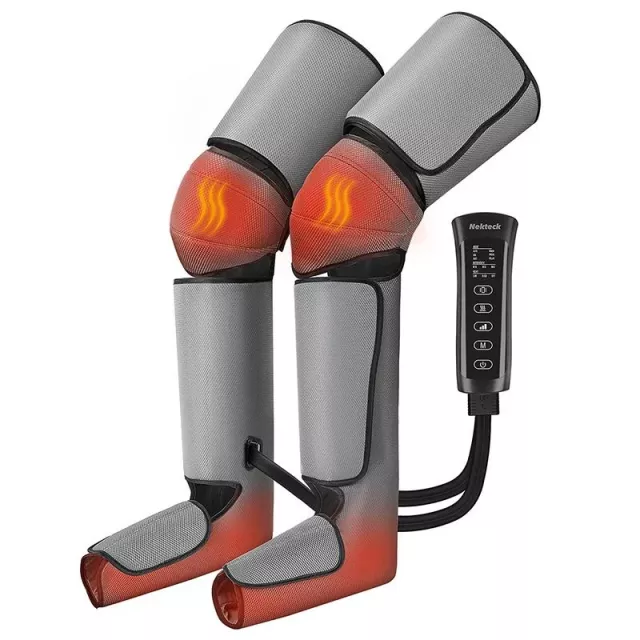
Product overview: Foot & Leg Air Compression Massager with Shiatsu and Heat Therapy
If you want an all-in-one option for at-home recovery and relaxation, the Foot & Leg Air Compression Massager with Shiatsu and Heat Therapy combines rhythmic compression, shiatsu-style massage, and optional warmth in a single device. It fits naturally into a daily routine: after work, after training, or as part of an evening reset.
Quick snapshot
| Item | Details |
|---|---|
| Product | Foot & Leg Air Compression Massager with Shiatsu and Heat Therapy |
| Price | $82.82 USD |
| Availability | In stock |
- Spring Plaid Wide Padded Headband – Chic Cotton Blend Hair Accessory
- Retro Corduroy Hair Scrunchies & Headbands – Large, Soft & Stylish
Comfort, safety, and maintenance tips
FAQ
How long should a session be for foot and leg compression massage?
Start with 10–15 minutes on low intensity for the first few sessions, then adjust based on comfort and how your legs feel afterward. Don’t push through pain, and follow the device’s usage guidance.
Can a leg compression massager be used every day?
Daily use is often fine for comfort if the intensity stays reasonable and sessions aren’t causing soreness or numbness. If you have DVT risk, vascular conditions, neuropathy, or other concerns, check with a clinician before using it regularly.
Is heat necessary, or is compression and shiatsu enough?
Heat is optional and mainly adds warming relaxation, especially when your feet feel stiff or cold. Compression and shiatsu can be effective on their own, so choose the setup that feels best for your sensitivity and time of day.















Leave a comment