Bicycle Rear Seat Bag Guide: Stable Storage for Every Ride
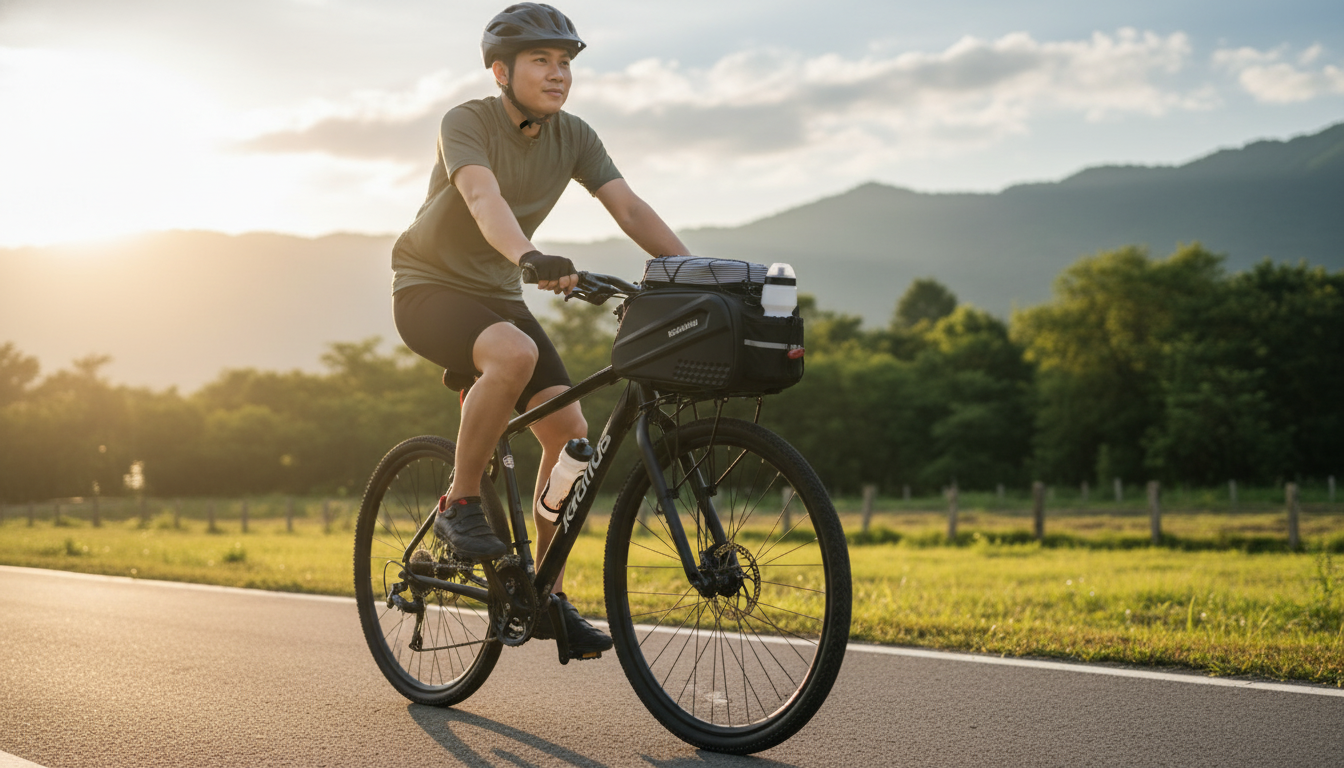
Bicycle Rear Seat Bag for Daily Rides and Weekend Miles
A rear seat bag adds practical storage without changing how a bike handles. Whether it’s a commute, errands, or a longer ride, the right bag keeps essentials secure, organized, and protected from road spray. Instead of stuffing pockets or sweating under a backpack, a well-mounted bag turns the back of your bike into a tidy “grab-and-go” space for tools, layers, and ride basics. For more guidance, see Group test: seatpost bags for bikepacking – Cycling UK.
What a Rear Seat Bag Is and When It Helps Most
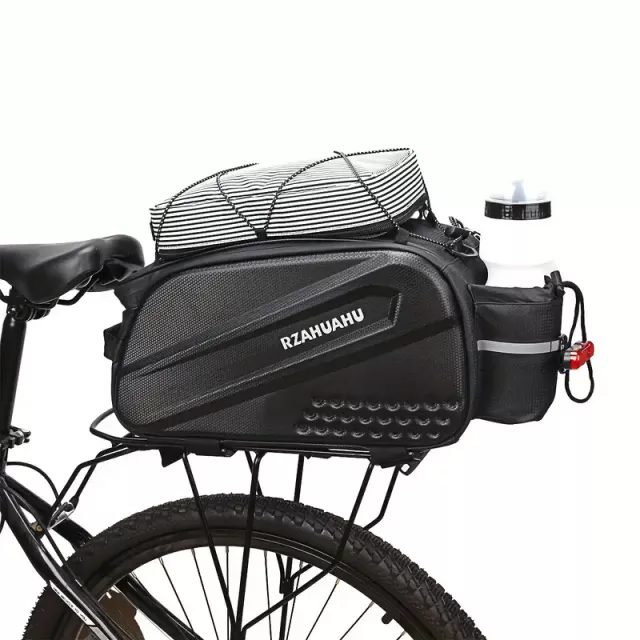
A rear seat bag is a compact storage bag that mounts behind the saddle—typically on a rear rack or the seat area—so small-to-medium essentials stay with the bike. It’s a simple upgrade that adds carrying capacity without the bulk of panniers or a full touring setup. For further reading, see 3pcs Bike Pouch Reflective Effect Large Capacity Saddle Bag for ….
- Great for commuting: carry a mini tool kit, spare tube, a lock, lights, or a light layer for chilly mornings.
- Ideal for fitness rides: stash snacks, phone, keys, and flat-fix supplies so your jersey pockets stay lighter.
- Handy for short touring or weekend miles: bring spares, a compact rain shell, and a few “just in case” items.
- Especially useful with a rear rack and fender to limit splash on wet roads and keep grime off your gear.
Key Features That Matter on the Road
Rear seat bags can look similar at a glance, but the on-road differences show up fast—especially over rough pavement, potholes, and stop-and-go riding.
Mounting Stability
Look for firm attachment points that keep the bag from swaying when you stand to climb or corner. A stable mount feels quieter and more predictable, and it helps protect zippers and seams over time.
Easy Access When Stopped
Wide zipper openings and a bit of structure (instead of a floppy sack) make it easier to grab what you need at a red light or trailhead without unloading everything.
Weather Protection
Many bags use water-resistant fabrics and covered zipper paths, which handle light rain and road mist well. For steady rain or longer storms, a rain cover—or simply putting electronics in a small dry pouch—adds peace of mind.
Reflective Details
Visibility from behind matters on early commutes and late returns. Reflective accents can complement your rear light and help drivers pick you out in low-light conditions. For broader bike safety guidance, see the CDC’s bicycle safety information: https://www.cdc.gov/transportationsafety/bicycle/index.html.
Shape and Structure
A semi-rigid body helps the bag keep its profile instead of sagging into the wheel side or rubbing on the rack. Structure also reduces “gear rattle,” since items are less likely to shift around with every bump.
Size Planning: What Fits and How to Pack It
The best packing setup is the one that keeps you rolling when something goes wrong—and keeps you comfortable when the weather changes.
Everyday Carry Essentials
- Multi-tool
- Spare tube
- CO₂ inflator or mini pump
- Tire levers and patch kit
- Small first-aid items (bandage, antiseptic wipe)
Add-Ons for Longer Rides
- Compact rain jacket or vest
- Light gloves
- Snack bars or gels
- Power bank and short cable
- Small cable lock for quick stops
Packing Tips for Better Handling
- Place heavier items low and centered to reduce side-to-side movement.
- Avoid overloading: too much weight high on the rack can make the rear feel “wobbly,” especially on climbs or rough pavement.
- Use internal pockets or small pouches so tools don’t clank and wear the bag from the inside out.
Quick packing guide for common rides
| Ride type | Typical items | Packing tip |
|---|---|---|
| Commute | Lock, lights, wallet/keys, small tools | Keep lock closest to the rack to reduce sway |
| Fitness ride | Tube, CO₂/pump, snack, phone | Use internal pockets so small items don’t rattle |
| Errands | Reusable bag, small purchases, tool kit | Leave space for return trip storage |
| Wet weather | Rain shell, fenders tools, cloth | Put electronics in a small dry pouch inside the bag |
Fit and Compatibility Checklist
A rear seat bag works best when it clears moving parts and stays stable over bumps. Before choosing a size, do a quick check of your bike’s layout.
Bicycle Rear Seat Bag: Practical Storage for Riding Light
If the goal is to keep essentials together while staying out of the way of pedaling and steering, a dedicated rear seat bag is a clean solution. The Bicycle Rear Seat Bag is a straightforward choice for commuting, errands, and weekend routes—helping keep your kit organized without needing a backpack.
- Bicycle Rear Seat Bag
- Spring Plaid Wide Padded Headband – Chic Cotton Blend Hair Accessory
- Retro Corduroy Hair Scrunchies & Headbands – Large, Soft & Stylish
At-a-glance details
| Item | Details |
|---|---|
| Product | Bicycle Rear Seat Bag |
| Price | 14.82 USD |
| Availability | In stock |
Setup, Care, and Safe Riding Tips
Staying on top of basic bike upkeep also helps your bag (and everything on the bike) last longer. For general maintenance guidance, see: https://www.britishcycling.org.uk/knowledge/article/izn20150331-Bike-maintenance-basics-0.
FAQ
Will a rear seat bag fit any bike?
Most fit bikes with a compatible rear rack or sufficient seat area, but it’s important to confirm rack width, tire clearance, and that the bag won’t interfere with braking cables or heel movement.
Is a rear seat bag waterproof?
Many rear seat bags are water-resistant rather than fully waterproof. For sustained rain, use a rain cover or place electronics in a small dry pouch inside the bag.
How much weight can a rear seat bag carry?
Capacity depends on the bag and your rack. Keep loads modest, center heavier items, and follow the rear rack’s weight rating to maintain stable handling.















Leave a comment