Adjustable Arm Sling: Fit Tips for Shoulder Recovery
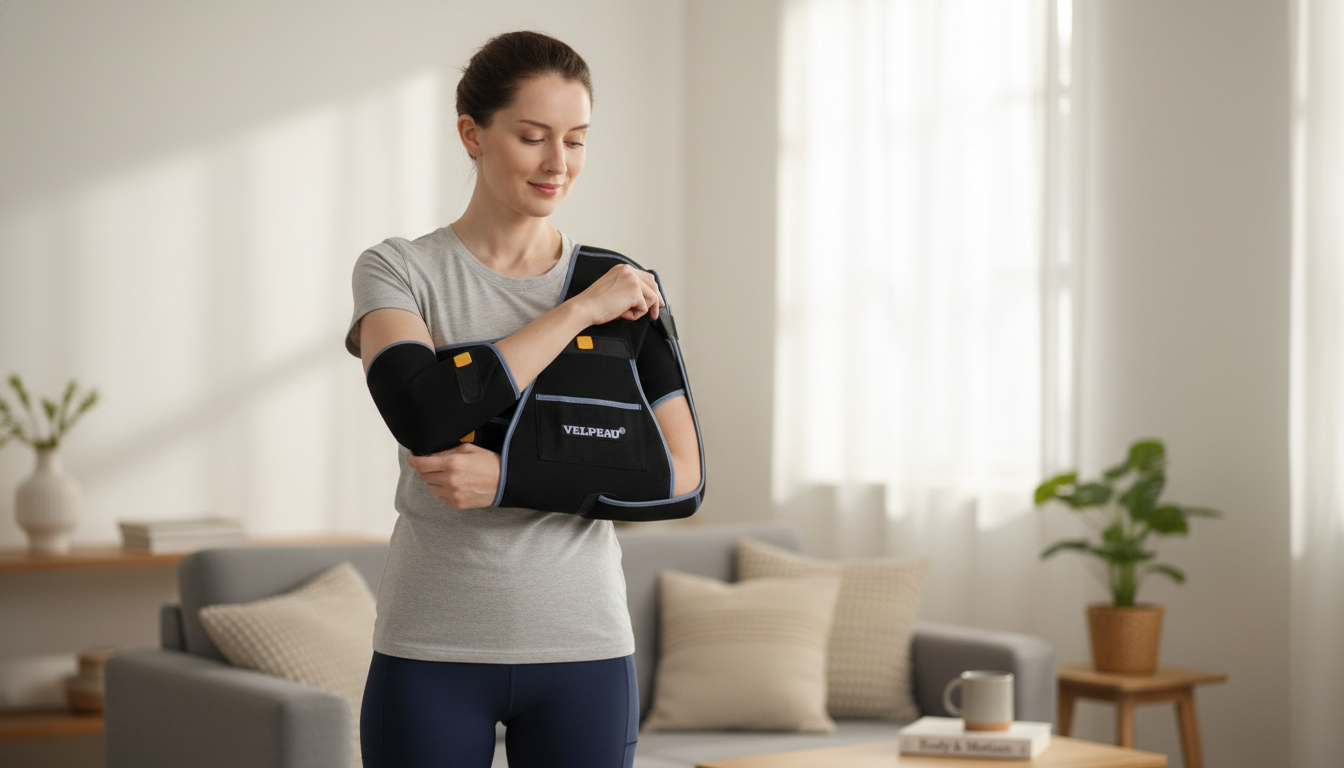
Adjustable Shoulder & Arm Support Sling for Injury Recovery
A well-fitted arm sling can reduce strain, keep the arm positioned as advised, and make daily movement more manageable during recovery. An adjustable shoulder-and-arm support design focuses on comfort, stable support, and easy fit changes throughout the day—especially as swelling and activity levels change.
Whether you’re dealing with a mild soft-tissue injury or following a clinician-guided recovery plan, the right sling should help support the forearm, reduce unwanted arm swing, and minimize pressure on the neck and shoulder. Resources like the American Academy of Orthopaedic Surgeons (AAOS), the NHS guidance on sprains and strains, and the Mayo Clinic overview of shoulder pain can help clarify when to seek medical evaluation and what symptoms should not be ignored.
When a Shoulder & Arm Sling Helps Most
- Short-term support after sprains, strains, bruising, or soft-tissue irritation (as directed by a clinician).
- Post-injury rest periods when limiting arm swing reduces discomfort and fatigue.
- Recovery phases where the goal is to keep the forearm supported and the shoulder relaxed.
- Situations where adjustable positioning is needed through the day (sitting, walking, resting).
- Important: follow medical guidance for fractures, dislocations, or post-surgical protocols, including the correct angle and duration of use.
A sling is usually most helpful when it supports the forearm without forcing the shoulder to hike upward. If pain increases, fingers become numb, or swelling worsens after putting a sling on, the fit (or the plan) may need to be rechecked by a medical professional.
Comfort and Support Features to Look For
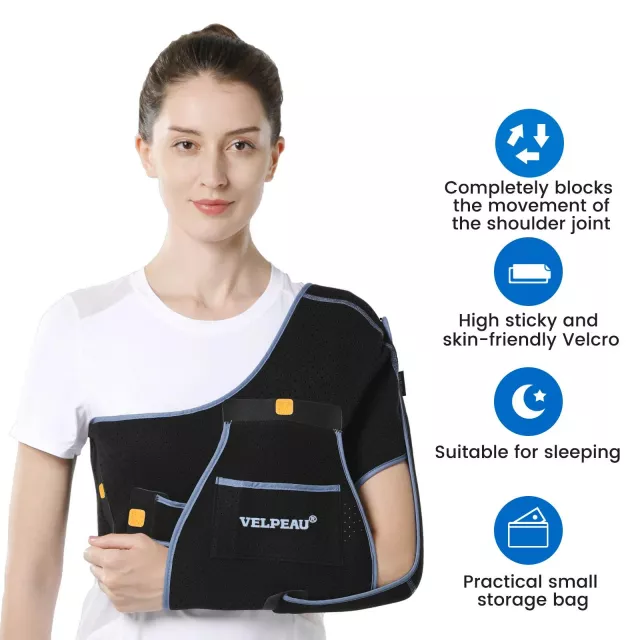
- Adjustable strap length to fine-tune forearm height and reduce neck/shoulder pressure.
- Breathable, skin-friendly materials that help limit heat buildup during longer wear.
- Padded shoulder area to improve comfort during walking or extended standing.
- A secure pocket or cradle that keeps the forearm from sliding forward.
- Easy on/off fasteners that can be managed one-handed when mobility is limited.
Quick Feature Guide for Everyday Use
| Feature | Why it matters | What to check during fitting |
|---|---|---|
| Adjustable shoulder strap | Helps keep the elbow supported without lifting the shoulder | Shoulder stays relaxed; strap doesn’t dig in |
| Forearm cradle/pouch | Keeps the wrist and forearm from drooping | Wrist feels supported; hand not forced into an awkward bend |
| Padding and soft edges | Improves comfort and reduces rubbing | No hot spots on neck, shoulder, or forearm after 10–15 minutes |
| Breathable fabric | Helps manage moisture and warmth | Skin stays comfortable; minimal sweating or itchiness |
| Secure fastening | Reduces shifting during movement | Sling stays in place when standing and walking |
Getting the Fit Right (Simple Setup Checks)
- Position the forearm so the hand is slightly elevated relative to the elbow unless instructed otherwise.
- Keep the elbow seated fully in the sling pocket to prevent sliding and wrist strain.
- Adjust the strap so the shoulder on the injured side stays down and relaxed rather than shrugged.
- Check finger circulation and comfort: fingers should remain warm and normal in color; loosen or reposition if numbness or tingling appears.
- Re-check fit after activity, swelling changes, or clothing changes (a thicker hoodie can alter positioning).
A quick self-check: stand naturally, let the supported arm rest in the sling, and take two slow breaths. If the strap pulls your neck or you feel your shoulder creeping upward, lower the forearm slightly or add padding to reduce pressure—while keeping the arm aligned with your clinician’s plan.
Daily Use Tips: Sleeping, Working, and Moving Around
- For rest: use pillows to support the arm and keep the shoulder neutral; follow clinician instructions on whether to sleep in the sling.
- For desk work: keep the sling strap comfortable and avoid leaning the elbow hard against the desk edge.
- For walking: ensure the sling is snug enough to prevent arm swing but not so tight that it pulls the neck.
- Skin care: remove the sling as permitted to check for redness or friction points; keep the area clean and dry.
- Activity pacing: gradual increases in light movement are often recommended; avoid lifting or sudden reaching unless cleared.
Care, Cleaning, and Longevity
Adjustable Shoulder & Arm Support Sling for Injury Recovery: At-a-Glance
Product Snapshot
| Detail | Value |
|---|---|
| Product | Adjustable Shoulder & Arm Support Sling for Injury Recovery |
| Price | 40.51 USD |
| Availability | In stock |
| Category | Health & Beauty |
Helpful Add-Ons for a More Comfortable Routine
- Spring Plaid Wide Padded Headband – Chic Cotton Blend Hair Accessory (helps keep hair back during hygiene, skincare, or getting dressed one-handed).
- Retro Corduroy Hair Scrunchies & Headbands – Large, Soft & Stylish (a simple way to secure hair quickly when arm mobility is limited).
FAQ
How tight should an arm sling be?
It should be snug enough that the forearm doesn’t slide forward and the arm doesn’t swing while walking, but not so tight that it causes neck strain or numbness/tingling in the hand. Check that fingers stay warm and normal in color, and follow clinician instructions for fit and positioning.
Should the hand be higher than the elbow in a sling?
Often the hand is positioned slightly higher than the elbow to help manage swelling, but the correct angle depends on the injury and the treatment plan. If you were given specific positioning instructions (especially after a fracture, dislocation, or surgery), follow those directions and ask for guidance if the position increases pain or numbness.
How long can a sling be worn each day?
Daily wear time varies widely based on diagnosis and clinician guidance. Many plans include scheduled breaks for skin checks, hygiene, and any prescribed exercises; seek medical review if you develop persistent numbness, increasing swelling, or worsening pain while using the sling.















Leave a comment