3.35″ Floating Pencil Minnow: Topwater Walker w/ Trebles
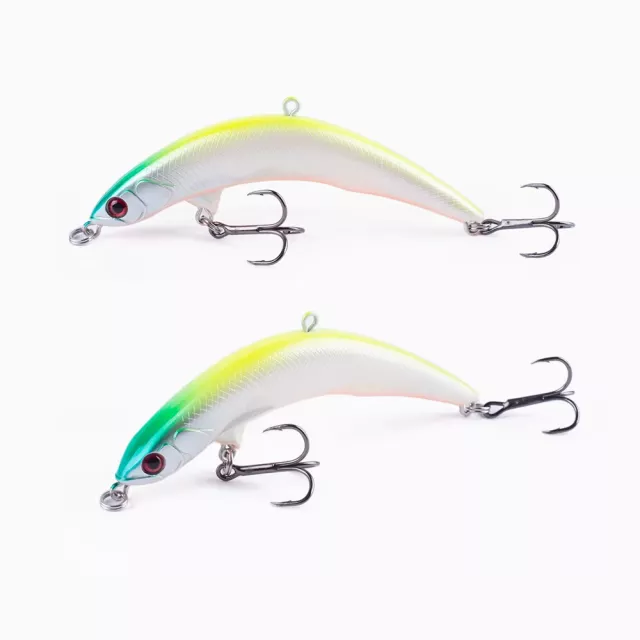
Floating 3.35in Topwater Pencil Minnow Lure with Treble Hooks
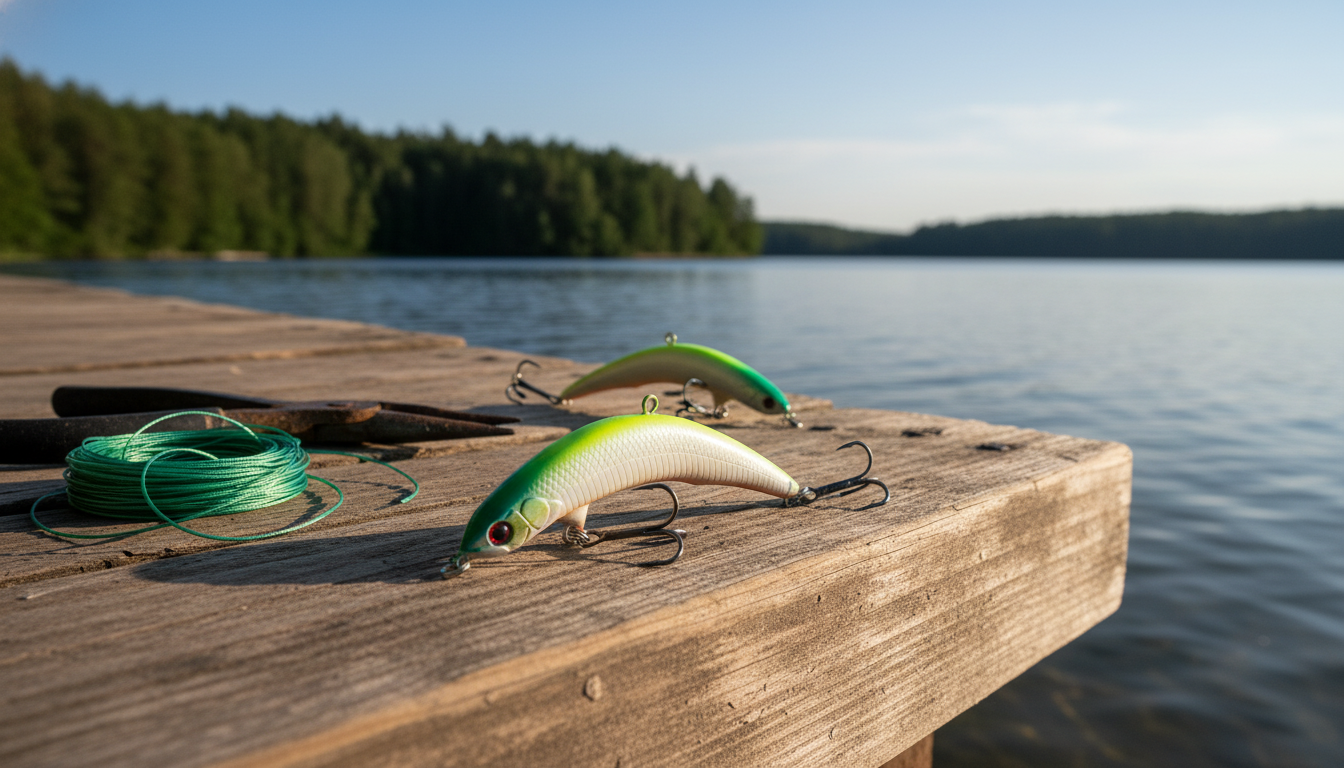
A floating pencil minnow is built for surface action—skittering, gliding, and “walking” side-to-side to draw strikes from aggressive predators. This 3.35-inch profile pairs a compact baitfish silhouette with treble hooks for confident hookups, making it a practical choice for working shallow flats, points, riprap edges, and calm pockets around cover.
What This Pencil Minnow Does Best
- Creates surface commotion without diving, helping keep the lure above grass, rocks, and shallow structure
- Supports “walk-the-dog” action with short rod-tip taps and controlled slack line
- Compact 3.35-inch size fits common forage and works when fish shy away from oversized topwater plugs
- Treble hooks improve strike-to-land ratio on short, explosive topwater hits
- Easy to fish from bank, kayak, or boat—especially along edges and transition zones
Key Specs and Quick Comparison
- Length: 3.35 in (pencil minnow profile for baitfish imitation)
- Buoyancy: floating (stays on top at rest; ideal for pause-and-go retrieves)
- Hook style: treble hooks (better coverage on slashing strikes)
- Best water depth: surface layer (topwater presentations in shallow to moderate depths)
- Good target species (varies by region): bass, pike, pickerel, stripers, inshore predators that feed up
| Feature | What it means on the water | When it helps most |
|---|---|---|
| Floating body | Rises back to the surface during pauses | Over grass lines, shallow rock, calm pockets near cover |
| Pencil minnow shape | Glides side-to-side with minimal forward travel | Working in place near schooling fish or tight strike zones |
| Treble hooks | Multiple hook points increase contact on quick strikes | When fish swipe, slap, or short-strike topwater |
| 3.35-inch size | Smaller bait profile that still shows up on top | Clear water, pressured fish, matching smaller forage |
Where and When to Throw It
- Low-light windows: dawn, dusk, overcast skies, or wind-blown shade lines
- Shallow feeding zones: flats, coves, backs of creeks, and sand/grass transitions
- Hard edges: riprap banks, seawalls, bridge corners, rocky points
- Current seams: where bait gets pushed to the surface and predators pin it
- Post-spawn and fall bait migrations: when fish are hunting near the surface
In tidal water, the same lure can feel “different” depending on current speed and direction. Checking local tide stage and current predictions before a trip helps time those surface-feeding windows—especially around points, jetties, and channel edges. NOAA’s official station forecasts are a dependable place to start: NOAA Tides & Currents.
Retrieve Styles That Trigger Strikes
- Walk-the-dog: point the rod tip down, twitch-twitch while keeping slight slack so the lure can glide.
- Steady skitter: faster, consistent taps to imitate a fleeing baitfish across open water.
- Pause-and-pop: add a short pause after 3–5 twitches; let it float still to invite a follow-up strike.
- Stop near targets: keep the lure in the strike zone longer around laydowns, docks, or grass points.
- Match mood: aggressive fish often want speed; neutral fish often respond to longer pauses.
A helpful cadence tweak when fish are slapping at the lure: shorten the “walk” into tighter zig-zags, then pause just long enough for the rings to fade. That brief stillness makes the bait look vulnerable, and the floating body keeps it right in the kill zone.
Gear Setup and Knots for Clean Action
- Rod: medium to medium-heavy with a responsive tip for crisp twitches.
- Line: braid for maximum surface control; add a leader when abrasion or visibility is a concern.
- Leader options: fluorocarbon for abrasion resistance around rock; mono for a little give on topwater hits.
- Knot/connection: a small loop knot can help maximize side-to-side swing; a snap can speed up lure changes.
- Drag and hooks: slightly loosen drag and keep steady pressure to avoid tearing hooks free during jumps.
If you’re missing fish at close range, consider a touch softer rod tip or a slightly looser drag. Trebles penetrate easily; the bigger challenge is keeping a steady bend when a fish head-shakes at the surface.
Treble Hook Handling and Fish Care
Before any trip, confirm local rules for seasons, methods, and hook regulations where you fish. A reliable reference for anglers in Florida is the state agency’s regulation hub: Florida Fish and Wildlife Conservation Commission — Freshwater Fishing Regulations.
To help prevent moving invasive species between waters, clean and dry gear after each outing—especially when hopping between lakes or river systems. The U.S. Fish & Wildlife Service provides clear guidance: U.S. Fish & Wildlife Service — Aquatic Invasive Species.
Common Mistakes to Avoid
In-Stock Picks
- Floating 3.35in Topwater Pencil Minnow Lure with Treble Hooks ($6.01)
- Crystal Moon & Star Car Vent Clips ($10.51)
- Retro Corduroy Hair Scrunchies & Headbands – Large, Soft & Stylish ($5.51)
FAQ
How is a pencil minnow different from a popper?
Pencil minnows are designed to glide and “walk” side-to-side with subtle surface disturbance, making them great for covering water or teasing fish in a tight area. Poppers have a cupped face that spits and chugs water, which can be better for calling fish up in chop or when you want a louder, target-focused presentation.
Should braid or monofilament be used for a floating topwater lure?
Braid floats and gives crisp twitch control and solid hooksets at distance, which helps walking baits track cleanly. Monofilament adds stretch that can reduce pulled hooks on explosive strikes; many anglers run braid with a short leader for abrasion resistance or lower visibility while avoiding heavy sinking lines that can dampen action.
Why do fish blow up on topwater but miss the hooks?
Many misses are short strikes or swipes, especially when the lure is moving too fast or the hookset happens before the fish turns down with it. Wait to feel weight, then sweep, and try slowing the cadence or adding a brief pause after the splash to give fish a second chance to connect.















Leave a comment