Hybrid ANC Wireless Over-Ear Headset With AI Mic
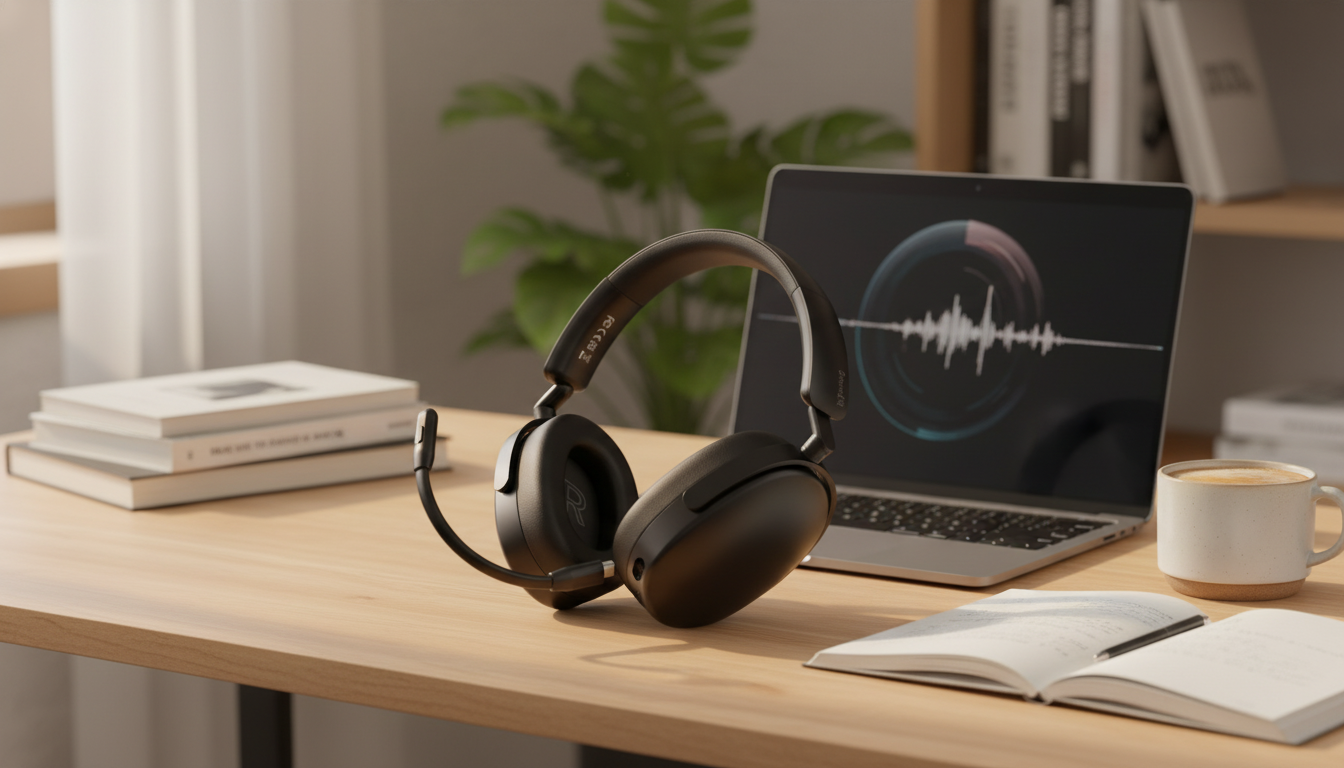
Wireless Over-Ear Headset with Hybrid ANC and AI Noise-Reducing Microphone
A good over-ear headset should do two things exceptionally well: keep distractions out and keep the user’s voice clear. This wireless model combines hybrid active noise cancellation for listening with an AI noise-reducing microphone for calls, making it a practical pick for commuting, shared workspaces, online classes, and gaming chat where background noise can quickly become a problem.
What hybrid ANC changes in everyday listening
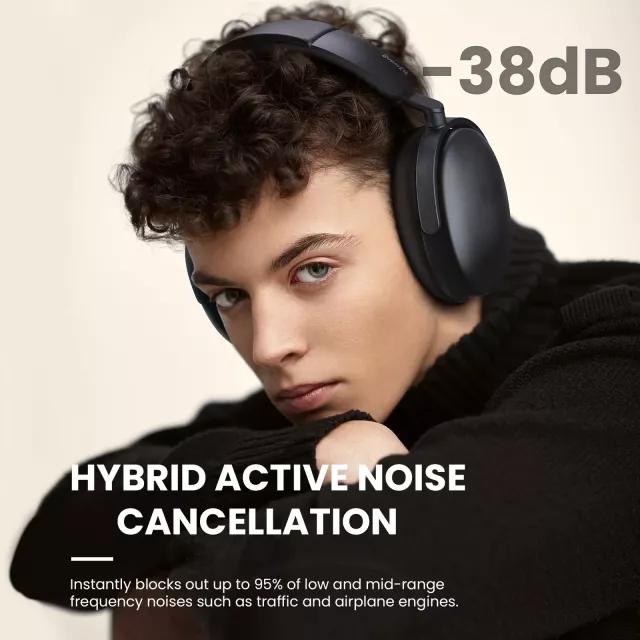
Hybrid active noise cancellation (ANC) generally relies on more than one microphone path to detect and reduce noise. In everyday use, that often translates to stronger reduction of steady, low-frequency sounds like engines, HVAC, and the general “hum” of open offices—plus better handling of variable ambient noise such as café chatter.
Over-ear earcups add another layer: passive isolation. By sealing around the ear, they reduce how much outside sound reaches the drivers in the first place. ANC then works on top of that seal, which can help lower listening fatigue during long sessions because audio doesn’t need to be turned up as high to stay intelligible.
Fit is a bigger deal than many people expect. A consistent seal around the ear usually improves both bass response and the effectiveness of noise cancellation. If one side is slightly broken by hair, glasses frames, or a tilted headband, the headset may sound thinner and let more noise through.
ANC is typically most noticeable in continuous environments—transportation, fans, office air systems. Sudden sharp noises (a dropped mug, a quick shout) are often reduced only partially rather than eliminated, which is normal for the way ANC works.
AI noise-reducing microphone for clearer calls
An AI noise-reducing microphone is designed to prioritize the speaker’s voice while suppressing common background sounds. That can make a noticeable difference if calls happen near a keyboard, in a shared room, or outside where wind and traffic can otherwise overwhelm speech.
Noise reduction is especially useful on conference calls where a clean signal prevents the “Can you repeat that?” loop. Even small improvements in vocal clarity can make meetings move faster and feel less stressful—particularly when multiple people are speaking and taking turns.
Positioning matters. Keeping the headset stable and speaking at a normal volume helps the processing “lock on” to the voice. If the headset shifts constantly, or if the user whispers then suddenly raises volume, the microphone processing may sound less consistent to listeners.
If the noise reduction happens in-device (rather than only inside a specific app), it can help across different uses—calls, meetings, voice notes—without extra setup. Pair the headset normally, select it as the input device, and the benefit carries over wherever that input is used.
Comfort and fit for long sessions
Over-ear designs can feel more comfortable than on-ear options for extended wear because pressure is distributed around the ear rather than directly on it. That’s helpful for long workdays, study blocks, and gaming sessions where discomfort builds gradually.
Soft padding and a headband that spreads weight evenly can reduce “hotspots” at the top of the head. A secure-but-not-tight fit tends to be the sweet spot: tight enough to keep the seal consistent for ANC, but not so tight that it creates jaw or temple pressure.
Wireless performance that matters day to day
Quick feature overview
| Feature | Why it helps | What to check when using it |
|---|---|---|
| Hybrid active noise cancellation | Reduces background noise for focus and lower listening fatigue | Ensure a full seal around the ear; test in a steady-noise environment (fan, traffic) |
| AI noise-reducing microphone | Helps others hear the voice clearly in noisy places | Try a short call recording near common noise sources (keyboard, café, street) |
| Over-ear closed fit | Adds passive isolation and fuller perceived bass | Confirm earcups fully surround the ear without pinching |
| Wireless connectivity | Freedom of movement for calls, commuting, and desk work | Check stability at typical distance and through common obstacles (walls, backpack) |
| On-head controls | Faster call handling and volume changes | Verify mute/call controls are easy to find without looking |
Best use cases
Commuting and travel: Hybrid ANC can reduce engine and cabin noise so audio stays clear at lower volumes. Listening at safer levels is an important habit for long-term hearing health; practical guidance is available from NIOSH’s Noise and Hearing Loss Prevention resources.
Care tips to keep performance consistent
For wireless compatibility basics, the Bluetooth Core Specification offers a reliable reference point for how Bluetooth devices are designed to connect and communicate.
Product picks (in stock)
- Wireless Over-Ear Headset with Hybrid ANC and AI Noise-Reducing Microphone
- Spring Plaid Wide Padded Headband – Chic Cotton Blend Hair Accessory
- Retro Corduroy Hair Scrunchies & Headbands – Large, Soft & Stylish
Product page
Wireless Over-Ear Headset with Hybrid ANC and AI Noise-Reducing Microphone (in stock): pricing, images, and purchase details are available on the product page.
FAQ
Does hybrid ANC block all noise completely?
No. Hybrid ANC can significantly reduce steady, low-frequency noise, but sudden or high-frequency sounds are often reduced less, and the quality of the earcup seal plays a major role in results.
Will the AI noise-reducing microphone remove background noise for the person on the other end?
It typically prioritizes the speaker’s voice and suppresses common background sounds, which improves intelligibility. Extremely loud noises or sounds very close to the microphone can still come through to some degree.
Is an over-ear headset better than earbuds for long calls?
Often, yes—over-ear designs spread pressure around the ear, can feel more stable, and add passive isolation that helps keep call volume comfortable. The main trade-off is potential heat build-up, which varies by fit and environment.















Leave a comment