Plaid Jacquard Cotton Towels: Soft, Absorbent Set
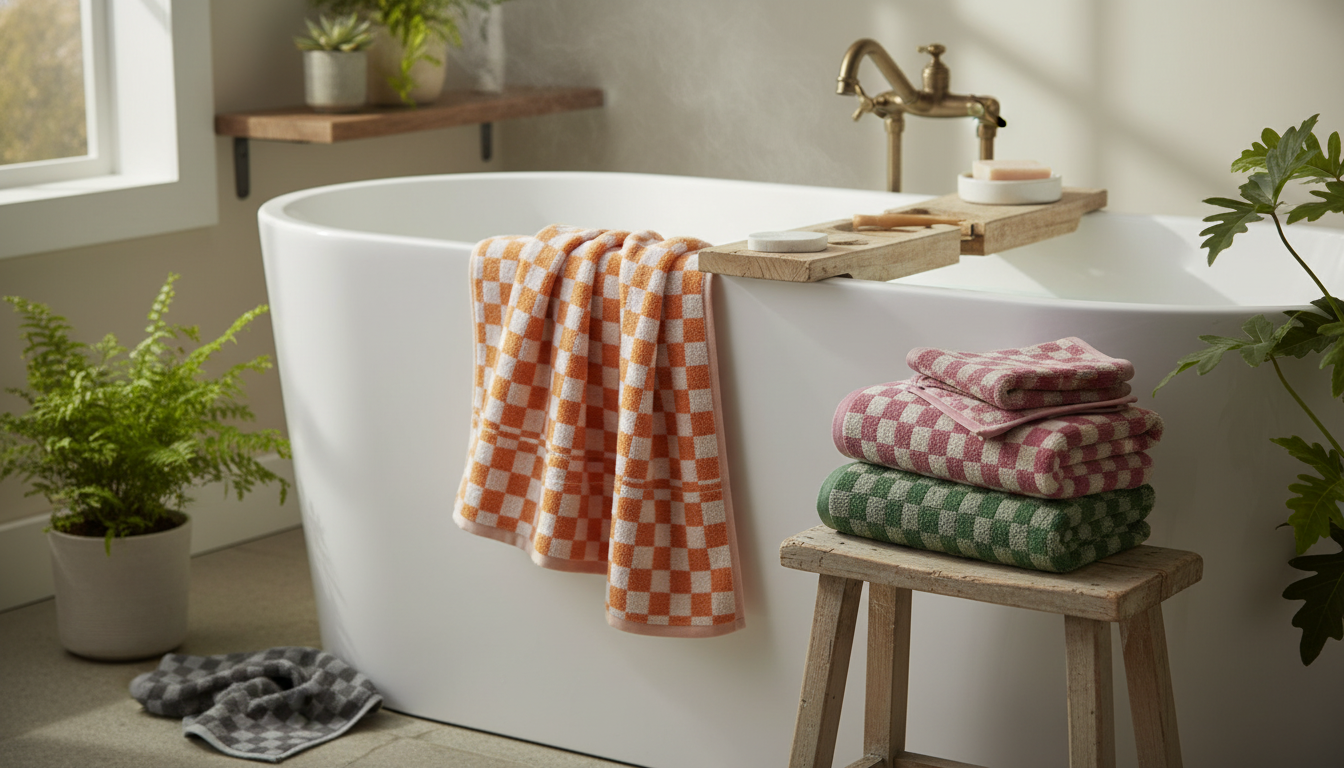
A good towel should feel gentle on skin, soak up water quickly, and still look polished on a rack. This plaid cotton jacquard towel set balances softness and absorbency with a textured woven pattern that elevates daily routines—whether it’s for a quick face wash, post-shower dry-off, or keeping a guest bathroom ready.
What Makes a Jacquard Cotton Towel Feel Different
Jacquard refers to a weaving method that creates patterns directly in the fabric. Instead of relying on surface printing alone, the design is built into the weave, which is why jacquard towels tend to look richer and feel more dimensional in hand.
- Jacquard weaving creates a raised, patterned texture that adds visual depth without relying on printed dyes alone.
- Textured surfaces can improve grip and make towels feel more substantial in hand.
- Cotton jacquard towels often combine a decorative face with a practical, absorbent base for everyday use.
If you like towels that don’t feel “flat,” a jacquard weave is a simple upgrade—especially in a bathroom where towels are always visible.
Softness and Absorbency: What to Expect in Daily Use
Comfort and performance come down to how the cotton is constructed and how the towel is cared for over time. With jacquard towels, the woven structure adds texture, while the cotton loops do the heavy lifting when it comes to drying.
- Soft cotton loops and a woven jacquard structure can provide a comfortable feel for face and body.
- Absorbency improves after a few washes as finishes rinse out and fibers “bloom.”
- For sensitive skin, gentler drying (patting instead of rubbing) helps maintain softness and reduces irritation.
- If towels are used for both face and body, keeping separate towels reduces product buildup and keeps fabric fresher.
Everyday performance checklist
| Use case | What to look for | Helpful habit |
|---|---|---|
| Face drying | Soft hand-feel, low lint | Use a dedicated face towel; wash frequently |
| Bath/shower | Quick water uptake | Shake out before hanging to dry fully |
| Guest bathroom | Pattern that looks tidy on display | Rotate sets to keep them looking new |
| Gym/travel | Comfort without scratchiness | Air-dry promptly to avoid musty odors |
Plaid Pattern Styling for Bathrooms
Plaid is a classic for a reason: it adds structure and warmth without feeling overly trendy. In a bathroom, that can make the space feel more “finished,” even if everything else is simple and neutral.
- Plaid works as a classic accent that pairs well with white, neutral, or wood-toned bathrooms.
- Jacquard texture adds interest even when towels are folded, stacked, or hung.
- For a coordinated look, match towels with a simple bath mat and keep countertop accessories minimal to let the pattern stand out.
To keep the look calm, pick one standout textile (like plaid towels) and let everything else stay understated—clear soap dispensers, minimal trays, and a single plant or candle.
Care Tips to Keep Towels Plush and Fresh
Most towels feel better after the first few washes, but the way you wash and dry them can make a bigger difference than many people expect. Over time, detergent residue and product oils can reduce absorbency, and poor drying can lead to lingering odors.
- Wash before first use to remove finishing residues and improve absorbency.
- Use a mild detergent; too much detergent can leave buildup that reduces absorbency over time.
- Skip fabric softener when possible—softeners can coat fibers and make towels feel less absorbent.
- Dry thoroughly between uses; good airflow helps prevent mildew smells.
- Wash similar colors together and avoid overcrowding the washer for a better rinse.
Simple care guide
| Step | Recommended approach | Why it helps |
|---|---|---|
| First wash | Cold or warm cycle, normal detergent | Boosts absorbency and reduces linting |
| Detergent | Use the measured amount | Prevents residue that can dull softness |
| Softener | Avoid or use sparingly | Maintains towel absorbency |
| Drying | Tumble dry low to medium or line dry with airflow | Reduces stiffness and musty odors |
| Refresh | Occasional extra rinse | Helps remove trapped detergent and oils |
For label-specific instructions (especially important for blends and special weaves), follow the item’s care label guidance, as outlined by the FTC Care Labeling Rule. For more laundry best practices, the American Cleaning Institute’s laundry basics is a reliable reference.
A Practical Set for Home, Guests, and Gifting
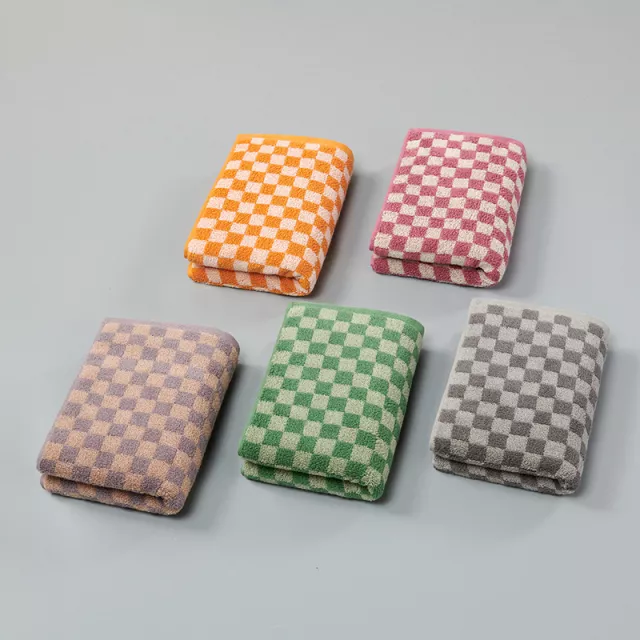
A coordinated towel set simplifies the everyday: fewer mismatched pieces, easier rotation, and a cleaner look on hooks and towel bars. It’s also the kind of home essential that makes a thoughtful gift—practical, attractive, and immediately useful.
- A coordinated towel set makes it easy to keep bathrooms looking consistent without mixing mismatched pieces.
- Plaid jacquard towels suit everyday household use and also work well for housewarming or dorm essentials.
- Keeping an extra set on hand simplifies quick turnarounds for guests or busy family schedules.
Shop the look: everyday-ready essentials
- Plaid Cotton Jacquard Towel Set Soft Absorbent Face & Bath Towels — a simple refresh for daily face and bath routines.
- Spring Plaid Wide Padded Headband – Chic Cotton Blend Hair Accessory — handy for skincare, makeup, or keeping hair back after a shower.
- Retro Corduroy Hair Scrunchies & Headbands – Large, Soft & Stylish — an easy add-on for getting ready without tugging or creasing hair.
FAQ
Do jacquard towels absorb well, or are they mainly decorative?
Jacquard describes the weave and pattern, not whether a towel absorbs. Many cotton jacquard towels are made to be both decorative and functional, and absorbency often improves after the first few washes as the fibers relax and “bloom.”
Should fabric softener be used on cotton towels?
Fabric softener can reduce absorbency over time by coating towel fibers. To keep towels feeling soft, use the correct amount of detergent, consider an extra rinse, and dry thoroughly with good airflow.
How often should face towels be washed?
Wash face towels frequently—every 2–3 uses, or daily if you have acne-prone or sensitive skin. Keeping face towels separate from body towels also helps reduce product buildup and keeps the fabric fresher.














Leave a comment