3-Pack High-Absorbency Mop Pads for Wet & Dry Floors
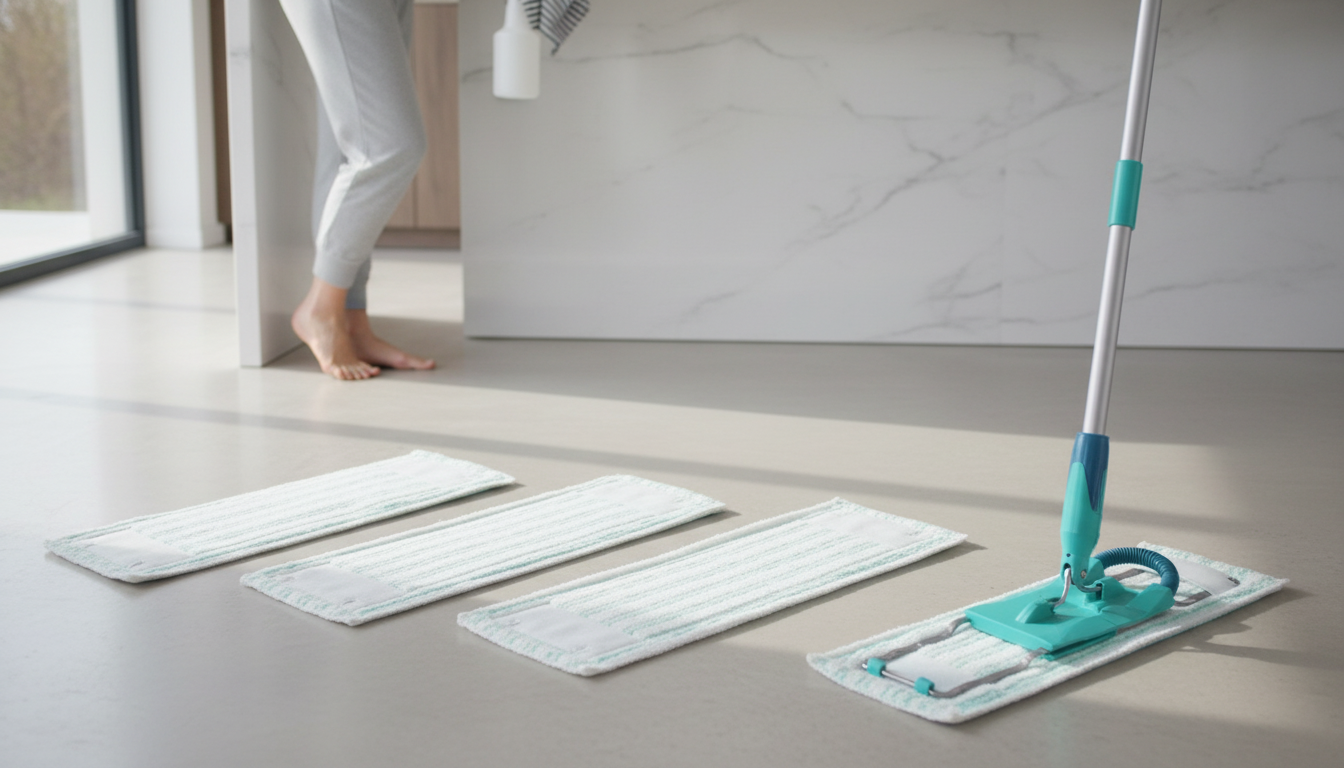
3-Pack High-Absorbency Floor Mop Pads for Wet & Dry Cleaning
High-absorbency mop pads make everyday floor care faster by lifting dust in dry mode and soaking up spills in wet mode—without leaving streaks behind. A multi-pack helps rotate pads between rooms and wash cycles, keeping floors consistently clean while reducing waste from disposable alternatives.
What Makes a Mop Pad “High-Absorbency”
Not all reusable mop pads behave the same once they hit real-life messes. “High-absorbency” typically comes down to how much liquid the pad can hold, how well it releases moisture across the floor, and how effectively it traps debris instead of pushing it around.
- Dense, multi-layer fabric: More material means more capacity—so the pad holds more water and cleaner per pass, helping reduce refills and extra trips to the sink.
- Fibers that grab fine particles: In dry use, the right fiber structure catches dust, hair, and crumbs so grit doesn’t get redistributed across the room.
- Even moisture release: A pad that dampens the floor consistently helps prevent puddling that can lead to streaks on tile, vinyl, and sealed wood.
- Edge-to-edge contact: Pads that maintain full contact along the mop head clean more evenly and help reach near baseboards and into corners when paired with a compatible flat mop.
For homes with pets, kids, or busy entryways, absorbency matters because it shortens cleanup time while making floors look freshly finished—without repeated passes.
Wet Cleaning vs. Dry Cleaning: When to Use Each
Using the same pad in two different ways—dry for pickup and damp for polishing—keeps floors cleaner between deeper cleanings. The trick is matching the method to the mess and the floor material.
- Dry cleaning: Ideal for daily maintenance—captures dust, pet hair, and gritty particles that can scratch floors when left underfoot.
- Wet cleaning: Best for sticky spots, kitchen splashes, bathroom residue, and high-traffic footprints.
- Two-step routine: Dry first to remove loose debris, then damp mop to finish. This reduces muddy buildup on the pad and helps prevent streaking.
- Spot cleaning option: Lightly dampen only the leading edge of the pad to pick up a small spill without soaking the entire floor.
Quick Guide to Using Mop Pads on Common Floors
| Floor type | Dry pass | Wet pass | Notes |
|---|---|---|---|
| Tile & grout (sealed) | Daily/weekly | Weekly or as needed | Avoid overly wet pads to limit residue in grout lines |
| Vinyl/LVP | Daily/weekly | Weekly | Use a damp pad; excessive water can seep at edges |
| Laminate | As needed | Light damp only | Keep moisture minimal and dry the floor quickly |
| Sealed hardwood | As needed | Light damp only | Follow finish manufacturer guidance; never leave standing water |
For general cleaning guidance and safer product choices, resources from the CDC and the U.S. EPA Safer Choice program can help shape a routine that fits your home.
Where a 3-Pack Helps Most
A single pad can handle a quick pass, but multi-room cleanups and everyday life tend to demand a rotation. A 3-pack is a practical sweet spot: enough to stay ahead of laundry without overbuying.
- Rotation during deep cleans: Swap to a fresh pad mid-session so you don’t re-deposit grime—especially in kitchens and entryways.
- Room-by-room hygiene: Assign separate pads for kitchen, bathroom, and general living areas to keep dirt (and cleaning residues) from traveling across the house.
- Faster turnaround: One pad in use, one in the wash, one ready. This is especially helpful for households with pets and frequent spills.
- Emergency readiness: Keeping a clean spare means muddy paw prints, toppled drinks, and surprise guests are easier to handle on the spot.
How to Use Mop Pads for Better Pickup and Fewer Streaks
Streak-free results usually come from controlling grit and moisture. Too much debris turns damp mopping into a smear, and too much water slows drying and leaves trails.
If disinfecting is part of your routine, follow label directions carefully and allow proper contact time, as outlined in guidance from the Mayo Clinic.
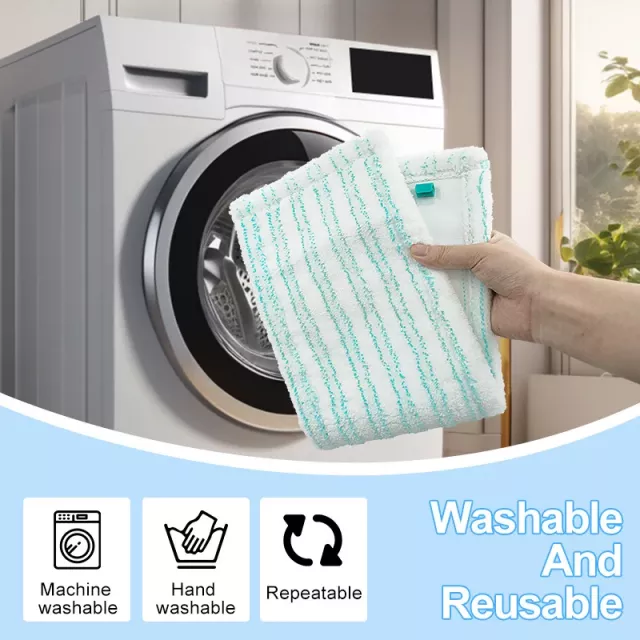
Care and Washing Tips to Extend Pad Life
Product Snapshot: 3-Pack High-Absorbency Floor Mop Pads
For a simple upgrade to everyday floor care, the 3-Pack High-Absorbency Floor Mop Pads for Wet & Dry Cleaning is built for both quick dry pickup and damp mopping. The multi-pack format supports cleaner results during longer sessions because it’s easy to switch pads as you move from room to room.
At-a-Glance Details
| Item | Details |
|---|---|
| Product | 3-Pack High-Absorbency Floor Mop Pads for Wet & Dry Cleaning |
| Price | 24.97 USD |
| Availability | In stock |
| MPN | 8640 |
| SKU | 14:173;183:200008953 |
More In-Stock Picks
- Crystal Moon & Star Car Vent Clips
- Spring Plaid Wide Padded Headband – Chic Cotton Blend Hair Accessory
- Retro Corduroy Hair Scrunchies & Headbands – Large, Soft & Stylish
FAQ
Can the same mop pad be used for both dry dusting and wet mopping?
Yes—use it dry first to capture dust and hair, then lightly dampen (or swap to a fresh pad) for wet cleaning. Switching to a clean pad helps prevent gritty debris from spreading or scratching the floor.
How wet should a mop pad be for streak-free floors?
Aim for lightly damp rather than dripping. Excess water can leave trails and slow drying, especially on laminate and sealed wood.
How often should mop pads be washed or replaced?
Wash after each wet clean or whenever the pad looks visibly dirty. Replace when fibers stay flattened after washing or when absorbency and pickup performance noticeably decline.















Leave a comment