Solo Travel Safety Made Simple: Plans, Habits & Checklist
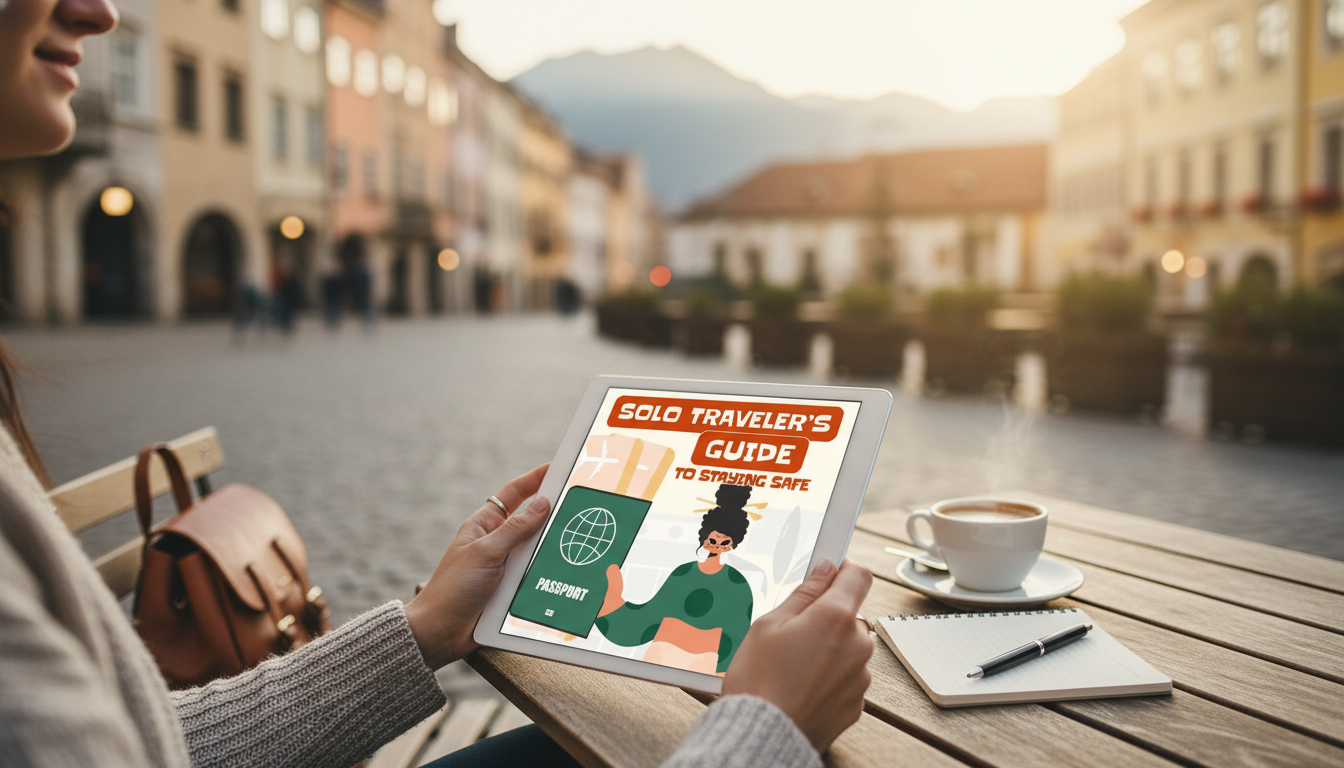
Solo travel safety that feels simple (because it is)
Solo travel can feel empowering and uncomplicated—when the basics are handled early. A solid safety plan reduces surprises, helps decisions stay clear under stress, and keeps everyday moments (checking in, moving around, meeting people) comfortably within your control. The goal isn’t to travel scared; it’s to travel prepared enough that your default choices are already good ones.
Start With a Simple Safety Baseline
Before you buy tickets or lock in a multi-city route, set a baseline that matches how you actually travel. When your expectations are clear, your decisions get faster and cleaner.
- Choose visitor-friendly areas: Favor destinations and neighborhoods with reliable transit, walkable blocks, and active accommodation zones where staff and other travelers are around.
- Set non-negotiables: Decide your arrival time windows, acceptable transit options (official taxi stand vs. street hail), and a realistic “risk ceiling” for late-night walks, isolated hikes, or bar-hopping alone.
- Share a lightweight itinerary: Give a trusted contact your flight numbers, lodging addresses, and a check-in schedule that makes sense across time zones.
- Build a “two ways out” habit: In any situation, know (1) how you leave and (2) how you get help—exit routes, local emergency number, and the nearest staffed location.
Before You Go: Booking, Documents, and Backups
Many solo-travel problems start before you ever land—usually when documents, arrival timing, or access details are fuzzy. Tighten those up early and you remove a huge portion of avoidable stress.
- Book the first night smartly: Choose a place with 24/7 check-in or crystal-clear late-arrival instructions. Avoid the “locked door, no plan” scenario.
- Keep digital and physical backups: Store passport/ID, visas, insurance, reservations, and emergency contacts offline and print a minimal set.
- Use payment redundancy: Carry at least two payment methods in separate places. Enable travel notices or location-based card controls where needed.
- Confirm medical coverage details: Know what your policy covers (including evacuation) and identify the nearest reputable clinic or hospital to your accommodation—not just the city center.
Pre-Trip Security Planning Checklist
| Task | Why it matters | Quick standard |
|---|---|---|
| Save local emergency number + embassy/consulate details | Speeds up response when time matters | Stored in phone + written on a card |
| Create document backups (offline) | Reduces disruption after loss/theft | Encrypted copy + printed set |
| Plan arrival route (airport/station to lodging) | Avoids high-friction decisions while tired | Primary route + backup route |
| Set check-in protocol with a trusted contact | Adds accountability without constant messaging | One daily check-in + escalation plan |
| Confirm accommodation entry + front desk hours | Prevents being stranded late | 24/7 access or verified instructions |
Street Smarts That Don’t Ruin the Fun
Good street smarts are less about suspicion and more about protecting your “attention bandwidth” so you notice what matters at the right moments.
- Turn up awareness during transitions: Arrivals, cash withdrawals, boarding transit, and walking at night are when distraction costs the most.
- Keep valuables low-display: Avoid setting your phone on café tables; keep cameras and wallets out of sight when not in use.
- Use the “pause before yes” rule: For invitations, rides, and offers, take a beat to verify. Legitimate help holds up when you ask a clarifying question.
- Choose meetups that are easy to exit: Public, staffed, well-lit places are ideal. Prefer daytime first meetings and share the plan with someone you trust.
- Trust early discomfort: Leaving politely and quickly is a skill. You don’t owe anyone a long explanation.
Transportation and Arrival Safety (Where Problems Spike)
Arrivals are high-risk because you’re tired, carrying luggage, and making fast decisions in unfamiliar surroundings. A few guardrails make a big difference.
Digital Safety: Keep Accounts, Devices, and Location Under Control
If Something Goes Wrong: A Calm, Repeatable Response
For destination-specific advisories and updates, review official guidance from the U.S. Department of State, health recommendations from the CDC Travelers’ Health, and broader updates via the WHO Travel Advice.
A Printable Companion for the Road
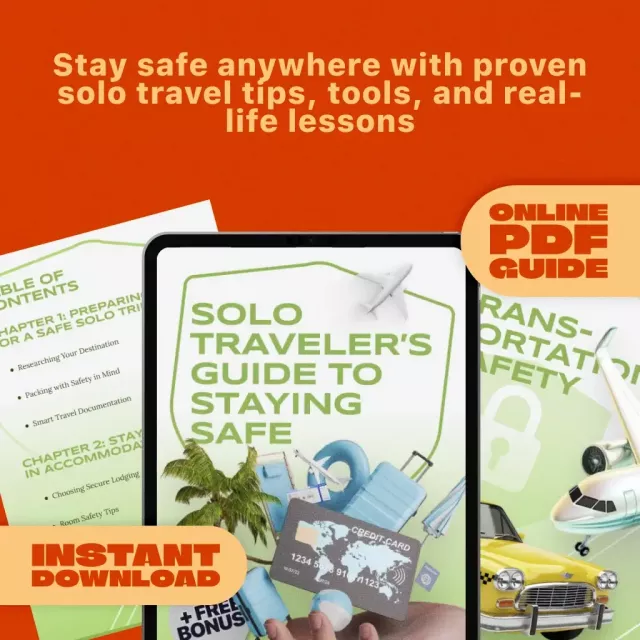
If you want a ready-to-use option, Solo Traveler’s Guide to Staying Safe | Guide | Digital Download PDF eBook | Solo Travel Safety Tips & Checklist | Travel Security Planning combines planning prompts with a practical, use-anywhere checklist you can save to your phone or print.
For low-fuss travel days, small personal accessories can help you feel put-together without extra effort—like the Spring Plaid Wide Padded Headband – Chic Cotton Blend Hair Accessory or Retro Corduroy Hair Scrunchies & Headbands – Large, Soft & Stylish (easy to pack, easy to wear, and one less “where did I put that?” moment when you’re on the move).
FAQ
What’s the single most important safety step for solo travel?
Plan your first 24 hours in detail: how you’ll get from arrival to your lodging, how you’ll access the property, who you’ll contact in an emergency, and when you’ll check in with someone you trust. Transitions are when fatigue and unfamiliarity make small problems escalate fast.
How can solo travelers stay safe without feeling constantly on edge?
Rely on a few consistent habits—verified transportation, extra attention during arrivals, controlled sharing on social media, and solid backups—until they become automatic. Routine creates calm because you’re not reinventing decisions under pressure.
What should be in a solo travel safety checklist?
Include document and reservation backups, emergency numbers, payment redundancy, accommodation entry details, arrival/transport plans, device security steps, key health information, and a short incident-response plan for theft, harassment, or medical issues.














Leave a comment