3-Channel Dash Cam: GPS, Wi‑Fi, Sony Sensor Guide
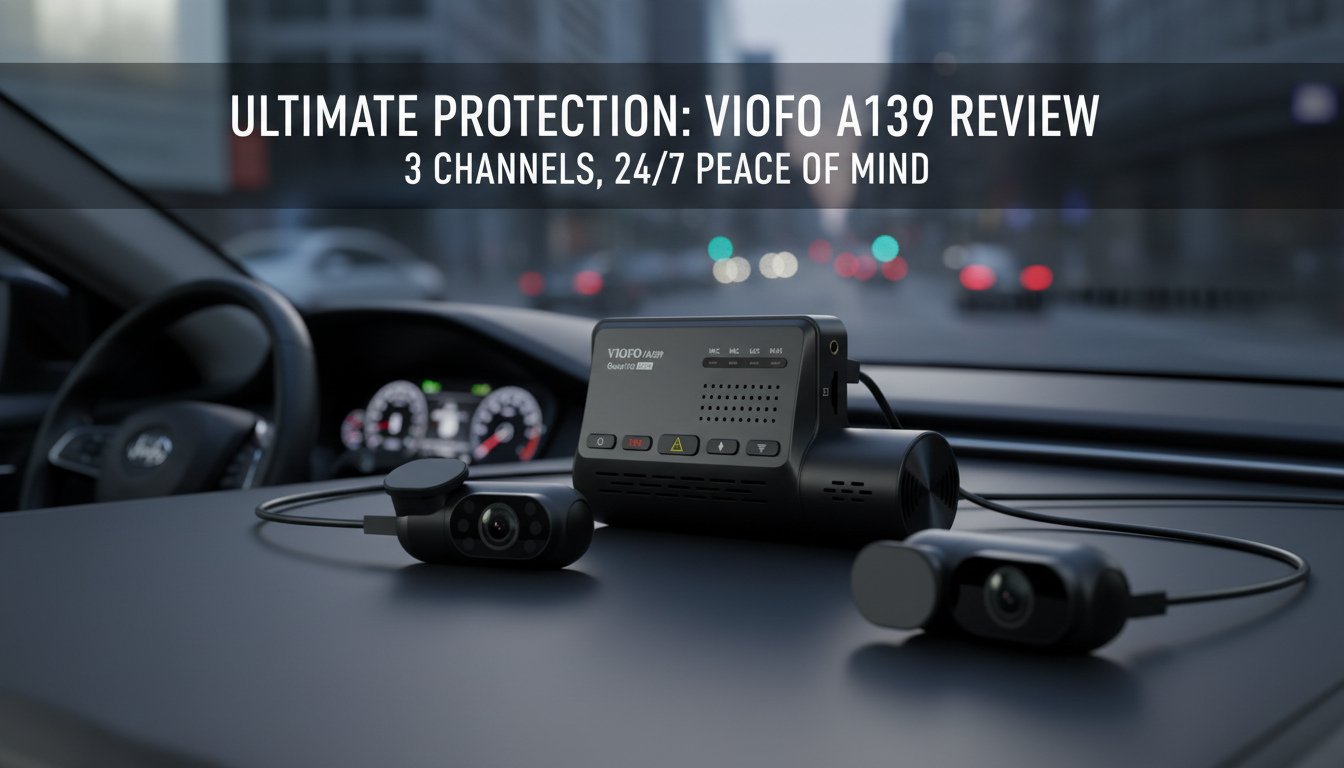
3-Channel Dash Cam with GPS, Wi‑Fi & Sony Sensor: Wider Coverage for Everyday Driving
A 3-channel dash cam records more than just the road ahead—adding rear and interior coverage for clearer context in everyday driving, rideshare work, and overnight parking. This model pairs three-camera coverage with built-in GPS for location/speed data, Wi‑Fi for quick phone transfers, and a Sony image sensor for improved clarity in challenging lighting. If you’re comparing options, start with the essentials and then verify the details that affect real-world usability.
What 3-Channel Coverage Captures (Front, Rear, Interior)
Single-lens dash cams can miss key context, especially when the point of impact isn’t directly in front of the vehicle. A 3-channel setup helps fill those gaps by recording three angles at once:
- Front view helps document lane position, traffic signals, and vehicles ahead.
- Rear view adds evidence for tailgating, rear-end collisions, and parking-lot impacts behind the vehicle.
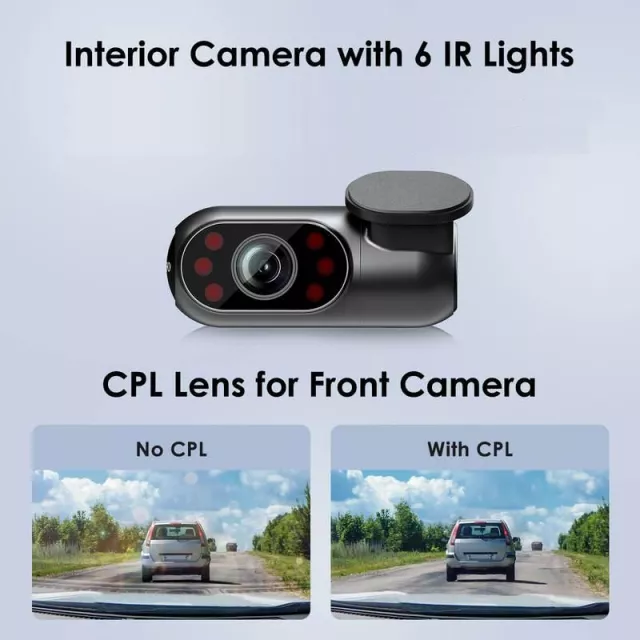
- Interior view can capture cabin activity, useful for rideshare drivers, carpool situations, and break-in attempts through side windows.
- Three angles can reduce blind spots compared with single- or dual-camera setups, especially in disputes where direction of impact matters.
For rideshare and delivery drivers, the interior camera can be the difference between a vague story and clear documentation. For commuters, the rear camera is often the most underrated—rear-end incidents are common, and being able to show the moments leading up to impact matters.
GPS + Wi‑Fi: Practical Benefits in Real Use
Two features that change day-to-day ownership are GPS and Wi‑Fi. They don’t just look good on a spec list—they help make footage more actionable when something happens.
GPS for timeline and location context
- GPS tagging can add route location and speed data to video files for easier timeline reconstruction after an incident.
- Accuracy depends on setup: GPS data is most useful when time and date are accurate; set time zone and confirm satellite lock during initial setup.
GPS is also handy when you’re trying to match a clip to a particular intersection or stretch of road, or when an insurance discussion comes down to where and when an event occurred.
Wi‑Fi for fast access (not cloud storage)
- Wi‑Fi can simplify reviewing clips on a phone without removing the memory card, especially right after a close call.
- Short-range connection: Wi‑Fi is typically for a local connection to a companion app; it is not the same as cloud backup or cellular upload unless explicitly stated by the manufacturer.
This distinction matters: Wi‑Fi makes sharing easier when you’re roadside and need a clip quickly, but it doesn’t automatically protect footage if the camera or card is damaged. When cloud upload is important, look for explicit LTE/cellular support rather than assuming Wi‑Fi covers it.
Sony Image Sensor: Why It Matters for Dash Cam Footage
Dash cams often struggle at night: headlight glare, deep shadows, and fast-changing exposure can wash out the details you actually need. A Sony image sensor is commonly chosen for improved low-light performance and reduced noise compared with generic sensors, which can help with night driving and dim parking areas.
For a deeper look at how modern sensors are designed to handle contrast and sensitivity, Sony’s overview of image sensor technology is a helpful reference: https://www.sony-semicon.com/en/technology/.
Key Specs and What to Verify Before Buying
At-a-Glance Checklist
| Item to check | Why it matters | Notes to confirm |
|---|---|---|
| Three-camera views | Improves coverage for incidents from multiple angles | Front/rear/interior roles and mounting positions |
| Built-in GPS | Adds location and speed to footage | Satellite lock time and time zone settings |
| Wi‑Fi connectivity | Faster review and sharing to phone | App compatibility and download speed |
| Sony image sensor | Better clarity in tough lighting | Night performance and glare handling |
| microSD requirements | Prevents recording gaps and corrupted files | Supported capacity + recommended card class |
For microSD selection details, the SD Association’s guidance on speed classes is a reliable starting point: https://www.sdcard.org/developers/sd-standard-overview/speed-class/.
Installation Tips for Cleaner Footage and Fewer Headaches
For general vehicle safety context and how technology can support safer driving habits, NHTSA’s technology and innovation hub is a solid reference: https://www.nhtsa.gov/technology-innovation.
Everyday Use: Reviewing Clips, Sharing Evidence, and Maintaining Storage
Who This 3-Channel Setup Fits Best
Product Snapshot: 3-Channel Dash Cam with GPS, Wi‑Fi & Sony Sensor
If you’re ready to equip your vehicle, view the product details here: 3-Channel Dash Cam with GPS, Wi‑Fi & Sony Sensor. Before checkout, confirm accessory needs such as a microSD card (if not included) and any optional installation accessories for cleaner routing.
For a simple interior upgrade that pairs well with a clean, organized cockpit, consider: Crystal Moon & Star Car Vent Clips.
FAQ
How does GPS help on a dash cam?
GPS can embed location and speed data into your video files, which helps verify where and when an incident occurred and supports a clearer timeline. It typically needs an initial satellite lock after setup, especially if the camera is newly installed or has been moved.
Does Wi‑Fi on a dash cam mean the videos are stored in the cloud?
No—on most dash cams, Wi‑Fi is a short-range connection that links the camera to a phone for viewing and downloading clips locally. Cloud storage usually requires a separate service or specific cellular-capable hardware if the manufacturer offers it.
Where should the interior camera be aimed?
Aim it to capture the cabin and as much of the front side-window area as practical while avoiding glare from screens and dashboard reflections. Record a quick night test and adjust the angle to minimize hotspots and reflections.















Leave a comment