Hollow Scalp Massage Brush for Cleaner, Calmer Washes
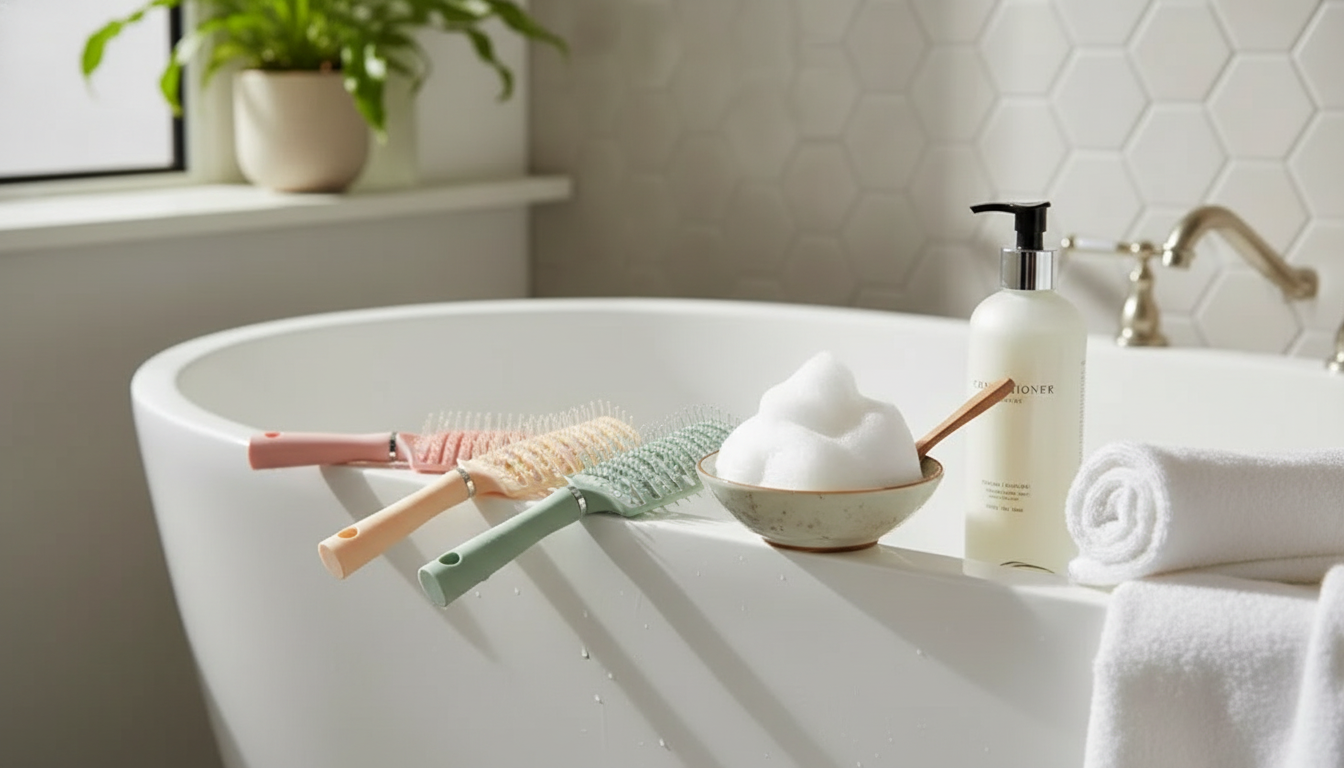
Hollow Scalp Massage Brush: Cleaner Washes, Easier Lather, Calmer Scalp
A scalp brush can turn a quick shampoo into a more thorough clean and a more relaxing routine. A hollow design adds a practical twist: it helps rinse faster, sheds less trapped product, and stays easier to keep fresh between washes. This guide covers what a hollow scalp massage brush is, how to use it comfortably, and what to look for if scalp sensitivity, buildup, or thick hair is part of daily life.
What a hollow scalp massage brush is
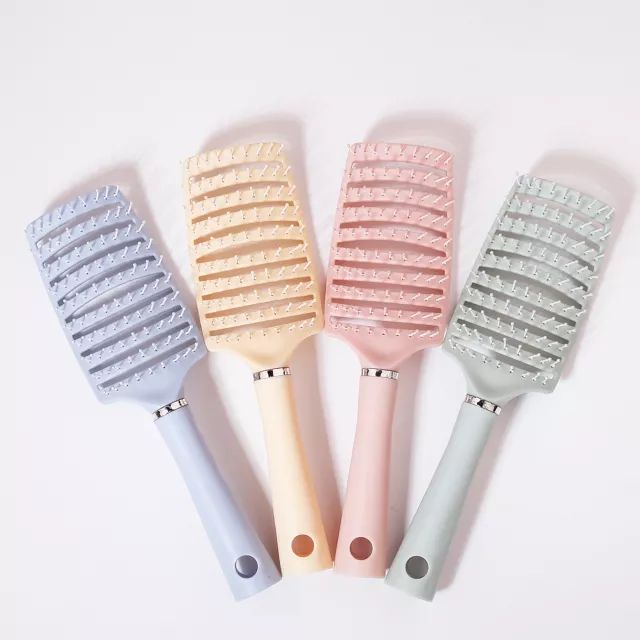
A hollow scalp massage brush is a handheld tool with flexible bristles that glide across the scalp while shampooing or massaging. Instead of a solid back, the body is partially open or ventilated, so water and suds can pass through more easily.
Most people use it in the shower to help spread shampoo evenly at the roots, lift oils and residue, and add a gentle massage that feels soothing without relying on fingernails.
Why the hollow design can feel more hygienic
Any brush used around shampoo, conditioner, and oils can end up holding onto foam and residue—especially at the bristle base. A hollow structure helps reduce that “product pooling” effect.
- Improved rinse-through: fewer hidden pockets where diluted conditioner, dry shampoo residue, or thick lather can linger.
- Faster drying: a brush that dries quicker can be less likely to develop musty odors that sometimes show up in solid-body designs.
- Easier to inspect: it’s simpler to spot trapped hair strands and rinse them away immediately, instead of finding them later.
Benefits during shampooing and scalp care
Used correctly, a scalp brush can support a cleaner-feeling scalp without the scratchiness that sometimes comes from vigorous fingertip scrubbing.
- More even shampoo distribution: helps move shampoo across the scalp (roots to mid-scalp) without overworking one area.
- Buildup loosening: can help dislodge residue around the roots after styling products, heavy conditioners, or frequent dry shampoo use.
- Relaxing massage effect: the circular motion can feel calming for “tight” scalps—keep pressure light and let the bristles do the work.
- Works across hair types: from short cuts to long hair and many protective styles, as long as you focus on the scalp and avoid dragging through lengths.
If flakes are part of your routine, a brush may help lift loose flakes and spread dandruff shampoos more evenly. For treatment guidance, the American Academy of Dermatology has clear instructions on dandruff care: How to get rid of dandruff.
How to use it (without irritating the scalp)
Comfort comes down to slip, pressure, and staying on the scalp (not the hair lengths). A few small adjustments can prevent tangling and reduce sensitivity.
- Start with fully wet hair. Apply shampoo directly to the scalp, then add a bit of water to help it spread and create slip.
- Hold the brush flat. Place bristles against the scalp and use small, controlled circles rather than fast scrubbing.
- Work in sections. Move crown, sides, and nape first, then gently around the hairline. The hairline and edges usually need the lightest touch.
- Rinse hair and the brush well. Let water run through the bristles from base to tip. Avoid pulling the brush through long lengths like a detangler.
- Adjust for sensitivity. If there’s tenderness, stinging, or active flaking, reduce pressure and time. Stop if irritation increases.
Who it’s best for (and who should be cautious)
This tool is often a great match for anyone who wants a more even lather and a cleaner root area—especially when buildup feels stubborn.
- Great match: oily scalps, product buildup, dense hair, or anyone who wants a more thorough cleanse at the roots.
- Helpful for: people who use styling products frequently, work out often, or notice residue at the crown and nape.
- Use caution if: there’s active irritation, open sores, severe dermatitis flares, or very tender areas. In those cases, gentle fingertip cleansing is safer, and persistent symptoms deserve professional advice.
For more context on scalp inflammation that can include flaking and redness, the National Eczema Association provides an overview of seborrheic dermatitis: Seborrheic Dermatitis.
Care and cleaning routine
Quick routine guide: using and maintaining a hollow scalp brush
| Goal | How to do it | How often |
|---|---|---|
| Better lather and cleansing | Use light circular motions on the scalp after shampoo is applied and diluted with a little water | Each wash |
| Reduce buildup | Spend extra time at crown and nape; avoid aggressive pressure at hairline | 1–3x per week (as needed) |
| Keep brush fresh | Rinse thoroughly, remove trapped hair, shake out water, air-dry | After every use |
| Deep clean | Wash with mild soap; scrub around bristle base; rinse and dry fully | Weekly |
What to look for in a good hollow scalp brush
A simple option to try
If you want a lightweight tool designed for easier rinse-through, the Hollow Scalp Massage Brush is a shower-friendly pick for scalp cleansing and massage. It pairs well with regular shampoos and can be especially handy when removing styling product residue at the roots.
- Spring Plaid Wide Padded Headband – Chic Cotton Blend Hair Accessory
- Retro Corduroy Hair Scrunchies & Headbands – Large, Soft & Stylish
FAQ
Can a scalp massage brush help with dandruff or flakes?
It can help lift loose flakes and spread medicated shampoo more evenly, but it won’t treat the underlying cause on its own. Use gentle pressure and follow the directions on anti-dandruff shampoos; seek medical advice for persistent itching, redness, or thick scaling.
Should it be used on wet or dry hair?
Most people get the best results on wet hair with shampoo for slip. Dry use can feel harsher and may tangle longer hair, so if you use it dry, keep pressure very light and focus only on the scalp.
How often should a scalp brush be used?
Start with every other wash and adjust based on comfort and results. If the scalp feels tender or irritated, reduce frequency and pressure.














Leave a comment