Fine-Tooth Flea & Tear-Stain Comb: Safer Face Grooming
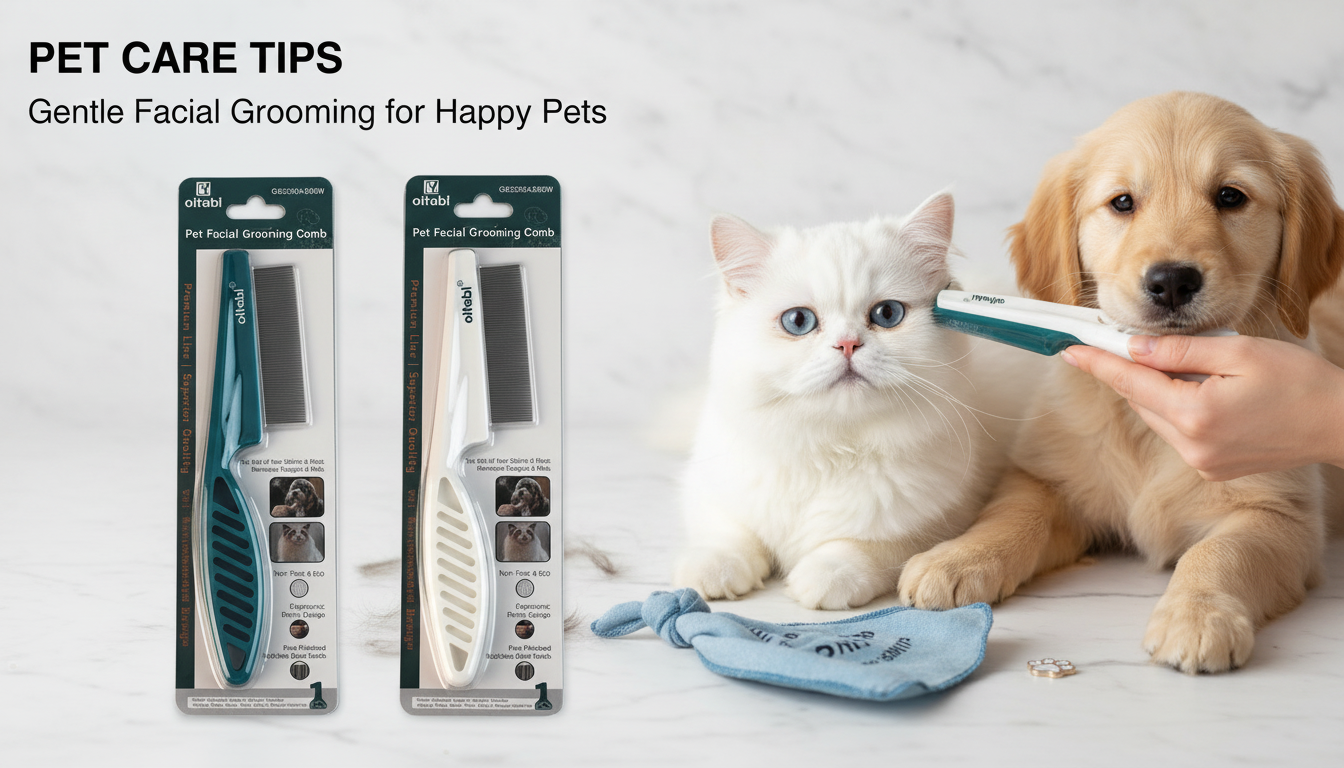
Flea & Tear-Stain Grooming Comb for Dogs and Cats: Cleaner Coats, Clearer Eyes
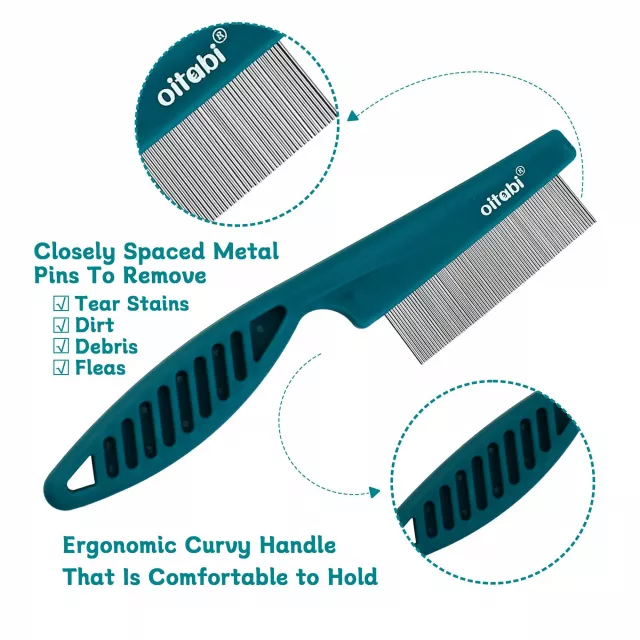
Keeping pets comfortable and looking their best often comes down to small, consistent grooming habits. A fine-tooth grooming comb designed for flea debris and delicate facial areas can help lift dirt, dander, and tiny particles from the coat while also assisting with gentle cleanup around tear-stain-prone zones. Used correctly, it supports a tidier coat, a fresher-looking face, and calmer at-home grooming sessions for both dogs and cats.
What This Comb Helps With
- Coat cleanup: Fine teeth help capture small debris that larger brushes can miss, especially on short coats and around the neck and shoulders.
- Flea evidence checks: Helps reveal flea dirt (black specks) and other particles during routine grooming, supporting early detection.
- Face-area tidying: Careful use can help remove crusty buildup near the eyes and muzzle line without tugging when paired with proper softening (warm water or pet-safe wipes).
- Shedding control: Regular comb-throughs can reduce loose hair on furniture and bedding.
- Bonding and handling: Brief, gentle sessions help pets acclimate to being touched around sensitive areas.
Quick guide to where and how to use a fine-tooth grooming comb
| Area | Goal | Technique | How often |
|---|---|---|---|
| Neck and shoulders | Lift debris and check for flea dirt | Comb with the grain in short strokes; wipe comb on a white tissue to inspect particles | 2–4x per week |
| Back and sides | Remove loose hair and dander | Section the coat; comb from skin outward without scraping | 1–3x per week |
| Belly and inner legs | Spot-check sensitive zones | Use lighter pressure; stop if skin looks irritated | 1–2x per week |
| Under chin and around mouth | Remove food residue and fine debris | Comb slowly; keep sessions short; reward calm behavior | As needed |
| Near eyes (tear-stain area) | Gently lift softened crust and residue | Soften first with warm damp pad; comb only the hair tips; avoid contact with eyelids | As needed |
Safe Grooming Around the Eyes and Face
The eye area is where gentle technique matters most. Tear staining can leave dampness, residue, and crusty buildup on the hair—especially for light-coated pets or those with prominent eyes. A fine-tooth comb can help neaten the hair once residue is softened, but it should never be used to scrape skin or pull at hardened material.
- Soften before combing: Use a warm damp cotton pad or pet-safe wipe to loosen dried material; never pull at hardened crusts.
- Stabilize the head: Support the chin gently and keep the pet facing away from sudden distractions.
- Use minimal pressure: Comb the hair, not the eyelid; keep the teeth parallel to the face and work outward from the inner corner area.
- Keep sessions brief: 30–60 seconds at a time can be enough for sensitive pets.
- Watch for warning signs: Redness, squinting, swelling, bad odor, or discharge warrants a pause and a vet check.
For additional context on why tear stains happen and when to seek help, the American Kennel Club provides general guidance on causes and care considerations.
How to Check for Flea Dirt and What to Do Next
Combing is a practical way to spot early signs of flea activity—especially when pets aren’t scratching much yet. Flea dirt looks like tiny black specks; it’s essentially digested blood that can show up on the coat even when you don’t immediately see live fleas.
- Where to check: Focus on the neck, base of tail, belly, and behind ears where fleas commonly gather.
- The tissue test: Comb onto a white paper towel; add a drop of water—flea dirt may smear reddish-brown as it dissolves.
- Immediate steps: Wash bedding, vacuum floors and upholstery, and consider a vet-recommended flea control plan appropriate for the pet’s age and weight.
- Avoid common missteps: Do not rely on grooming alone to eliminate an infestation; combing supports detection and hygiene but is not a full treatment.
For prevention basics, see the CDC’s flea resource. For veterinary-focused control strategies (including environmental management), Cornell University’s guidance is also helpful: Cornell University College of Veterinary Medicine.
Best Practices for Different Coat Types
Cleaning and Caring for the Comb
When Grooming Isn’t Enough
Product Options (In Stock)
- Flea & Tear-Stain Grooming Comb for Dogs and Cats — a simple tool for coat debris checks and careful work around tear-stain-prone hair.
- Spring Plaid Wide Padded Headband – Chic Cotton Blend Hair Accessory — helpful for keeping your hair back during face-area cleanups and bath time.
- Retro Corduroy Hair Scrunchies & Headbands – Large, Soft & Stylish — another easy option to keep loose hair out of the way while you groom.
At-a-glance details
| Item | Price | Availability |
|---|---|---|
| Flea & Tear-Stain Grooming Comb for Dogs and Cats | $3.01 | In stock |
FAQ
Can a grooming comb remove fleas completely?
Combing can catch some fleas and help you spot flea dirt, but it usually won’t eliminate an infestation by itself. Full control typically requires treating the pet and the home environment with vet-recommended flea products and consistent cleaning.
How can tear stains be cleaned safely at home?
Soften residue first with a warm damp pad or pet-safe wipe, then gently comb only the hair (not the eyelids) with minimal pressure. Keep sessions short, and contact a vet if you notice redness, discharge, swelling, or persistent staining changes.
How often should dogs and cats be combed with a fine-tooth comb?
For coat checks and debris removal, 1–4 times per week works well for many pets, depending on shedding and coat type. For facial areas, clean as needed—stopping immediately if your pet shows discomfort or the skin looks irritated.















Leave a comment