Smart Wall EV Charger: 7kW/11kW/22kW App Control
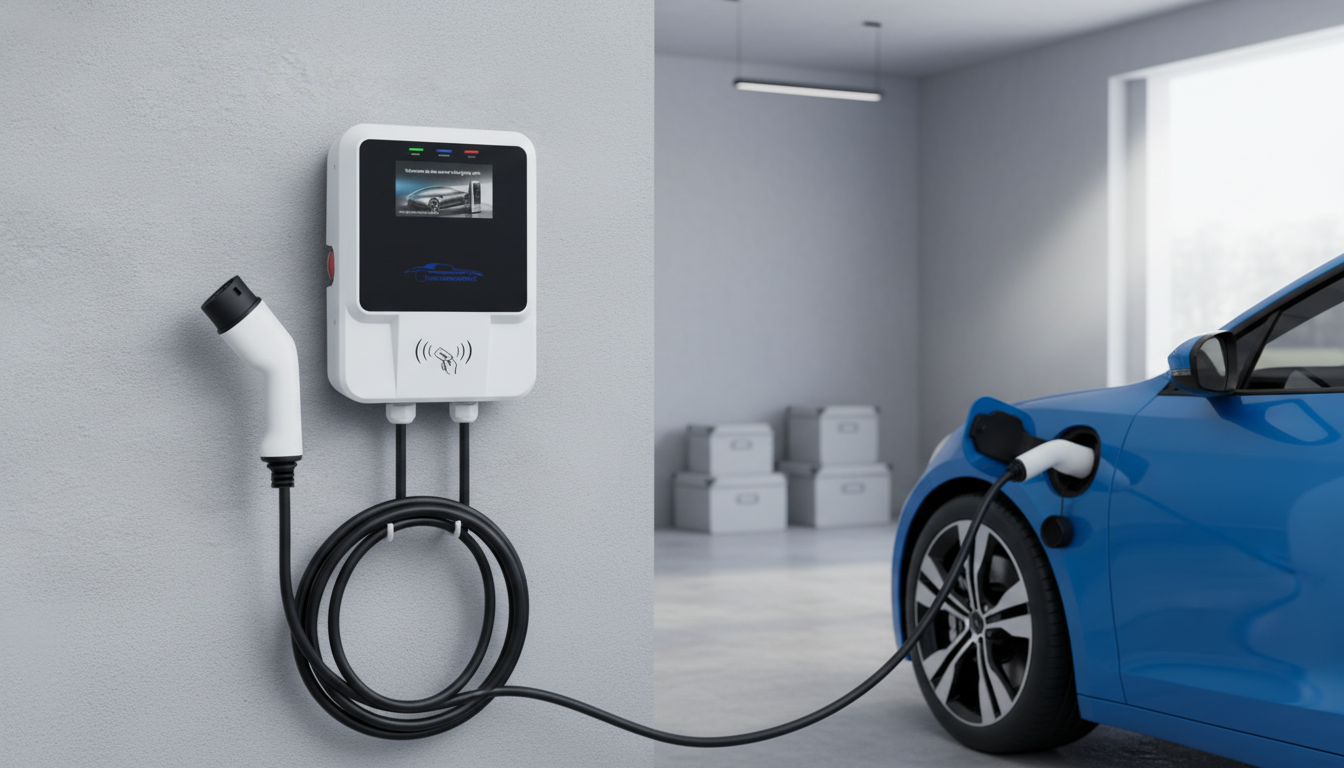
Smart EV Charging Station 7KW/11KW/22KW: High-Speed Wallmount Charger with App Control
A home wall-mounted EV charger can make daily charging faster, safer, and easier to manage than relying on public stations. This smart charging station is available in 7kW, 11kW, and 22kW options and adds app-based control for scheduling, monitoring, and convenience—ideal for garages, driveways, and small commercial parking setups.
What a Smart Wallmount EV Charger Solves
Charging from a standard household outlet can work in a pinch, but it often turns everyday EV ownership into a guessing game—especially when you need reliable range for a commute. A dedicated wall-mounted charger is designed for repeatable, high-duty charging sessions with a cleaner setup.
- Reduces charging time compared with a standard household outlet (Level 1), making overnight charging more practical.
- Creates a consistent charging routine at home with scheduled charging windows (useful for off-peak electricity rates).
- Improves day-to-day usability with cable management and a dedicated charging location.
- Adds visibility into charging status through app control rather than guessing from the vehicle alone.
For a quick primer on home charging basics and what to expect from different setups, the U.S. Department of Energy’s guide to charging at home is a solid reference point.
7kW vs 11kW vs 22kW: Picking the Right Power Level
Choosing between 7kW, 11kW, and 22kW isn’t just about “bigger is better.” Real-world charging speed depends on your vehicle’s onboard charger (the part of the car that converts AC power to DC for the battery), your electrical service, and how the charger is configured during installation.
- 7kW is a common fit for many homes with single-phase electrical service and provides solid overnight charging.
- 11kW often suits homes with three-phase supply (or certain regional electrical setups) and can shorten charging sessions significantly.
- 22kW can be ideal where electrical capacity and the vehicle’s onboard charger support it; it’s also attractive for shared or light commercial use.
- Actual charging speed depends on the vehicle’s onboard charger rating, the site’s electrical limits, and cable/connector compatibility.
Typical Differences Between 7kW, 11kW, and 22kW Home Charging
| Power option | Best for | Typical electrical considerations | What can limit speed |
|---|---|---|---|
| 7kW | Most home garages; reliable overnight charging | Often compatible with many residential setups when properly installed on a dedicated circuit | Vehicle onboard charger limit; circuit capacity; scheduled load management |
| 11kW | Faster daily top-ups; households with higher electrical capacity | May require three-phase supply or higher-capacity installation depending on region | Vehicle onboard charger limit; site service limit; breaker sizing |
| 22kW | Maximum AC charging where supported; shared/fleet/light commercial use | Higher installation demands; may require three-phase and robust site capacity | Most vehicles cap below 22kW on AC; site constraints; heat/derating protections |
Smart App Control: Convenience That Also Protects Your Electrical Panel
“Smart” features aren’t just nice-to-haves—when used well, they can help your home electrical system run more smoothly, especially in households juggling EV charging with HVAC, appliances, and other big loads.
- Scheduled charging helps align with utility time-of-use pricing and reduces peak-time load.
- Remote start/stop and status checks help confirm a session started properly without going to the garage.
- Usage visibility can help track patterns (helpful for households sharing one charger).
- If the app supports adjustable current settings, charging can be matched to available capacity to reduce nuisance breaker trips.
For additional context on charging interfaces and expectations, standards like SAE J1772 are commonly referenced in North America (vehicle-side inlet and coupler conventions), while broader conductive charging requirements are addressed by international standards such as IEC 61851.
Safety Features to Look For in Everyday Charging
EV charging is a long-duration, high-power electrical load. That’s why a safe setup is a combination of the charger’s built-in protections and the quality of the installation.
- A dedicated circuit with correctly sized breaker and wiring is essential for safe high-power charging.
- Protection against overcurrent/overvoltage/overtemperature helps reduce risk during long charging sessions.
- Weather resistance matters for outdoor installations; mounting location and cable routing should minimize strain and water exposure.
- Fault protection expectations vary by region; confirm local requirements for RCD/GFCI and follow qualified installer guidance.
Installation Notes for Garages, Driveways, and Small Commercial Spots
Good placement can make a wall-mounted charger feel effortless to use. Poor placement can make even a fast charger annoying—think stretched cables, blocked walkways, or awkward parking angles.
Daily Use Tips for Faster, More Predictable Charging
Recommended In-Stock Picks
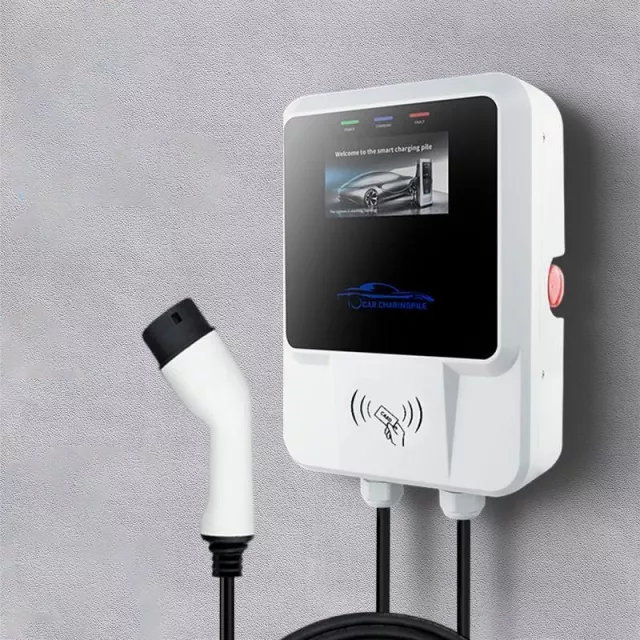
- Smart EV Charging Station 7KW/11KW/22KW – High-Speed, Safe, and Intelligent Wallmount Charger with App Control
- Crystal Moon & Star Car Vent Clips
- Retro Corduroy Hair Scrunchies & Headbands – Large, Soft & Stylish
Is This Smart EV Charging Station a Good Fit?
FAQ
Will a 22kW home charger always charge faster than 11kW?
No—AC charging speed is limited by your vehicle’s onboard charger and your home’s electrical supply. Many EVs can’t accept the full 22kW on AC, so the charger may deliver only what the car (and the circuit) can safely use.
Does installing a wall-mounted EV charger require a dedicated circuit?
In most cases, yes. High-power EV chargers are typically installed on a dedicated circuit with properly sized wiring and a correctly rated breaker, following local electrical code and installer guidance.
What does app control typically let you do on a smart EV charger?
App control commonly includes scheduling, monitoring charging status, and remote start/stop. Some apps also offer charging history and adjustable current settings, depending on the model and configuration.















Leave a comment