Soft Silicone Owl Teether: Safe, Soothing Relief Tips
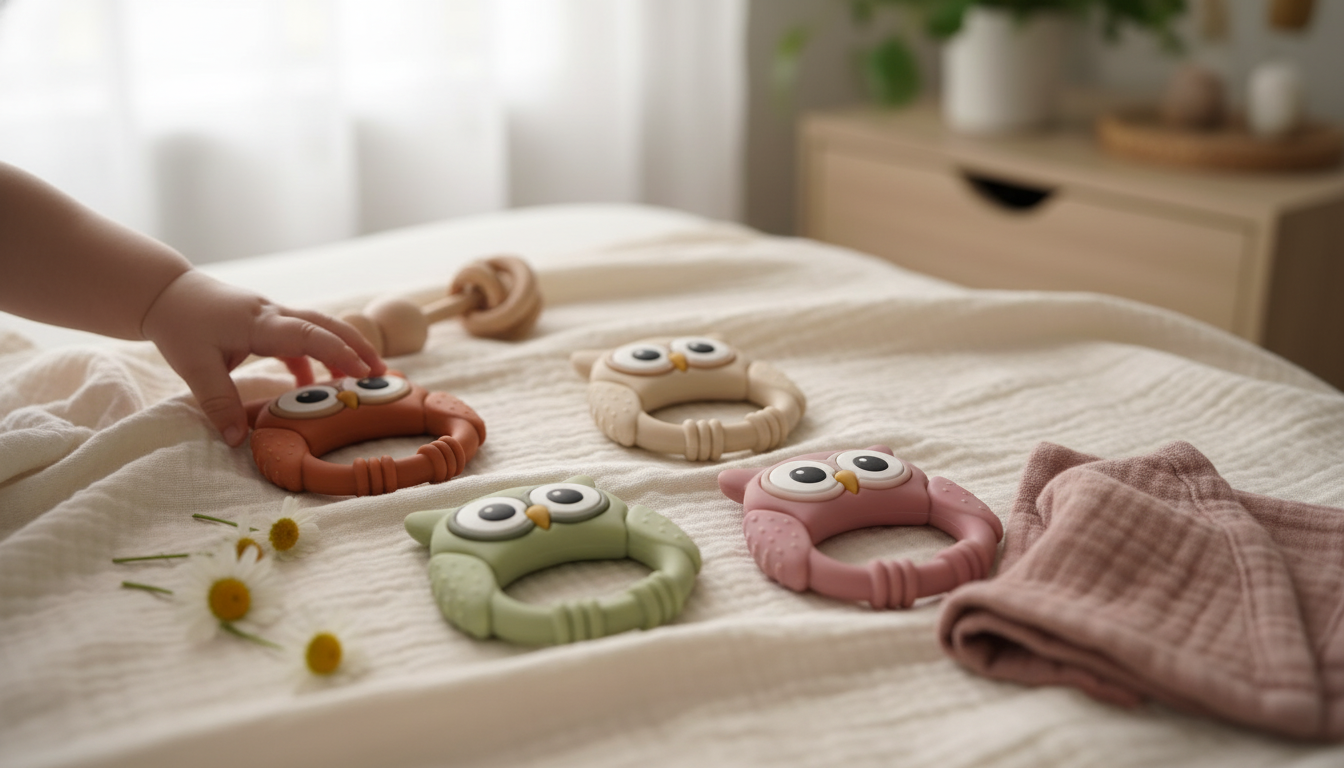
Soft Teething Support That’s Easy to Hold
Teething days can bring sore gums, drooling, and restless naps. A soft silicone teether shaped for little hands can offer gentle pressure where it’s needed most—while staying easy to clean and simple to keep nearby at home or on the go. For more guidance, see Bella Tunno Darling Teether.
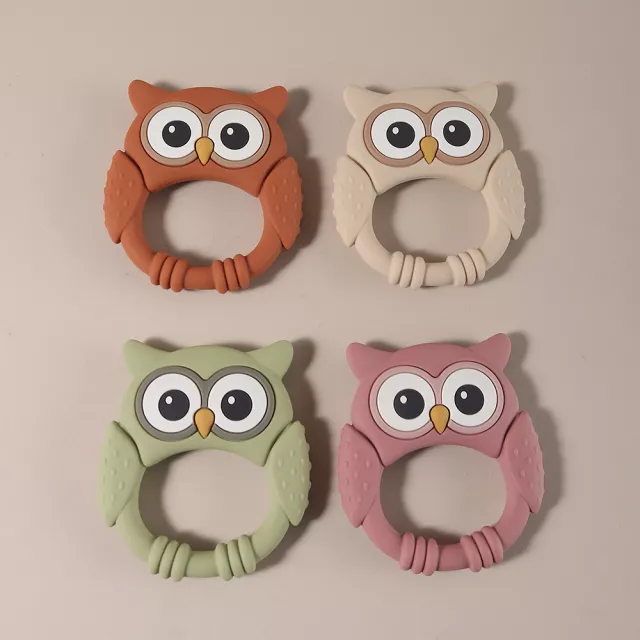
If you’re looking for a sweet, practical option, the Silicone Owl Baby Teether – Soft, Safe & Soothing Teething Relief is designed to be lightweight, grippy, and soothing during those extra-fussy moments. For further reading, see [PDF] Example Health & Child Safety Products.
Why a Soft Silicone Teether Helps During Teething
Babies explore the world through their mouths, and during teething that natural instinct becomes a real comfort tool. A soft silicone teether offers a consistent, baby-safe surface to chew, helping support calm when gums feel tender.
- Provides gentle, chewable resistance that can soothe tender gums without feeling harsh.
- Supports self-soothing by giving babies a safe item to mouth when discomfort spikes.
- Silicone is lightweight and comfortable to hold, making it easier for babies to bring it to their mouth independently.
- A playful owl shape can keep attention longer than plain teethers, especially during fussy moments.
For pediatric guidance on what’s normal during teething (and what’s not), see the American Academy of Pediatrics (AAP) teething resource.
Owl Shape: Easy Grip, Targeted Chewing
Shape matters more than it seems. When a teether is easy to grasp, babies can use it more effectively—bringing it to sore spots instead of dropping it repeatedly and getting frustrated.
- Rounded edges and a compact silhouette are designed for small hands and early grasping skills.
- Multiple chewing zones (ears, wings, body) give babies options to press on different gum areas.
- Textured surfaces can add sensory interest and may encourage longer, calmer chewing sessions.
- A single-piece silicone teether is convenient to toss into a diaper bag for quick relief.
Many parents find it helpful to keep one teether in the stroller and another at home, so comfort is always within reach—especially during errands, car rides, and waiting rooms.
Safety and Material Considerations for Baby Teethers
When it comes to baby teethers, safety isn’t just about the material—it’s also about the construction, wear-and-tear checks, and how the product is used day to day.
- Look for a soft-but-sturdy feel: flexible enough for comfort, firm enough to provide gum pressure.
- Choose designs without small detachable parts to reduce choking risk.
- Prefer smooth seams and easy-to-rinse shapes to help keep the teether clean between uses.
- Always supervise chewing and remove the teether if it shows tearing, deep cracks, or damage.
- Use only age-appropriate teethers and follow any included care instructions.
For general product safety reminders (including choosing safe toys and avoiding hazards), the U.S. Food & Drug Administration toy safety tips are a helpful reference.
Cleaning, Cooling, and Everyday Use Tips
A teether only stays comforting when it stays clean. Because teethers often end up on floors, stroller trays, and public surfaces, having a simple cleaning routine makes a big difference.
- Wash before first use and clean regularly—especially after drops in public places.
- For extra soothing, a cooled teether can feel comforting on inflamed gums (avoid freezing solid if it becomes too hard for baby to chew comfortably).
- Rotate between a couple of teethers to keep one clean and ready while another is in use or drying.
- Pair teether time with calm routines (dim lights, quiet play) to help during late-afternoon fussiness.
Quick Guide: Use and Care Checklist
| Task | Best Practice | How Often |
|---|---|---|
| Before first use | Wash thoroughly and inspect for defects | Once |
| Daily cleaning | Wash with mild soap and warm water; rinse well | Daily or as needed |
| After drops outdoors | Clean promptly; avoid sharing between children | Each time |
| Cooling for gum relief | Chill in refrigerator for short periods; test temperature | As needed |
| Safety check | Inspect for tears, deep cracks, or damage; replace if worn | Weekly or sooner |
For broader cleaning guidance in environments with young children, the CDC’s cleaning and disinfecting guidance for child care settings offers useful best practices.
When to Use a Teether (and When to Call the Pediatrician)
Teethers are great for everyday teething discomfort, but they’re not a solution for symptoms that may signal illness. Knowing the difference can help you respond quickly and appropriately.
A Simple Teether for Home, Stroller, and Travel
For a simple, giftable option that’s easy to grab before heading out the door, consider the Silicone Owl Baby Teether – Soft, Safe & Soothing Teething Relief.
If you’re putting together a care package that includes something for parents too, the Spring Plaid Wide Padded Headband – Chic Cotton Blend Hair Accessory makes a handy add-on for quick, pulled-together hair during busy days.
FAQ
How do you clean a silicone baby teether?
Wash it with mild soap and warm water, rinse thoroughly, and let it air-dry completely. Clean it promptly after it’s dropped in public places, and follow any manufacturer care instructions while inspecting regularly for wear.
Can a teether be chilled for better relief?
Yes—chilling in the refrigerator can add soothing cold that feels good on inflamed gums. Test the temperature before giving it to your baby, avoid freezing it solid if it becomes too hard, and always supervise use.
When should a baby teether be replaced?
Replace it if you notice tears, deep cracks, changes in texture, or any visible damage. Regular inspections (weekly or sooner) help catch wear early, especially once stronger chewing begins.















Leave a comment