Password Window & Door Locks for Toddler Home Safety
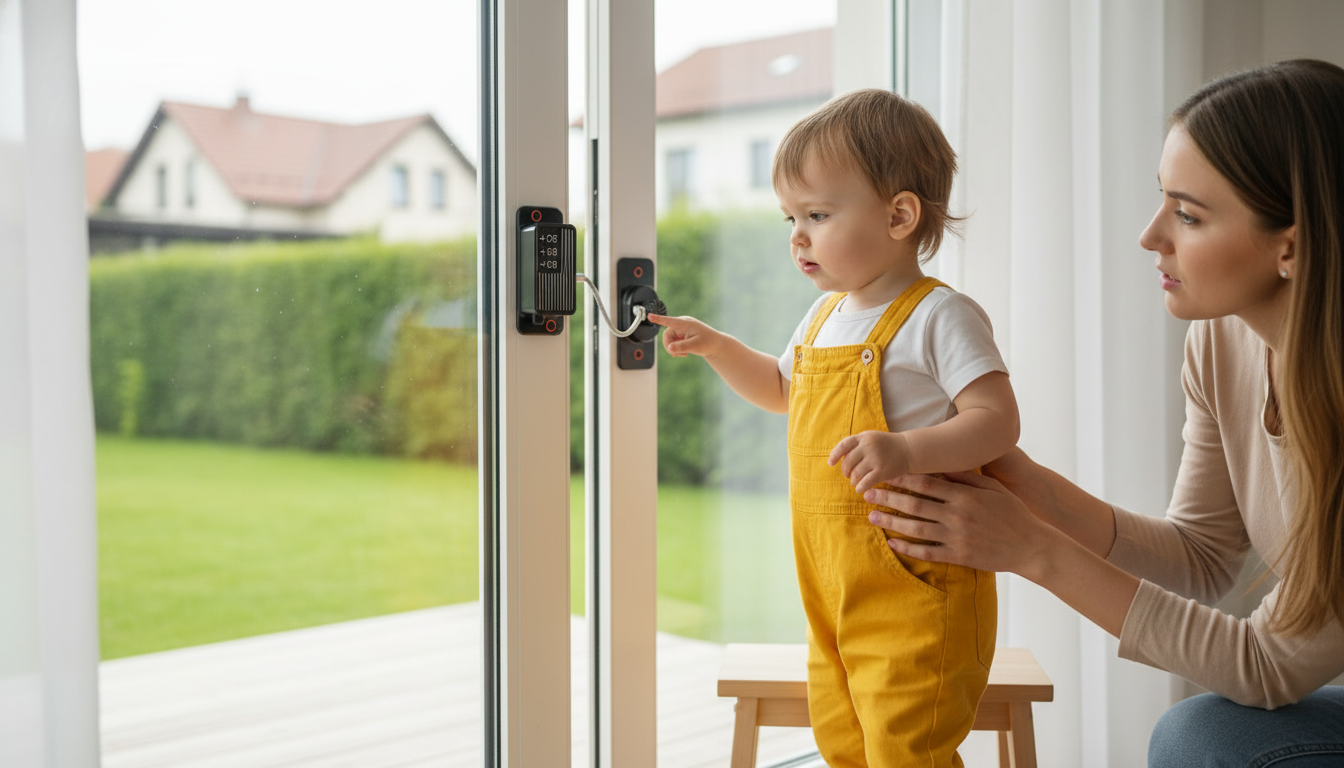
Baby Safety Window & Door Locks with Password: A Simple Upgrade for Everyday Home Security
A password-style window and door lock adds an extra layer of protection in busy homes—helping prevent curious toddlers from sliding windows open or unlocking interior doors. Unlike basic latches that rely on “being out of reach,” a code-controlled lock creates a consistent routine: adults can open when needed, while kids are far less likely to bypass it during those fast, distracted moments.
Used thoughtfully, these locks can support safer naps, calmer playtime boundaries, and more controlled access to balconies, patios, stair areas, or utility rooms—without permanently changing your existing door hardware.
Why password-style locks help in family homes
Family spaces are dynamic: doors open and close constantly, older kids come and go, and caregivers rotate. A password lock helps add predictability where safety matters most.
- Reduces the chance of children opening windows or doors without adult supervision, especially in high-traffic rooms.
- Adds a barrier beyond basic latches, especially for sliding windows, balcony doors, and patio access where a quick slide can be all it takes.
- Useful for caregivers: one code can be shared with trusted adults while keeping entry controlled for everyone else.
- Can support home routines (nap time, playroom boundaries, balcony safety) without permanently restricting access for adults.
For broader guidance on preventing falls and window-related incidents, see American Academy of Pediatrics — Window Safety and the CDC — Falls (Prevention and Risk Reduction).
Best places to use a window and door lock
Password-style locks are most effective where “just keeping an eye on them” is hardest—busy rooms, transitional areas, and spots where a single opening creates a big hazard.
- Sliding windows in bedrooms and nurseries, especially on upper floors.
- Balcony or patio doors where outdoor access needs tighter control.
- Interior doors that lead to utility rooms, storage areas, or stair access points.
- Windows near furniture that can be climbed (beds, dressers, toy shelves).
Common installation spots and what they protect
| Location | Typical risk | Practical benefit |
|---|---|---|
| Nursery window | Child pushes/slides window open | Limits opening until an adult unlocks |
| Patio/balcony door | Unsupervised outdoor access | Adds a second step before the door opens |
| Playroom door | Wandering into unsafe areas | Helps set safe boundaries during busy moments |
| Kitchen or utility door | Access to chemicals/sharp items | Extra control while still allowing adult access |
How a password lock typically works
Most password-style window and door locks use a user-set code to control unlocking rather than relying only on a key or simple latch. The goal is straightforward: make it difficult for small children to manipulate, while keeping it quick and repeatable for adults.
- Uses a user-set code so adults can unlock quickly when hands are full (laundry, bottles, or groceries).
- Designed to be difficult for small children to bypass while remaining intuitive for grown-ups.
- Often includes a reset process so the code can be changed after moves, caregiver changes, or routine updates.
- Intended as a safety layer; other measures like window guards and supervision still matter.
For ventilation, many families position the lock so the window can open a limited amount—enough for airflow, but not enough for a child to climb through or create a dangerous gap.
Setup essentials for reliable daily use
The difference between a lock that “kind of works” and one that works every day usually comes down to placement and prep. A few careful steps during setup can prevent constant re-adjustment later.
- Choose a mounting position that adults can reach but children cannot easily access—especially if the lock is near a handle or latch that kids already like to explore.
- Clean and dry the surface before applying any adhesive-based components; allow adequate curing time so the bond can fully set.
- Test the lock repeatedly: gentle pulls, pushes, and sliding movement to confirm it holds under normal use (and the occasional impatient tug).
- Store the code securely and share it only with trusted caregivers. If multiple adults need access, keep the code consistent and documented.
- Re-check alignment after temperature changes, seasonal humidity shifts, or repeated slamming—especially on doors that swell or shrink slightly.
What to look for before buying
Not every lock fits every frame. Spending a minute on compatibility can save a lot of frustration—especially on sliding tracks and tight-clearance doors.
Product spotlight: password-controlled safety options for home use
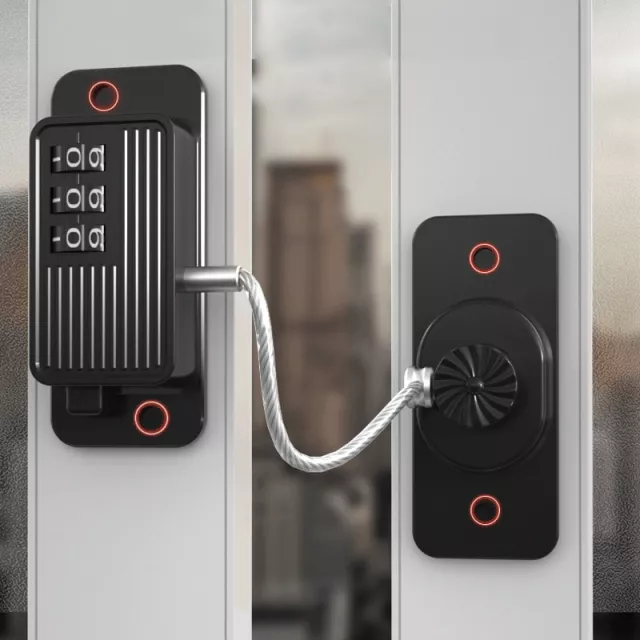
- Baby Safety Window & Door Lock with Password for Home Security (in stock): designed to add a password-controlled barrier for windows and doors used in daily family life. Confirm fit and placement before final installation to avoid interfering with normal closing and sealing.
- Retro Corduroy Hair Scrunchies & Headbands – Large, Soft & Stylish (in stock): a simple helper for keeping hair back during quick home setups and everyday parenting routines.
Safety notes and limitations
FAQ
Can a password window or door lock be installed without drilling?
Many models are designed for adhesive mounting, which can avoid drilling. For best results, clean and dry the surface thoroughly, follow the recommended curing time, and confirm the adhesive is compatible with your specific window or door finish.
What happens if the password is forgotten?
Most password locks include a manufacturer reset method, which may involve a reset pinhole or a specific sequence. Record the code in a secure place and test the reset process right after installation so you know how it works before you need it.
Will a lock like this stop a window from opening for ventilation?
Not necessarily—placement often determines how much the window can open. Many families set the lock to allow a small ventilation gap while preventing a wide opening that could create a safety hazard.















Leave a comment