Sonic Rechargeable Toothbrush: 3 Modes + 4 Heads
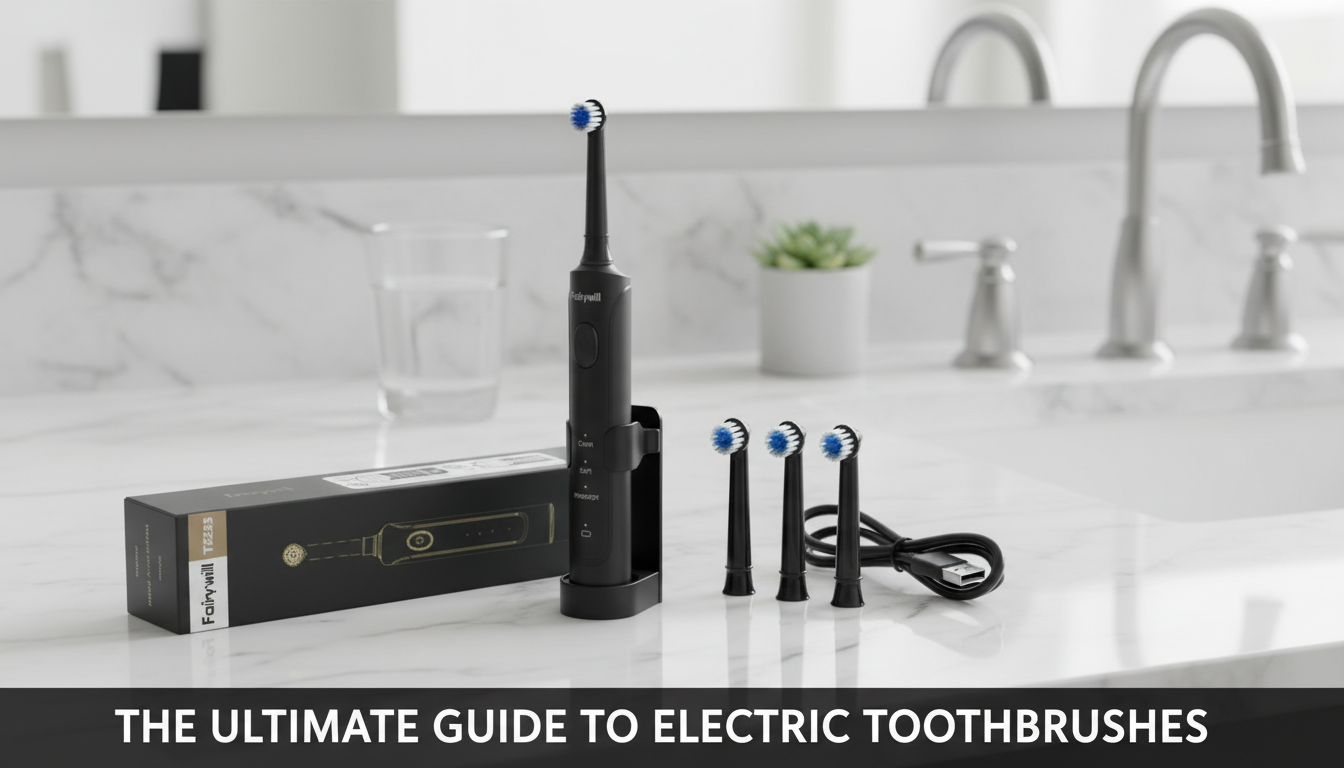
Rechargeable Sonic Electric Toothbrush: a simple upgrade that feels like a better clean
A rechargeable sonic electric toothbrush can upgrade daily brushing with consistent power, timed sessions, and multiple modes to match sensitivity and cleaning goals. This model includes four replacement heads and three rotation modes to help maintain a thorough routine at home or while traveling. For many routines, the biggest difference is consistency: instead of guessing pressure and speed, the brush provides steady motion so you can focus on coverage and technique.
What makes a sonic rechargeable toothbrush different
Moving from a manual brush to a rechargeable sonic toothbrush isn’t just a “faster brushing” swap—it changes how the cleaning action reaches tough spots.
- Sonic action supports a more complete clean: Rapid motion helps move fluid and foam between teeth and along the gumline, which can improve the overall feel of clean compared with manual scrubbing.
- Rechargeable power stays consistent: A battery-powered motor helps keep brushing strength more even across the full two-minute routine, instead of fading as you get tired or rush.
- Timing support encourages better habits: Many electric brushes include timed sessions or pacing cues, making it easier to brush long enough and cover every area.
- Mode switching makes comfort easier: Multiple modes help you adapt intensity for sensitive areas, gum care, or everyday cleaning without changing your entire routine.
For general brushing guidance and safety, the American Dental Association offers a helpful overview of toothbrush basics at ADA — Toothbrushes.
What’s included and who it fits best
This set is designed for straightforward daily use—no complicated setup—while still giving you options to fine-tune comfort.
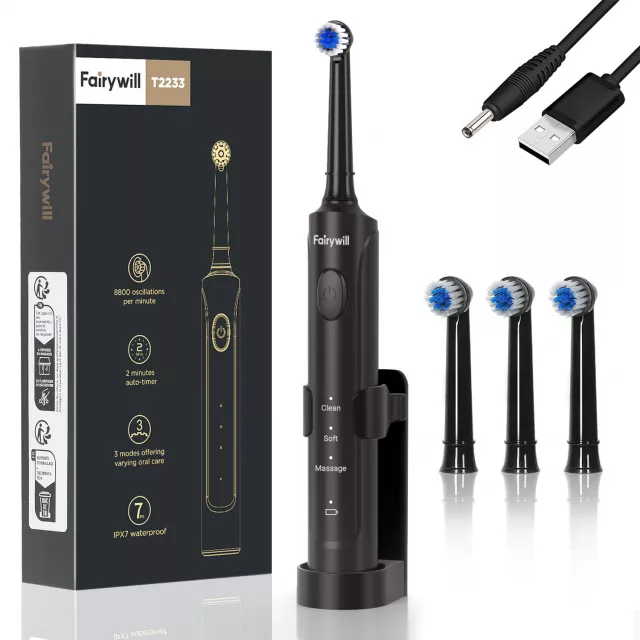
- Rechargeable handle: Built for repeated daily use without frequent battery swaps, making it easy to keep near the sink and ready.
- Four replacement heads: Extra heads make it simpler to stay on schedule with hygiene and swap when bristles start to wear.
- Three brushing modes: Choose a gentler feel when needed or a stronger setting when you want a more intense clean—without changing brushes.
- Good fit for simple upgrades: Practical for households ready to move beyond manual brushing while keeping the routine easy to maintain.
- Travel-friendly potential: Works well for trips when paired with a protective case or cap (if available separately), especially if you let the head dry before packing.
Shop in-stock essentials
- Rechargeable Sonic Electric Toothbrush with 4 Replacement Heads – Powerful Rotation, 3 Modes
- Retro Corduroy Hair Scrunchies & Headbands – Large, Soft & Stylish (handy for keeping hair back during your morning/evening routine)
- Spring Plaid Wide Padded Headband – Chic Cotton Blend Hair Accessory (a quick way to keep your hair away from your face while brushing and washing up)
Modes and rotation power: how to choose the right setting
Electric brushes work best when the brush head is allowed to do the motion. The mode you pick should match your gums, your current sensitivity, and how your mouth feels that day.
- Daily clean mode: A strong default for twice-daily brushing. Focus on gentle contact and slow, deliberate movement rather than pressing harder.
- Sensitive or gentle mode: A smart choice after dental work, during gum tenderness, or when using electric brushing for the first time. It helps you build consistency without irritation.
- Stronger mode: Useful when buildup feels more noticeable, but it’s still important to reduce pressure. Let the brush do the work and avoid “bearing down.”
- If gums bleed consistently after the first week: Switch to a gentler mode and consider a softer head. If bleeding persists, consult a dental professional.
Evidence reviews have found powered toothbrushes can offer advantages in plaque reduction and gingivitis outcomes for many users; see the Cochrane Review — Powered toothbrushes for oral health for an in-depth summary.
How to use it for a cleaner feel (without overbrushing)
A sonic brush can feel so effective that it’s tempting to speed up or press harder. Better results usually come from slowing down and using lighter pressure.
For broader adult oral health basics (including prevention habits that support brushing), the CDC provides a practical overview at CDC — Adult Oral Health.
Replacement heads: comfort, hygiene, and value over time
| Situation | Recommended action | Why it matters |
|---|---|---|
| Bristles splay or feel sharp | Replace the head now | Restores gentle, effective contact with teeth and gums |
| After illness (cold/flu) | Replace or sanitize and consider replacing soon | Reduces re-exposure to germs |
| Normal daily use | Replace about every 3 months | Maintains cleaning performance over time |
| Brush head stays wet in a closed container | Air-dry before storing; use a vented holder | Helps limit moisture-related odor and buildup |
Charging, battery habits, and travel-friendly handling
A quick look at this model
FAQ
How often should replacement heads be changed?
Common guidance is about every 3 months, or sooner if bristles are frayed, discolored, or no longer springy. Some people also prefer to replace the head after an illness.
Is a stronger mode better for cleaning?
Not always. Cleaning depends more on time, coverage, and light pressure; stronger modes can help when used gently, but sensitive gums may do better with a gentler setting.
Can electric brushing damage gums?
Yes, if you use excessive pressure or hold the brush in one spot too long. Use light pressure, guide the head slowly, and switch to a gentler mode if irritation occurs.















Leave a comment