Baby Girl Knit Sweater: Soft Fit, Safe Layers & Care
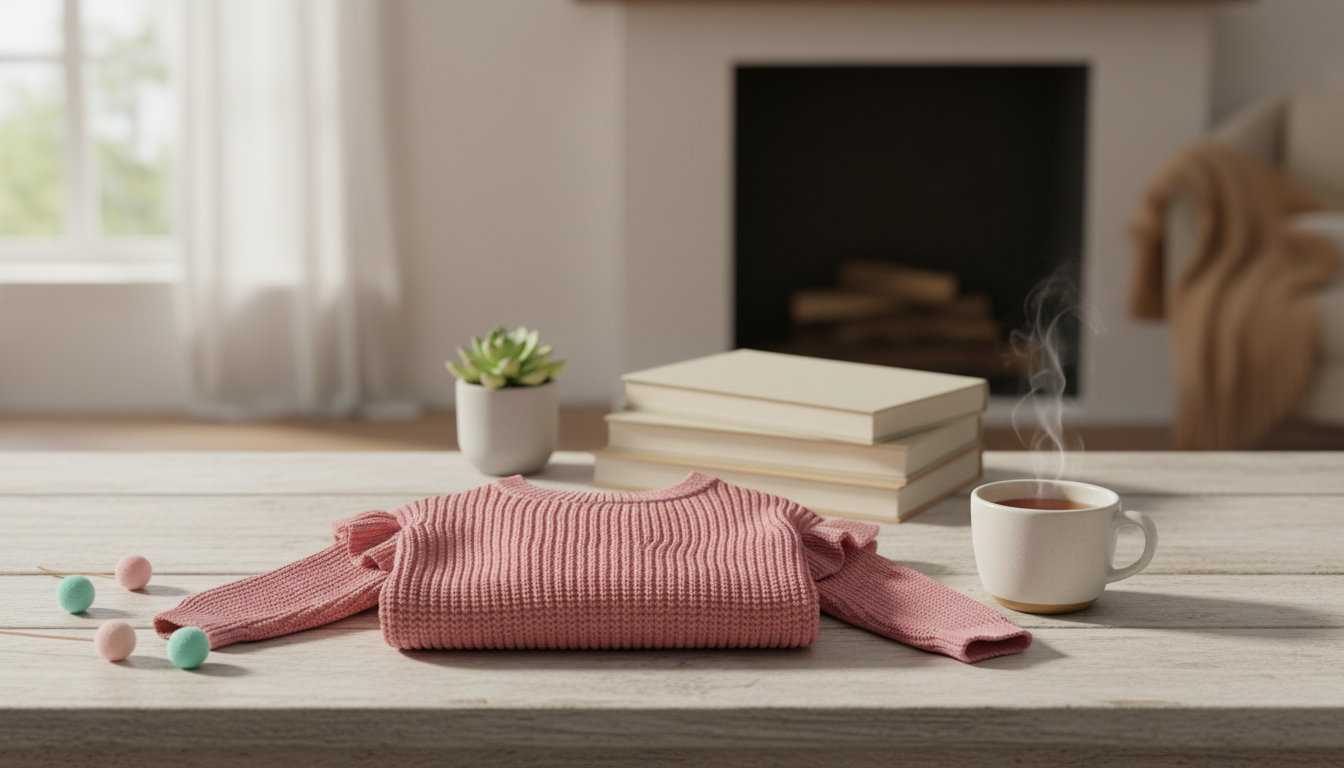
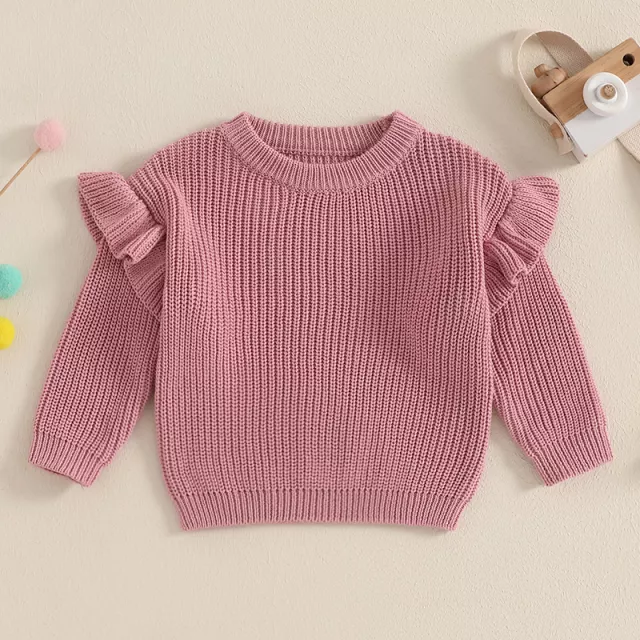
Baby Girl Knit Sweater: Cozy Layering for Everyday Outings
A knit sweater is one of the easiest ways to keep a baby comfortable through cool mornings, air-conditioned spaces, and breezy stroller walks. The best ones feel gentle against delicate skin, fit smoothly over a base layer, and are simple to care for—so getting dressed stays quick and fuss-free.
What Makes a Great Baby Knit Sweater
Not all knits feel the same, especially for babies who spend a lot of time being held, buckled into a car seat, or snuggled in a stroller. A great baby knit sweater balances warmth with everyday comfort.
- Soft hand-feel: Prioritize smooth knits that won’t feel scratchy at the neck, wrists, or along the hem.
- Comfortable stretch: Gentle elasticity helps with wriggly outfit changes and allows layering over a onesie or top.
- Breathable warmth: Knit construction can warm without feeling stuffy, especially for transitional weather.
- Baby-friendly finishing: Look for neatly finished seams and cuffs that won’t leave marks.
- Practical design: A simple silhouette is easier to pair with leggings, bloomers, or a skirted bodysuit.
For cold-weather guidance and safe layering basics, see the American Academy of Pediatrics tips on dressing children for winter conditions: HealthyChildren.org Winter Safety.
Fit and Sizing: A Quick Guide for Layering
Comfortable fit is less about “snug” and more about “easy.” You want enough room to add a thin layer underneath without the sweater riding up, twisting at the arms, or rubbing at the neck.
- Aim for easy-on fit: A little room at the chest and arms helps the sweater slide over base layers without bunching.
- Check sleeve length: Cuffs should sit at the wrist without covering the hands for long periods.
- Watch the neckline: A comfortable opening prevents irritation and makes changes faster.
- Plan for growth: If between sizes, choose the option that allows a thin layer underneath while still sitting neatly at the shoulders.
Simple Fit Checklist
| Area | Good Fit Looks Like | Too Small Signs | Too Big Signs |
|---|---|---|---|
| Shoulders | Sits at shoulder edge with smooth drape | Pulling across upper back | Drooping seams, slipping off shoulder |
| Chest | Light room over a onesie | Buttons/gaps pulling (if applicable) or tight feel | Excess fabric bunching under arms |
| Sleeves | Cuff at wrist, arms move freely | Sleeves ride up easily | Sleeves cover hands and twist |
| Length | Covers waistband without riding up | Hem lifts when arms raise | Hem hangs low and tangles with diaper area |
Outfit Ideas for Different Occasions
A knit sweater earns its keep when it works across errands, visits, and quick outdoor breaks. Keep combinations simple so you can adjust temperature without rebuilding the entire outfit.
- Everyday play: Sweater + soft leggings + socks/booties for easy movement.
- Photo-ready look: Pair with a simple dress, tights, and a small hair accessory for a classic silhouette.
- Stroller walks: Layer over a long-sleeve bodysuit; add a hat when it’s breezy.
- Indoor errands: Keep a thin base layer underneath so the sweater can come off without a full outfit change.
For extra polish without extra bulk, a soft accessory can pull the look together while keeping the focus on comfort.
Comfort and Safety Details to Watch
Babies wiggle, twist, and nap in all kinds of positions—so little details matter. A comfortable sweater should feel smooth against the skin and allow free movement for crawling, reaching, and being carried.
- Avoid anything that rubs: Bulky interior seams, stiff tags, or rough trims can irritate delicate skin.
- Check small components: Ensure any decorative elements are securely attached and appropriate for babies.
- Choose movement-friendly knits: Babies need free arm movement for crawling, reaching, and being carried.
- Layer safely: Remove layers if baby feels warm; monitor comfort at the back of the neck rather than hands/feet alone.
For broader child product safety updates and guidance, the U.S. Consumer Product Safety Commission is a helpful reference point: CPSC.gov.
Care Tips to Keep Knits Soft
Softness is part fabric and part routine. A few small habits can help a knit sweater stay cozy, hold its shape, and look fresh through frequent wears.
- Wash gently: Use mild detergent and a gentle cycle when possible to help reduce pilling and stretching.
- Protect shape: Lay flat to dry when recommended, and reshape cuffs/hem while damp.
- Reduce snagging: Wash with similar fabrics and avoid zippers/hooks in the same load.
- Store smart: Fold knits instead of hanging to help prevent shoulder bumps.
If you ever need a refresher on what care symbols and instructions mean, the Federal Trade Commission explains the basics of required garment care labeling here: FTC Care Labeling Rule.
Baby Girl Knit Sweater: Quick Product Highlights
If you’re building a small mix-and-match wardrobe, a straightforward knit layer can cover a lot of ground—daycare drop-offs, family visits, and everything in between.
Easy Add-Ons That Pair Well
Spring Plaid Wide Padded Headband – Chic Cotton Blend Hair Accessory
Retro Corduroy Hair Scrunchies & Headbands – Large, Soft & Stylish
FAQ
How should a baby sweater fit for comfortable layering?
It should have a little room through the chest and arms so a thin base layer fits underneath without pulling at the shoulders. Sleeves should reach the wrist without covering the hands for long stretches, and the neckline should sit comfortably without rubbing.
What’s the best way to wash and dry a knit sweater to keep it soft?
Check the care label first, then use a gentle cycle with mild detergent and wash with similar fabrics to reduce snagging. If recommended, lay flat to dry and reshape the cuffs and hem while the sweater is still slightly damp.
How can overheating be avoided when layering a sweater on a baby?
Start with breathable base layers and remove the sweater indoors or in warm cars to prevent heat buildup. To gauge comfort, check the back of the neck for warmth or sweat rather than relying on hands and feet alone.















Leave a comment