1-Inch Mini Foam Polishing Pads: 5-Piece Detailing Set
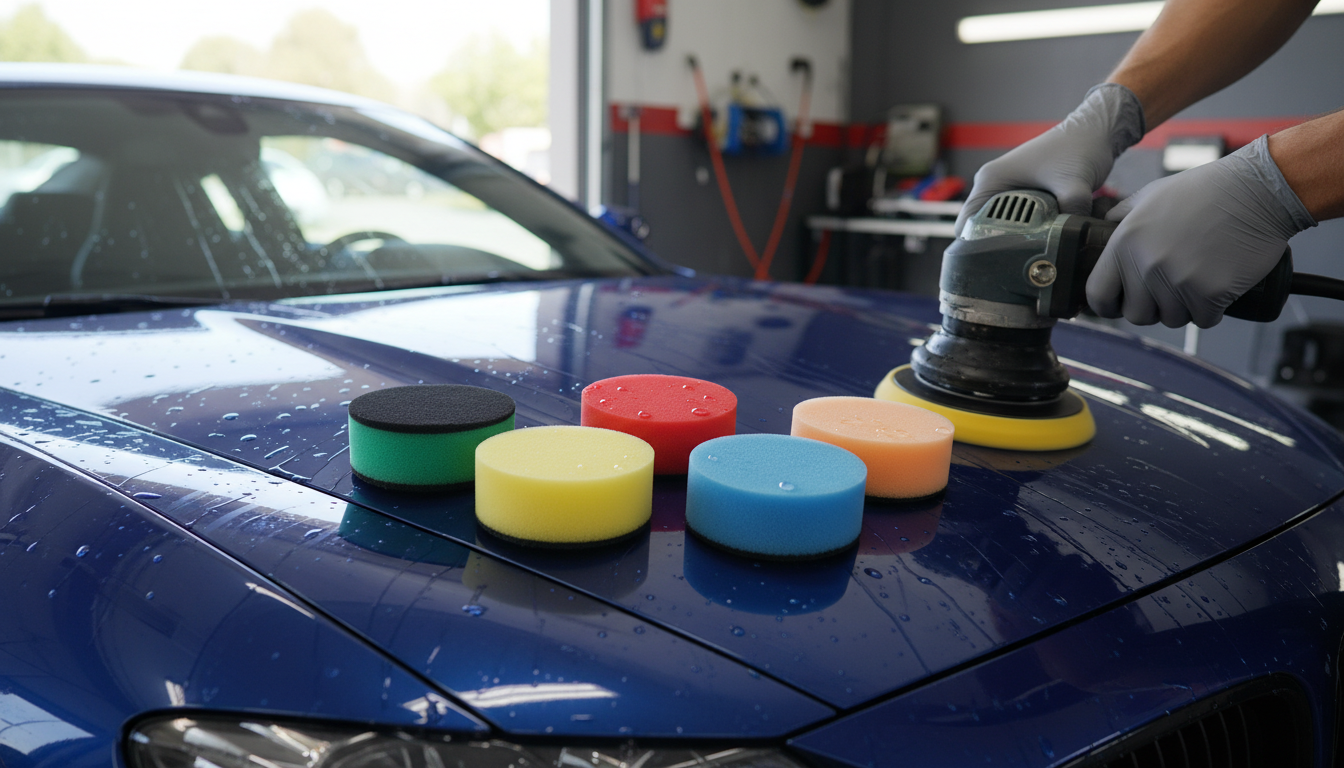
5-Piece Mini 1-Inch Foam Polishing Pads for Car Detailing and Buffing
Mini foam pads make it easier to polish tight curves, small panels, and spot-correction areas where full-size pads feel bulky. This 5-piece 1-inch set is designed for controlled cutting, polishing, and finishing with compact tools, helping improve gloss while keeping edges and trim easier to manage. For more guidance, see [PDF] Guidelines Introduction – City of New Orleans.
What’s Included and What Each Pad Is For
A 1-inch mini pad set is all about control: less pad overhang, less accidental bumping into trim, and a smaller contact patch that lets you “target” defects without chasing them across the panel. With five pads on hand, it’s also easier to keep cutting and finishing steps separated. For further reading, see New pad prep and care.
- 5-piece mini foam pad set sized at 1 inch for small-area correction
- Useful for pillars, bumpers, mirror caps, door handle cups, and wheel spokes
- Pairs well with small backing plates and compact polishers or drills (use appropriate adapters)
- Best results come from matching pad aggressiveness to the defect level and paint hardness
Mini Pad Roles at a Glance
| Pad role | When to use it | Typical result |
|---|---|---|
| Cutting / correction | Oxidation, heavier swirls, deeper haze in small areas | Maximum defect removal with lower clarity than finishing |
| Polishing | Moderate swirls, refining after cutting | Improved clarity and gloss with balanced correction |
| Finishing | Final jeweling step, softer paints, delicate areas | Highest gloss and reduced micro-marring risk |
Where Mini 1-Inch Pads Make the Biggest Difference
Standard 5–6 inch pads are great for doors, hoods, and roofs, but they can feel clumsy around body lines and tight styling. A 1-inch pad helps “shrink” the tool footprint so you can correct paint where it’s hardest to reach—and where defects stand out the most in direct light.
- Edge control: reduces accidental contact with trim compared with larger pads
- Precision correction: ideal for narrow panels and complex curves
- Spot repair: useful after sanding marks or localized scratches (after proper assessment)
- Delicate glossy areas: headlights, piano-black interior trim, and glossy pillars benefit from smaller contact patches
- Metal polishing: wheel faces, spokes, and exhaust tips become easier with compact diameter
Because the pad is small, it’s also easier to keep it flat on the surface—especially on mirror caps and bumper contours. That flat contact is what makes correction more even and reduces “hot spots” that can happen when a larger pad rides on an edge.
How to Use Mini Foam Pads Without Overheating the Surface
Small pads can correct quickly, but they can also build heat faster—especially if you run high speed, press too hard, or buff a dry pad. A careful workflow keeps results consistent and helps protect clear coat, plastics, and coated surfaces.
- Prep first: wash and decontaminate; clay if needed so the pad isn’t grinding bonded debris into paint
- Prime the pad: apply a light, even layer of product; add 2–3 small drops for each working section
- Work small zones: 4×4 inches (or smaller on edges) to keep temperature and pressure controlled
- Use light-to-moderate pressure: let the pad and compound do the work; avoid leaning on edges
- Keep the pad moving: slow arm speed with consistent overlap helps correct evenly
- Check often: wipe residue and inspect under good lighting before stepping up aggressiveness
- Finish down: after correction, switch to a finer pad/product combo for clarity and gloss
If you’re newer to machine polishing, a dual-action approach and conservative technique are a strong baseline. For more guidance on polishing fundamentals, see Meguiar’s – How to Use a DA Polisher and finishing resources from 3M – Automotive Paint Correction and Finishing Resources.
Pad Pairing: Compound, Polish, and Common Mistakes to Avoid
Mini pads respond dramatically to small changes in product choice and speed. The goal is to remove only what you need to remove, then refine to the gloss level you want.
Care and Reuse: Cleaning and Storage
Quick Product Snapshot
For tight-space correction and controlled finishing, a compact kit is an easy upgrade to a standard pad lineup. The 5Pcs Mini Foam Polishing Pads Set 1″ Car Detailing Buffing Kit is a simple way to keep multiple steps ready—without swapping and washing a single pad mid-job.
Product Details
| Item | Detail |
|---|---|
| Product | 5Pcs Mini Foam Polishing Pads Set 1″ Car Detailing Buffing Kit |
| Price | 5.51 USD |
| Availability | In stock |
| Category | Car Accessories |
Related In-Stock Picks
- 5Pcs Mini Foam Polishing Pads Set 1″ Car Detailing Buffing Kit (precision correction for tight areas)
- Crystal Moon & Star Car Vent Clips (an easy interior refresh after detailing)
FAQ
Can 1-inch foam pads be used with a drill?
Yes, with the correct backing plate and adapter. Use conservative speed, keep the pad as flat as possible, and avoid heavy pressure to reduce heat buildup and uneven correction.
How do you choose between cutting, polishing, and finishing pads?
Match the pad to the defect level: cutting for heavier defects, polishing for moderate swirls and refining, and finishing for maximum gloss with minimal haze. Start mild and step up only if needed.
How often should mini foam pads be cleaned during a job?
Clean them frequently—about every couple of small sections—so residue doesn’t clog the foam. A clogged pad runs hotter, cuts unpredictably, and can leave extra haze.















Leave a comment