Spa-Soft Pebble Memory Foam Mat with Anti-Slip Backing
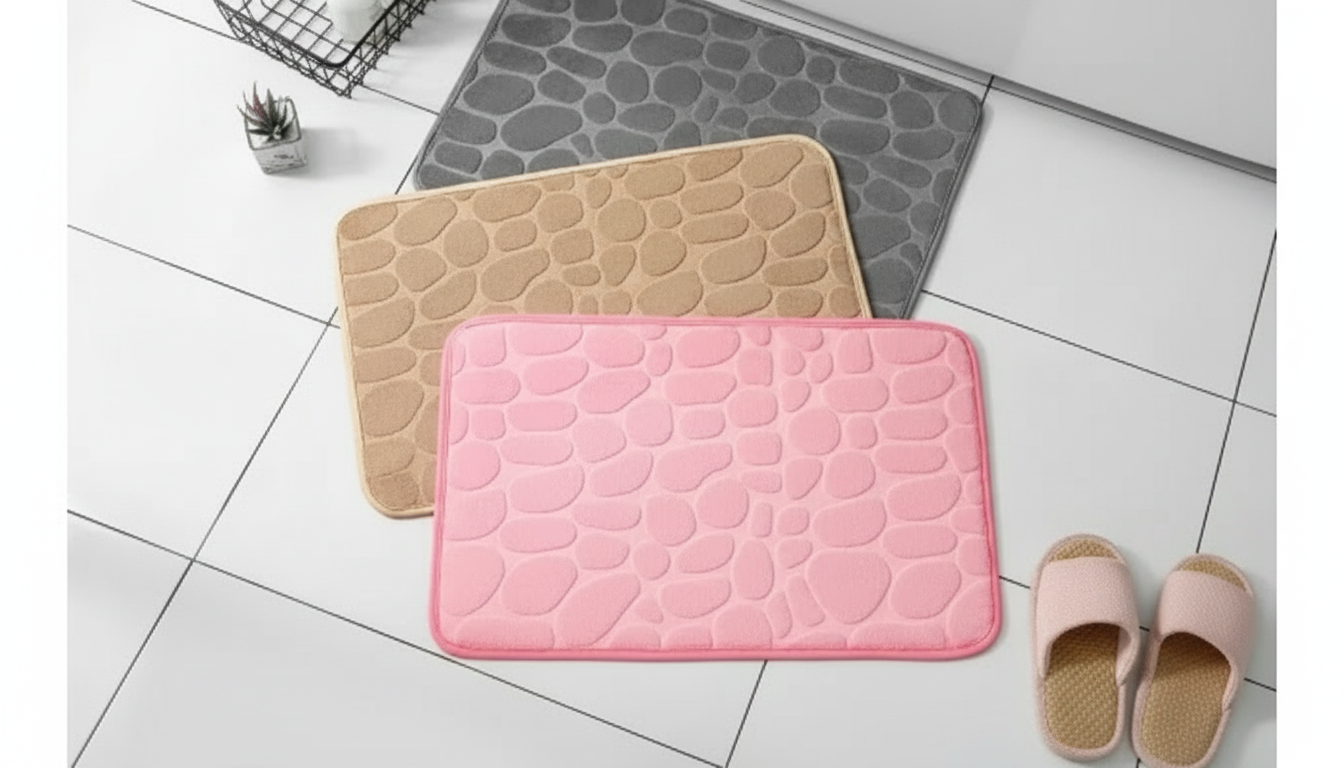
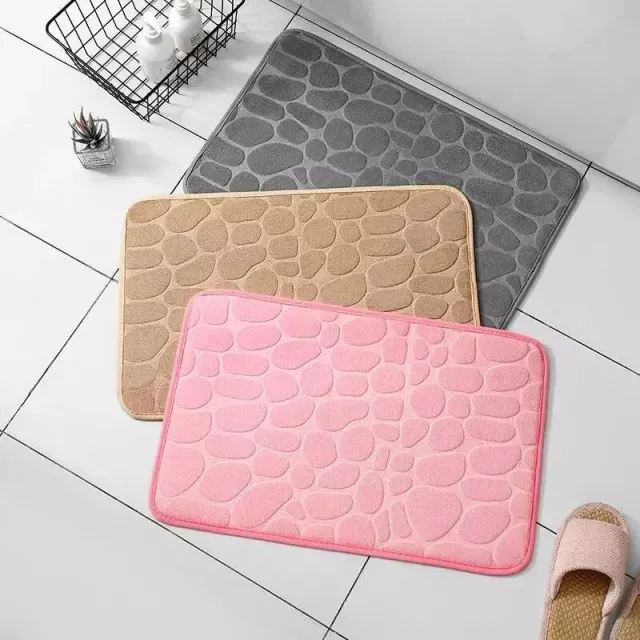
Luxury Memory Foam Pebble-Embossed Floor Mat for Bathroom & Living Room
A soft floor mat can change how a space feels—more comfortable underfoot, quieter, and safer around slippery areas. This luxury memory foam mat pairs a pebble-embossed surface with an anti-slip backing, making it a practical upgrade for bathrooms while still looking at home in entryways, bedrooms, and living rooms.
What Makes This Mat Feel Different Underfoot
Hard floors are easy to clean, but they can feel unforgiving when you’re standing in one spot—brushing teeth, styling hair, washing hands, or doing a quick wipe-down at the kitchen counter. A memory foam floor mat adds a layer of cushion that helps soften that daily routine without making the room feel cluttered.
- Memory foam cushioning helps reduce pressure on feet when standing at the sink, vanity, or kitchen counter.
- Pebble-embossed texture adds a spa-like look while helping the surface feel grippy and structured.
- Soft top layer designed for comfort when stepping out of the shower or walking barefoot.
- Low-effort refresh for small spaces where rugs typically look worn quickly.
If you like the “hotel bath” feeling at home, the pebble embossing brings visual texture without needing bold patterns—an easy way to make a bathroom feel more finished.
Where It Works Best Around the Home
While this style is a natural fit for bathrooms, it’s not limited to wet zones. Anywhere you want a softer landing spot—especially on tile, laminate, or finished wood—can benefit from a supportive, low-profile mat.
- Bathroom: in front of the shower, tub, or vanity to catch drips and add comfort.
- Living room: next to a sofa or reading chair as a cozy landing spot for bare feet.
- Entryway: helps with traction and comfort where shoes are taken off.
- Bedroom: beside the bed for a warmer step in the morning.
- Laundry area: adds cushioning where standing time can be longer.
For small apartments or busy family bathrooms, placing a comfort mat where people naturally pause (vanity, sink, shower exit) can make the whole space feel calmer and more intentional.
Anti-Slip Support and Everyday Safety
Bathrooms and kitchens are where little slips tend to happen—often from damp feet, splashes, or a quick turn on smooth tile. An anti-slip backing is intended to help keep the mat from shifting during normal use and to support steadier footing as you step on and off.
- Anti-slip backing is intended to help the mat stay in place on common indoor flooring.
- Helps reduce sudden sliding when stepping onto the mat with damp feet.
- Best performance typically comes from placing it on clean, dry floors and smoothing it flat.
- Avoid stacking on top of other rugs, which can reduce stability.
For broader guidance on preventing slips and falls indoors, the National Floor Safety Institute offers practical safety education here: https://nfsi.org/.
Care and Cleaning That Fits Real Life
A mat that feels great should also be easy to live with. The goal is to keep the pebble texture free of lint and residue so it stays pleasant underfoot and maintains a tidy look.
- Shake out or vacuum regularly to keep the pebble texture free of dust and debris.
- Spot clean small marks promptly to prevent set-in staining.
- Allow to air-dry fully after cleaning to help maintain freshness and backing grip.
- If used in the bathroom, occasional airing out can help reduce moisture buildup.
For general cleaning best practices (like addressing spills early and choosing appropriate methods), the American Cleaning Institute is a helpful reference: https://www.cleaninginstitute.org/cleaning-tips.
Quick Comparison: What to Look For in a Comfort Mat
Not all floor mats are built the same. Some prioritize plush softness, others lean into quick drying or heavy-duty traction. This simple guide helps match features to where you’ll actually use the mat day to day.
Comfort and Use-Case Guide
| Feature | Why it matters | Best placement |
|---|---|---|
| Memory foam cushioning | Softer support for feet and joints | Vanity, bedside, kitchen sink area |
| Pebble-embossed surface | Adds texture and a spa-inspired look | Bathroom, entryway, near seating |
| Anti-slip backing | Helps reduce shifting on smooth floors | Tile, laminate, finished wood |
| Quick upkeep routine | Keeps the surface feeling clean and plush | High-traffic paths and wet zones |
Styling Tips for a Spa-Calm Look (Without Replacing Everything)
The pebble-embossed design gives you texture, so the rest of your styling can stay simple. A few small adjustments can make the mat feel like part of a cohesive, relaxing setup rather than a last-minute add-on.
Product Details at a Glance
Shop In-Stock Favorites
- Luxury Memory Foam Pebble Embossed Anti-Slip Floor Mat for Bathroom & Living Room
- Spring Plaid Wide Padded Headband – Chic Cotton Blend Hair Accessory
- Retro Corduroy Hair Scrunchies & Headbands – Large, Soft & Stylish
FAQ
Can this mat be used outside the bathroom?
Yes—it’s designed for indoor floors and can work well in bedrooms, entryways, living rooms, and laundry areas. Avoid using it in constant outdoor moisture or on rough exterior surfaces that can wear materials faster.
How do you keep an anti-slip mat working well on tile?
Place it on a clean, dry tile surface and smooth it flat so the backing can make full contact. Don’t layer it over another rug, and remove dust or residue regularly since buildup can reduce grip.
What’s the easiest way to clean a memory foam floor mat?
For routine care, vacuum or shake it out to remove debris, then spot clean spills promptly. After cleaning, let it air-dry completely to help preserve the foam feel and maintain backing performance.












Leave a comment