Calm Your Mind: Guided Audio Meditation for Anxiety
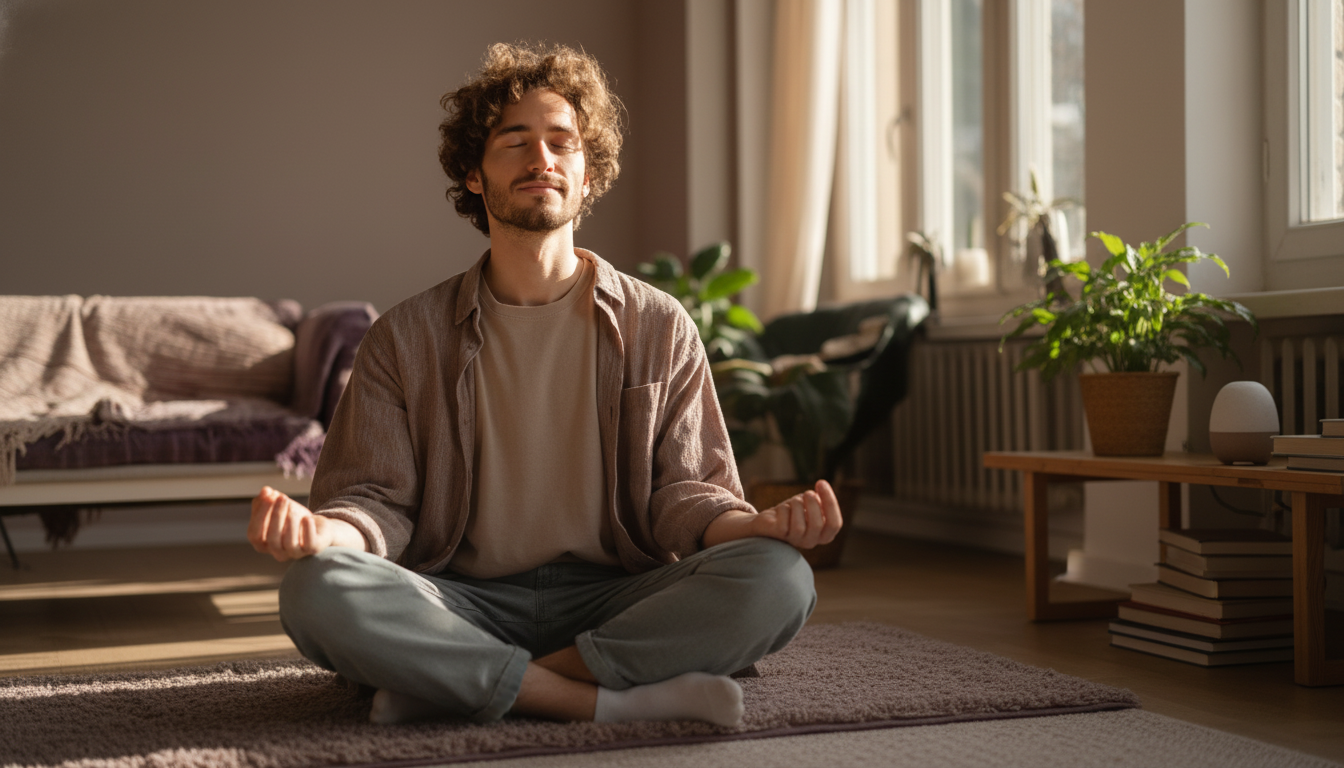
Calm Your Mind: Guided Meditation for Steadier Days
Racing thoughts, tension in the body, and a constant feeling of being “on” can make it hard to rest, focus, or fall asleep. A guided audio meditation routine can create a reliable pause in the day—one that supports calmer breathing, softer muscle tension, and a more grounded mind. This series is designed to be easy to start and simple to return to whenever anxiety rises.
Mindfulness and meditation are widely used for stress management, and many people find that guided formats make it easier to stay with the practice—especially when attention feels scattered. For a helpful overview of effectiveness and safety, see the National Center for Complementary and Integrative Health (NCCIH) and the American Psychological Association (APA).
What this guided meditation audio course helps you practice
- Downshifting from stress responses by anchoring attention on breath and body sensations
- Noticing anxious thoughts without getting pulled into them, then returning to a steady focus point
- Creating a repeatable “reset” routine for mornings, mid-day breaks, and evenings
- Building consistency: short sessions done regularly often feel more doable than occasional long sessions
Instead of trying to “empty your mind,” guided meditation tends to emphasize a simple skill: noticing what’s happening (thoughts, sensations, emotions) and repeatedly returning to something steady—like the breath, sounds, or a relaxing body scan. Over time, that repetition can feel like building a mental handrail you can reach for when stress ramps up.
Who it’s a good fit for
- People who feel overwhelmed, restless, or mentally “busy” and want a structured way to unwind
- Beginners who prefer step-by-step guidance rather than silent meditation
- Anyone who wants screen-free support (audio can be used while resting, commuting, or taking a walk where appropriate)
- Those who want a portable option that can be repeated during stressful weeks
Guided audio can also be a strong choice for anyone who struggles with consistency. When the next step is simply pressing play, it removes a lot of friction—no planning, no apps to scroll through, no extra decisions when you’re already tired.
How to use the series for a calmer routine
- Choose a consistent time: right after waking, during a lunch break, or 30–60 minutes before bed
- Set up a low-friction space: comfortable seat or lying down, notifications off, volume at a gentle level
- Use a simple intention before pressing play (examples: “slow down,” “feel steady,” “let the shoulders soften”)
- Repeat sessions when needed—repetition often increases the sense of familiarity and safety
- If anxiety spikes during practice, open the eyes, take slower breaths, and orient to the room (name 3–5 things that are visible)
Simple 7-day listening plan
| Day | When to listen | Goal | Keep it easy |
|---|---|---|---|
| Day 1 | Evening | Unwind the body | Sit or lie down; lower the lights |
| Day 2 | Morning | Start steady | One session before checking messages |
| Day 3 | Mid-day | Reset the nervous system | Pair with a short walk or stretch |
| Day 4 | Evening | Let go of mental clutter | Jot 3 worries on paper, then begin |
| Day 5 | Morning | Practice focus | Return to breath each time the mind wanders |
| Day 6 | Anytime anxiety rises | Ground in the present | Open eyes if needed; slow exhale |
| Day 7 | Evening | Review and repeat favorites | Choose the session that felt most supportive |
What to notice as progress builds
- Faster recovery after stressful moments (the “bounce back” gets shorter)
- Less muscle bracing in common tension areas like jaw, shoulders, and belly
- More space between a worry thought and the urge to react to it
- Improved ability to fall asleep or return to sleep after waking (for many people, gradual changes are more realistic than overnight shifts)
Progress can look subtle at first. One day you might catch your shoulders rising and relax them sooner. Another day you might notice a worry loop starting—and choose to pause for a few breaths instead of feeding it. Those small moments add up.
Tips to get more out of guided meditation audio
When to get extra support
Featured picks to support a calmer routine
Guided meditation you can press play on
Calm Your Mind: Guided Meditation Series (audio course) is a digital audio course designed to support relaxation and steadier attention during anxious moments. It’s easy to revisit as a daily routine or as-needed calming support, and it works especially well for beginners who prefer gentle structure and guided prompts. Price: $28.99 (in stock).
Comfort add-ons for low-distraction listening
- Spring Plaid Wide Padded Headband – Chic Cotton Blend Hair Accessory ($5.97, in stock)
- Retro Corduroy Hair Scrunchies & Headbands – Large, Soft & Stylish ($5.51, in stock)
- Crystal Moon & Star Car Vent Clips ($10.51, in stock)
FAQ
How often should guided meditation be used for anxiety?
Consistency usually matters more than session length—aim for most days of the week if possible, even if it’s just a few minutes. During stressful periods, it can also be helpful to use a short track as-needed to reset and slow down.
Is it better to meditate in the morning or at night?
Morning practice can set a calmer baseline for the day, while evening practice can help your body downshift before sleep. The best time is the one that feels easiest to repeat consistently.
What if meditation makes anxiety feel stronger at first?
It can happen because you’re noticing sensations and thoughts more clearly. Try shorter sessions, keep your eyes open if needed, and orient to the room by naming a few things you can see; if distress persists or feels intense, consider professional guidance.















Leave a comment