1.5Qt Manual Fluid Extractor Pump for Oil & Brake
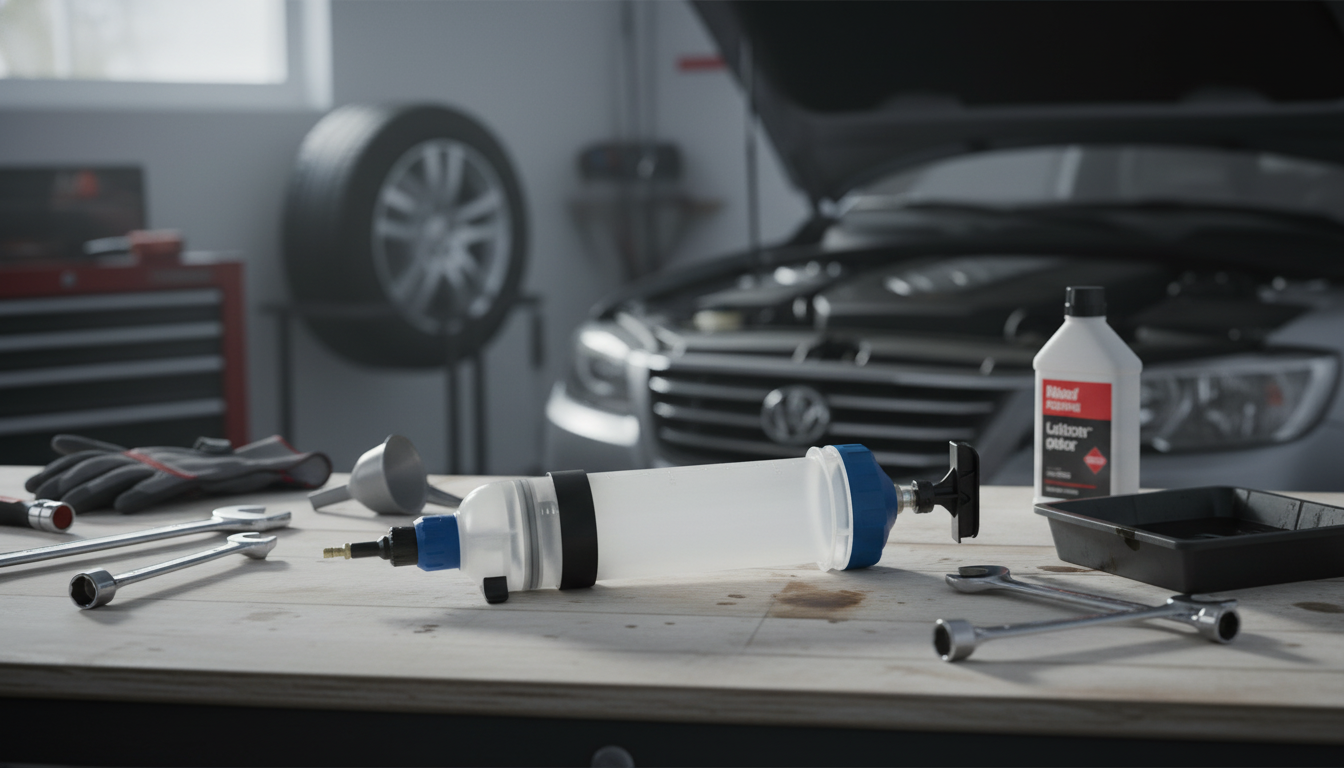
1.5Qt Manual Oil & Brake Fluid Extractor Pump Kit for Cars & Engines
Messy fluid changes can turn a quick maintenance job into a cleanup project. A compact manual extractor helps remove engine oil, brake fluid, and other automotive fluids with better control—especially in tight engine bays and reservoirs where pouring and siphoning are frustrating. This 1.5-quart hand pump kit is designed for simple, repeatable extraction and transfer, helping keep work areas cleaner while supporting routine service tasks on cars and small engines.
What this manual extractor kit is built to do
A hand-powered extractor is a practical middle ground between improvised siphons and bulky shop equipment. Instead of relying on gravity (and the splash risk that comes with it), you create suction on demand and stop exactly when the level is where you want it.
- Extract small-to-medium amounts of fluid from reservoirs, housings, and hard-to-reach locations
- Support common DIY maintenance tasks: brake fluid reservoir service, small engine oil changes, and fluid transfer
- Use hand-powered pumping for controlled suction without electricity or compressed air
- Help reduce spills compared with open draining or improvised siphons
Capacity, fit, and what 1.5Qt means in real use
At 1.5 quarts, this extractor is sized for precision work and routine upkeep. That capacity is often ideal when you’re dealing with reservoirs, partial fluid swaps, or compact equipment—while still being capable of handling larger jobs in stages.
For brake fluid service, you’re typically removing small amounts from the master cylinder reservoir before topping up with fresh fluid and completing the correct bleed/flush procedure. For small engines (mowers, generators, snow blowers), total oil volume is frequently within a few quarts, so a 1.5-quart extractor can be a convenient match. For full-size vehicle engine oil changes, it may still work, but plan on multiple empty-and-repeat cycles depending on the engine’s oil capacity and whether dipstick-tube extraction is feasible on your vehicle.
Typical tasks and whether 1.5Qt capacity is a good match
| Task | Typical fluid amount | Fit for 1.5Qt extractor | Notes |
|---|---|---|---|
| Brake fluid reservoir exchange | Low (reservoir volume) | Good | Remove old fluid before bleeding/flush steps; avoid introducing air into the master cylinder. |
| Power steering reservoir extraction (where applicable) | Low to moderate | Good | Works well for turkey-baster style swaps; follow vehicle procedure. |
| Small engine oil change (mowers, generators, etc.) | Moderate | Good | Confirm oil capacity; multiple pulls may be needed. |
| Passenger car engine oil change (full) | Moderate to high | Sometimes | May require repeated emptying depending on engine oil capacity and access to dipstick tube extraction. |
What’s included and how the kit is typically used
Manual extractors are straightforward by design. The goal is repeatability: the same steps, the same control, and fewer surprises.
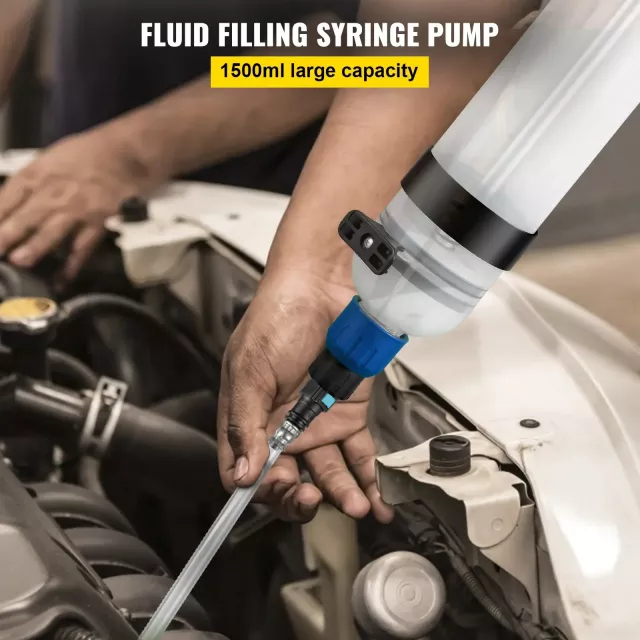
- Hand pump body with collection container
- Hoses/tubing for reaching into reservoirs or dipstick tubes (match tubing size to the port/opening)
- Basic workflow: insert tube → pump to create suction → monitor flow → stop at target level → transfer/dispose safely
- Label and dedicate tubing for specific fluids when possible to avoid cross-contamination (especially brake fluid vs. oils)
If you’re looking for a compact, no-power option for routine extraction and transfer, see the 1.5Qt Manual Oil & Brake Fluid Extractor Pump Kit for Cars & Engines.
Brake fluid handling: clean technique and safety notes
Brake fluid maintenance is all about cleanliness. Contamination and moisture absorption can reduce performance, and accidental drips can damage paint.
- Brake fluid can damage paint; protect fenders and wipe spills immediately with appropriate cleaner
- Use only the brake fluid type specified by the vehicle (DOT 3/DOT 4/DOT 5.1 are not the same as DOT 5 silicone)
- Keep containers closed—brake fluid absorbs moisture, which can reduce braking performance over time
- Dispose of used fluids according to local hazardous waste guidance; do not pour into drains or onto ground
For brake fluid standards and labeling, reference NHTSA FMVSS No. 116 — Motor Vehicle Brake Fluids.
Tips for better suction and fewer spills
Small details make a big difference with hand pumps. A stable tube connection and steady pumping usually outperform fast pumping, which can introduce bubbles and reduce consistent flow.
When working in tight spaces, small accessories can help keep the area organized and reduce accidental bumps. If you want a simple interior add-on while you’re tidying up your vehicle, consider Crystal Moon & Star Car Vent Clips.
Care, storage, and long-term reliability
When this kit is the right choice
For best practices on storing and recycling used oil after extraction, see the EPA guidance on Managing Used Oil.
FAQ
Can this be used to remove brake fluid without bleeding the brakes?
It can remove old fluid from the brake fluid reservoir, but it won’t replace the fluid inside the brake lines and calipers. For a true fluid exchange, follow the correct flush/bleed procedure and avoid letting the reservoir run low, which can introduce air into the system.
Is a 1.5Qt extractor enough for an engine oil change?
It depends on your engine’s oil capacity and whether you can extract through the dipstick tube. Many cars hold more than 1.5 quarts, so you may need to empty the extractor and repeat; small engines are often a better match.
How should used oil and brake fluid be disposed of after extraction?
Store each fluid in a sealed, clearly labeled container and keep them separate (don’t mix oil and brake fluid). Take them to a local recycling or hazardous-waste drop-off site, following your area’s rules and accepted materials.















Leave a comment