6-in-1 Cordless Stick Vacuum: 20KPa, 40-Min Runtime
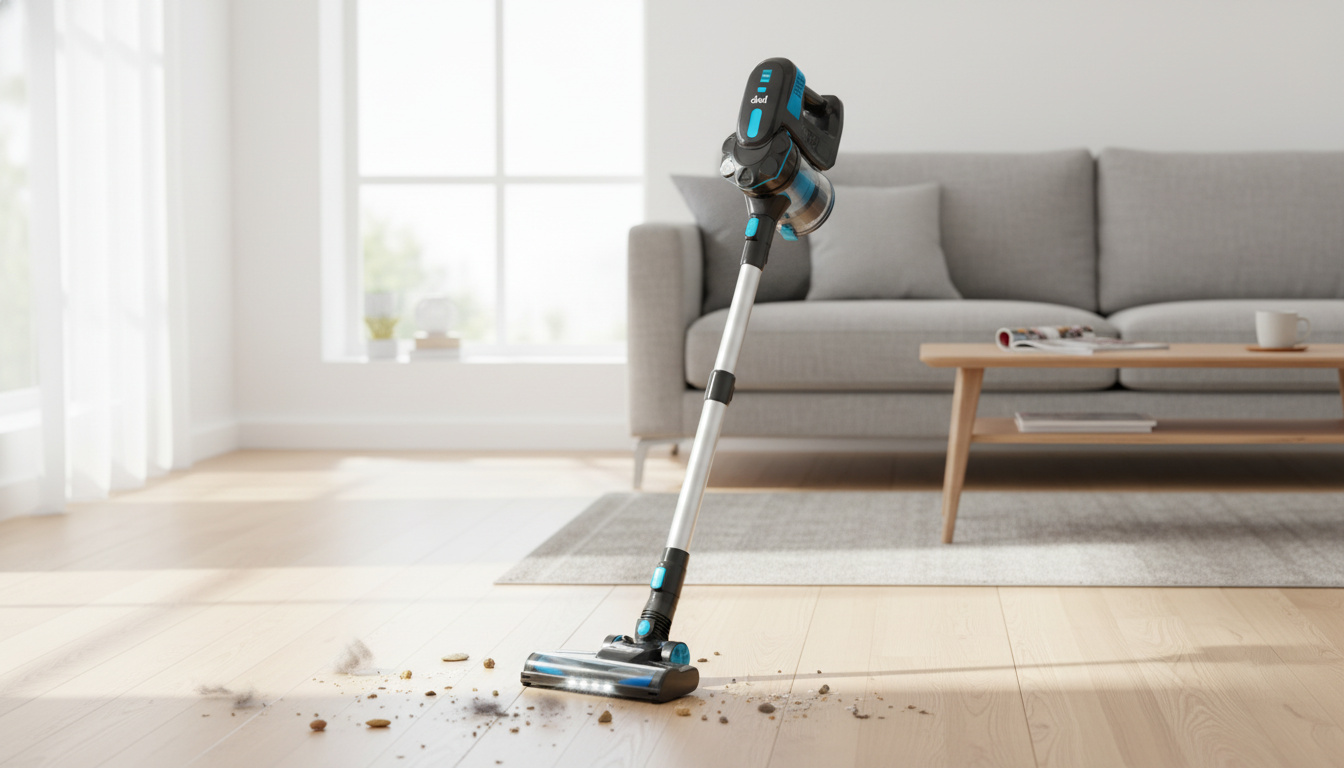
6-in-1 Cordless Cleaning for Fast, Everyday Resets
A lightweight cordless stick vacuum can simplify daily cleanup when it balances suction, battery life, and practical attachments. This 6-in-1 model pairs up to 20KPa suction with up to 40 minutes of runtime, aiming to handle quick floor passes, spot messes, and above-floor dust without dragging out a full-size vacuum. For busy kitchens, pet-prone corners, and car mats that seem to collect debris overnight, a grab-and-go tool often gets used more consistently—and that consistency is what keeps a home looking “just cleaned” most days of the week.
What the 6-in-1 design is made for
The core advantage of a 6-in-1 cordless vacuum is versatility without the storage footprint of multiple tools. Instead of switching between a broom, a dustpan, a handheld vacuum, and a bulky upright, this type of system is built to adapt quickly to the space in front of you.
- Switches between stick and handheld-style cleaning for floors, furniture, shelves, and car interiors.
- Cordless operation reduces setup time for quick pickups in kitchens, entryways, and living areas.
- Multiple attachments help reach corners, edges, upholstery seams, and tight gaps.
- Best fit for routine maintenance cleaning; deep-cleaning thick carpet may require slower passes and targeted mode selection (if available).
If most of your cleaning is hard floors, low-pile rugs, and “where did that dust come from?” surfaces like baseboards and shelves, a modular cordless vacuum can cover an impressive amount of ground in a short window.
Suction power: what 20KPa can handle day to day
Headline suction numbers can be helpful, but day-to-day results also depend on airflow, brush/head design, and how clean the filter and air path remain. With up to 20KPa suction, the practical expectation is strong pickup on common household debris—especially on hard floors and low-pile rugs.
- Good for hard floors, low-pile rugs, crumbs, dry pet hair, and dust buildup along baseboards.
- For heavier debris (cat litter, cereal, tracked-in grit), use slower strokes and keep the head flat to maintain airflow.
- Clogs, overfilled bins, and dirty filters reduce effective suction faster than many people expect—maintenance matters as much as the headline number.
- If cleaning performance drops, check the nozzle pathway and any bend points first (they’re common choke areas).
| Mess type | Where it shows up | Best approach |
|---|---|---|
| Fine dust | Hard floors, shelves, vents | Use steady passes; clean filters regularly for consistent airflow |
| Crumbs & dry food | Kitchen, dining area | Short, slow strokes; angle the head to pull debris from edges |
| Pet hair | Rugs, sofas, bedding edges | Use the right attachment; empty bin before hair compacts |
| Tracked-in grit | Entryways | Do two passes in opposite directions to lift embedded particles |
For dust control—especially if allergies are a concern—consistent removal of dust and the particles that feed it matters. General guidance from the EPA highlights the importance of regular cleaning and dust control as part of reducing common indoor triggers. EPA dust mite and dust control guidance offers practical, household-level steps that pair well with frequent quick vacuuming.
Battery runtime: making 40 minutes work in real homes
“Up to 40 minutes” is typically measured on a lower-power mode in controlled conditions, which is still useful because many daily messes on hard floors don’t require maximum suction. The real win is being able to move from room to room without hunting for outlets or dragging a cord around table legs.
- Up to 40 minutes is typically achieved on lower-power settings; higher power reduces runtime but improves pickup on rugs.
- For apartments and quick daily resets, a longer low-power runtime can be more useful than short bursts of maximum suction.
- Planning helps: do hard floors first (faster coverage), then rugs and upholstery (slower, more targeted work).
- Battery longevity improves when avoiding repeated full depletion and storing the vacuum in a cool, dry place.
If you’re trying to stretch runtime, focus on efficiency: pick up the big pieces by hand first (if safe), then vacuum in long, deliberate lanes rather than quick back-and-forth flicks. For longer-term battery health, Battery University’s recommendations for lithium-based batteries emphasize minimizing extreme charging habits and heat exposure when possible. Battery University: prolonging lithium-based batteries is a helpful deep dive.
Attachments and everyday use cases
The “6-in-1” idea becomes most valuable when you match the tool to the surface. Using the right attachment often improves results more than repeatedly re-vacuuming with the wrong head.
Maintenance that keeps suction strong
Who this vacuum is a strong match for
In-stock picks to simplify daily cleanup
- 6-in-1 Cordless Stick Vacuum Cleaner with 20KPa Suction & 40min Runtime — a practical all-in-one option for floors, furniture, and quick handheld jobs.
- Crystal Moon & Star Car Vent Clips — an easy add-on for a tidier-looking car interior after you vacuum the seats and mats.
FAQ
How long does 40 minutes of runtime last in real use?
The maximum runtime is usually measured on a lower-power setting, so real-world time often drops when you use higher suction on rugs or thicker debris. Floor type, attachment choice, and how often you pause and restart can also shorten effective runtime.
Is 20KPa suction enough for carpets and pet hair?
It’s typically strong for hard floors and low-pile rugs, and it can handle pet hair well when you use the right attachment and keep the air path clean. Thicker carpets often require slower passes and higher power for better pickup.
What maintenance helps prevent loss of suction?
Empty the bin before it gets packed, clean or replace filters on schedule, and check the wand and floor head for clogs. Removing hair wraps from brush components and keeping seals clean also helps maintain airflow.















Leave a comment