8KW All-in-One Diesel Air Heater: 12V/24V/220V Guide
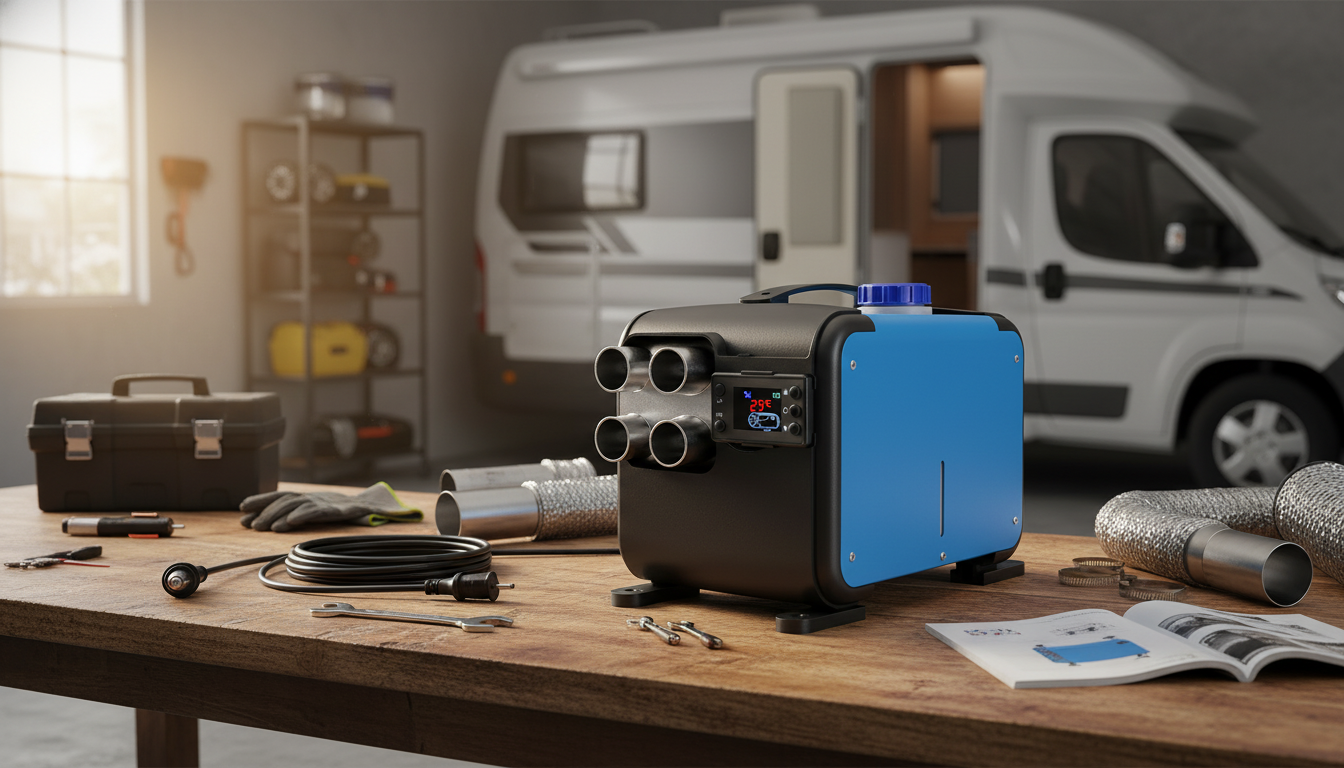
12V/24V/220V 8KW All-in-One Diesel Air Heater for Cars, Buses, and RVs
Reliable heat can turn cold-weather driving, overnight parking, and winter camping into comfortable, safer time on the road. An all-in-one diesel air heater combines the heater core, pump, fuel system, and controls into a compact unit designed to warm cabins quickly while keeping fuel use efficient and installation straightforward across many vehicle types.
What an all-in-one diesel air heater does
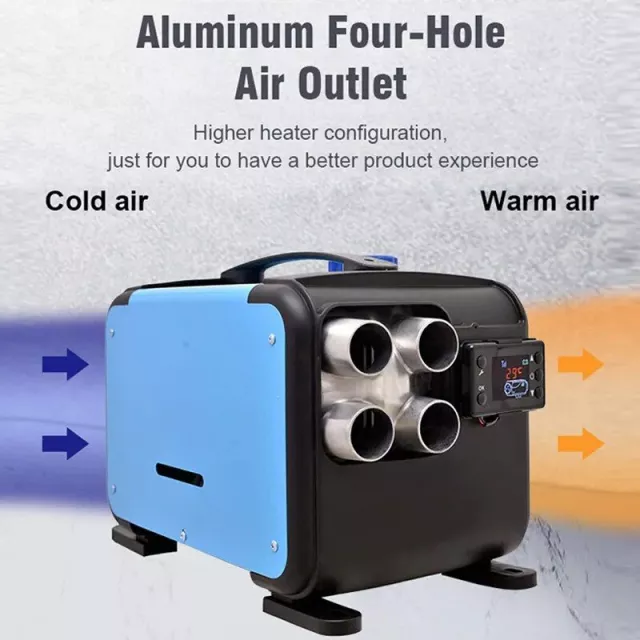
An all-in-one diesel air heater warms interior air by burning diesel fuel inside a sealed combustion chamber while a separate fan pushes clean, heated air into the cabin. When installed correctly, combustion air and exhaust stay isolated from the living space—one of the main reasons these heaters are popular for overnight stops and off-grid travel.
- Heats cabin air with a sealed burn process while delivering clean, warmed air through ducting and vents
- Keeps combustion air intake and exhaust outside the occupied area when routed properly
- Supports steady background heat during rest stops, job sites, idling restrictions, and winter camping
- All-in-one format reduces separate components to mount compared with split systems
Where it fits best: cars, buses, and RVs
Cars and vans
For daily drivers, vans, and small work rigs, a diesel air heater can take the sting out of cold mornings and make defrost time more comfortable. It’s also useful for overnight parking because it can provide heat without running the engine continuously (always verify local regulations and choose safe, legal parking locations).
RVs and camper vans
In RVs, a dedicated diesel air heater is a practical option for shoulder seasons and winter trips, especially when shore power is limited. With better control over cabin temperature, it’s easier to manage condensation and comfort—particularly when paired with window covers and draft reduction.
Buses, larger cabins, and commercial platforms
For buses and larger interior volumes, higher output can help maintain warmth, but results depend heavily on ducting choices. Planning air delivery to key zones (driver area, sleeping area, main aisle) typically improves comfort more than simply running at maximum output.
Work vehicles and job sites
For trucks and work vehicles that sit for long stretches, cabin heat without extended idling can improve comfort and reduce engine wear associated with cold idle cycles.
Power options explained: 12V, 24V, and 220V
Multi-power operation makes an all-in-one heater easier to integrate into different platforms. The best option depends on your electrical system and how you plan to use the heater—driving days, overnight stops, or long stationary periods.
- 12V is common in cars, vans, and many RV house battery setups.
- 24V is typical for buses, trucks, and commercial fleets.
- 220V can be useful on shore power (or a compatible inverter setup) to reduce battery draw while parked.
- Confirm supported input modes and match fuse size and cable gauge to the selected power source.
| Power mode | Typical vehicle setup | Best for | Planning notes |
|---|---|---|---|
| 12V | Passenger vehicles, vans, many RV house batteries | Overnight parking, weekend trips | Prioritize battery capacity and low-voltage protection; keep wiring runs short |
| 24V | Buses, trucks, commercial platforms | Larger cabins and fleet use | Match to 24V electrical system; verify connectors and fuse ratings |
| 220V | Shore power at campgrounds/garages | Extended stationary heating | Use proper grounding and safe routing; confirm compatibility with site voltage and adapter needs |
Comfort and noise: what “quiet” usually depends on
Noise complaints are often less about the heater’s heat output and more about how components are mounted and how air is routed. The most common sound sources include the fuel pump and airflow through ducts and vents.
Efficiency and real-world run time planning
Installation overview: key steps that prevent common problems
Safety essentials for heated cabins
- Install a working carbon monoxide (CO) alarm in the occupied space and test it regularly. For prevention guidance, review CDC carbon monoxide poisoning prevention and NFPA carbon monoxide safety.
- Do not operate the heater in enclosed spaces without proper ventilation of exhaust to the outside.
- Inspect exhaust, clamps, and gaskets periodically; replace worn parts immediately.
- Keep flammable items away from hot ducts and outlets; never cover vents.
- Follow local laws and parking rules regarding overnight operation and idling alternatives.
Recommended unit: 8KW all-in-one diesel air heater (12V/24V/220V)
Consider the 12V/24V/220V 8KW all-in-one diesel air heater for a streamlined setup that’s designed for efficient, steady cabin heat.
For small cabin comfort touches that pair well with a warm interior, see Crystal Moon & Star Car Vent Clips and the Retro Corduroy Hair Scrunchies & Headbands for travel days and chilly commutes.
FAQ
Is it safe to sleep in an RV with a diesel air heater running?
It can be safe when the heater is installed correctly with sealed combustion, a properly routed exhaust to the outside, and a working CO alarm inside the RV. Inspect exhaust clamps and gaskets regularly and follow the manufacturer’s installation and operating instructions every time you run it overnight.
Can the heater run from a vehicle battery overnight?
Often yes, but overnight performance depends on battery capacity, battery health, and proper wiring because startup draw is higher than steady-state running. Improving insulation and reducing drafts lowers the heater’s workload and helps extend run time.
What causes excessive noise or vibration?
Common causes include fuel pump ticking resonating through body panels, poor mounting isolation, and duct/vent turbulence from tight bends or restrictive outlets. Checking for loose fasteners, correcting pump mounting angle, and improving vibration damping typically reduces noise significantly.















Leave a comment