Adjustable Safety Locks for Cabinets, Drawers & Appliances
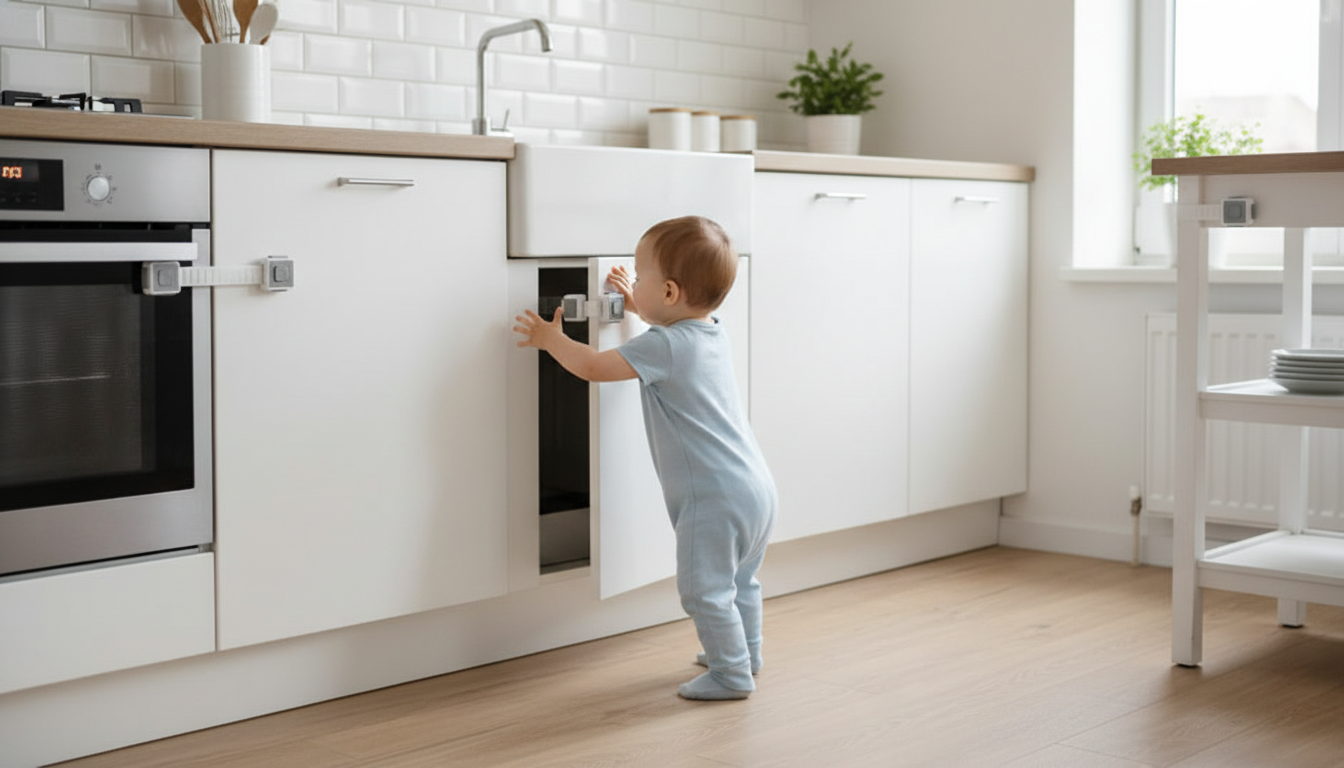
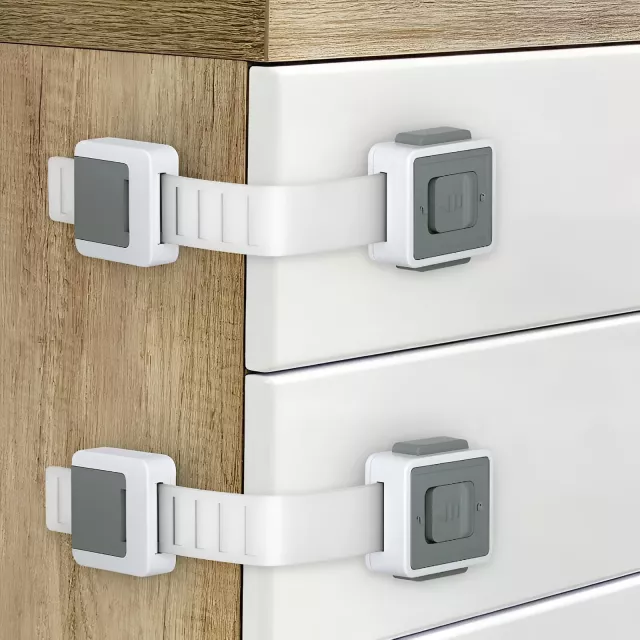
Adjustable Child Safety Locks for Cabinets, Drawers & Appliances
Curious hands can find sharp tools, cleaners, and pinch points in seconds. Adjustable safety locks help reduce access to cabinets, drawers, and certain appliances while keeping daily routines practical for adults. The right setup depends on surface type, door style, and how often the area needs to be opened.
What Adjustable Safety Locks Do Best
Adjustable strap-style child safety locks are designed for homes where storage layouts vary from room to room. Instead of relying on a single fixed size, an adjustable strap can bridge different gaps and handle positions, helping you create a consistent childproofing plan.
- Add a barrier between children and common household hazards like detergents, medications, small choking hazards, and sharp utensils
- Adapt to different gaps and configurations with an adjustable strap length
- Work across multiple areas: double doors, drawer pulls, cabinet knobs, and some appliance handles
- Support consistent childproofing in rentals and frequently reorganized spaces when using adhesive-backed options
For broader home safety guidance, see resources from the American Academy of Pediatrics and the U.S. Consumer Product Safety Commission.
Where These Locks Are Most Useful
Many families start in the kitchen, then expand to bathrooms and laundry storage. The goal is to reduce quick, unsupervised access to items that can cause poisoning, choking, cuts, or burns.
- Kitchen: under-sink cabinets (cleaners), knife/utensil drawers, pantry doors with snacks or small items
- Bathroom: vanity drawers, cabinets with cosmetics and medications (store medications securely as well)
- Laundry area: cabinets with pods and detergents; keep products in original containers and out of reach
- Living spaces: media cabinets, display storage with batteries, candles, and small parts
- Appliances: some models can help limit access to refrigerator doors, dishwashers, or ovens when compatible with handle shape and heat exposure (follow manufacturer guidance)
Common placements and what to check first
| Location | Typical hazard | Fit check | Setup tip |
|---|---|---|---|
| Under-sink cabinet | Cleaners, dishwasher pods | Smooth surface; door alignment | Clean and dry surfaces fully before applying adhesive |
| Utensil drawer | Knives, peelers, scissors | Front face clearance; pull style | Mount to keep strap out of pinch path |
| Pantry doors | Choking hazards, glass jars | Knob/handle spacing | Use shortest strap length that still latches easily |
| Bathroom vanity | Medications, razors | Humidity and finish type | Allow full cure time for adhesive; avoid textured wood grain |
| Appliance handle area | Hot/cold access, chemicals, pinch points | Handle geometry; heat/steam zones | Keep adhesive away from heat vents and high-temperature surfaces |
Features That Make a Lock Easier to Live With
The best childproofing setup is the one that stays in use. Look for features that keep the lock secure while still being manageable for adults during busy moments like meal prep, bath time, and laundry cycles.
- Adjustable strap range: shorter settings reduce slack that can snag or tempt pulling
- One-hand adult operation: helpful when carrying a child or items
- Strong adhesive pads: look for secure bonding on common finishes; avoid using on flaking paint or oily surfaces
- Rounded edges and low profile: reduces bumping and discourages picking
- Multi-surface compatibility: works on flat cabinet faces, drawer fronts, and some appliance exteriors
- Optional screw mounting (if included): adds long-term holding power on wood cabinetry; use carefully to avoid splitting thin panels
Installation That Holds Up Over Time
Adhesive-backed locks can be reliable when surface prep and placement are done carefully. A few minutes of planning can prevent early peeling, shifting, or latches that feel awkward enough to skip.
- Prep surfaces: wipe with isopropyl alcohol and let dry to remove oils and residue
- Plan placement: confirm the latch can close without twisting and that doors/drawers can’t open far enough to access contents
- Apply firm pressure: press pads evenly and hold for the time recommended by the manufacturer
- Wait before stress-testing: allow adhesive to cure before repeated openings, especially in humid rooms
- Test adult access: ensure the release is consistent so the lock doesn’t get abandoned during busy moments
- Re-check monthly: adhesive wear, shifting, or child tampering can reduce effectiveness
Everyday Use and Safety Notes
- Locks reduce access but don’t replace supervision or safe storage; place high-risk items up high or in a locked box when possible
- Keep one “adult-only” cabinet for frequently used hazardous items to reduce repeated unlocking elsewhere
- Teach older siblings: explain which cabinets are off-limits to prevent accidental openings
- If a lock loosens, remove and replace rather than stacking extra tape or glue
- For appliances: confirm the lock won’t interfere with seals, vents, or emergency access
Recommended In-Stock Picks
- Adjustable Child Safety Locks for Cabinets, Drawers & Appliances — an adjustable strap-style option designed to help secure cabinets, drawers, and compatible appliances.
- Retro Corduroy Hair Scrunchies & Headbands – Large, Soft & Stylish — a simple everyday accessory for busy parents managing quick routines.
Adjustable Child Safety Locks for Cabinets, Drawers & Appliances (Product Overview)
At-a-glance details
| Item | Details |
|---|---|
| Product | Adjustable Child Safety Locks for Cabinets, Drawers & Appliances |
| Price | $3.01 USD |
| Availability | In stock |
| Category | Baby Care |
| Product page | View product |
FAQ
Do adhesive child safety locks damage cabinets when removed?
They can, depending on the cabinet finish and the adhesive type. For gentler removal, warm the pad with a hair dryer on low, peel slowly, and clean leftover residue with a finish-safe remover after testing in an inconspicuous spot; weak paint or thin veneer has a higher risk of lifting.
How long should adhesive locks cure before using them?
Follow the included instructions, since cure times vary by adhesive and surface. Many adhesive pads reach a stronger bond after several hours up to 24 hours, and humidity or cooler temperatures can extend the time needed.
Can adjustable locks be used on appliances like refrigerators or ovens?
Sometimes, but it depends on handle shape, surface material, and heat or steam exposure. Keep adhesive away from hot zones and vents, make sure the strap doesn’t interfere with seals, and always follow manufacturer guidance for appliance compatibility.















Leave a comment