Adjustable SI Joint Belt: Pelvic Support for Sciatica
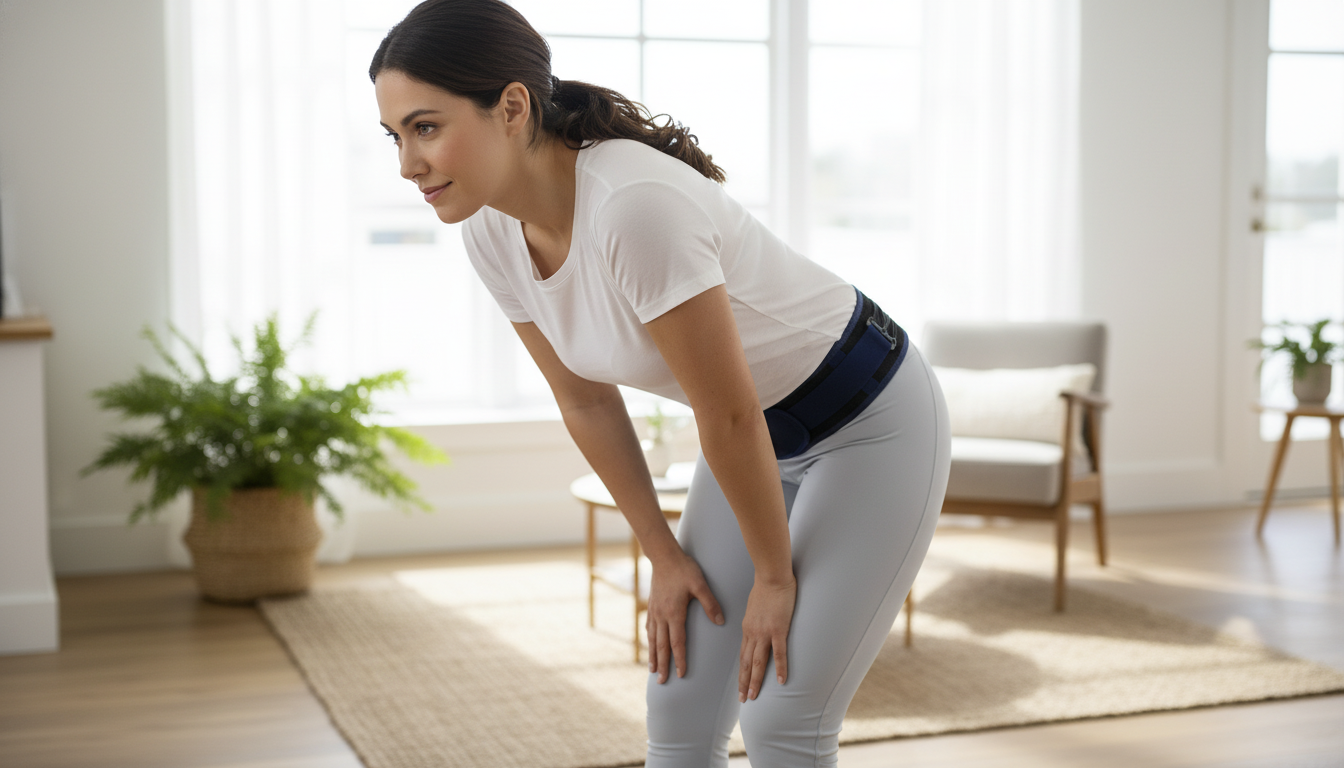
Adjustable SI Joint & Pelvic Support Belt for Lower Back and Sciatica Relief
Pain that starts around the back of the pelvis and radiates into the low back, hip, or leg can make everyday movement feel unpredictable. When the sacroiliac (SI) joint is irritated or unstable, targeted compression around the pelvis may help reduce micro-movement, ease strain, and support more comfortable walking, standing, and lifting. An adjustable SI joint and pelvic support belt is designed to sit low on the hips (not the waist), providing focused stabilization where the body needs it most.
If you’re trying to understand whether SI joint support could help your day-to-day comfort, it can be useful to compare symptom patterns with practical goals. For more background on SI joint pain and typical causes, see the Cleveland Clinic’s overview of sacroiliac (SI) joint pain. For radiating leg symptoms, Mayo Clinic’s summary of sciatica is a helpful starting point.
When a pelvic support belt can help
A pelvic support belt is often used as a comfort-focused aid during activities that stress the SI region. It may be worth considering if you notice any of the following:
- SI joint irritation or suspected SI joint dysfunction with pain near the “dimples” of the low back, one-sided buttock pain, or pain that worsens with standing, stairs, or rolling in bed
- Sciatica-like symptoms that feel aggravated by pelvic instability (always evaluate persistent numbness, weakness, or severe radiating pain with a clinician)
- Postpartum pelvic girdle discomfort where added pelvic compression feels supportive during walking and daily tasks
- Jobs or routines that involve prolonged standing, frequent bending, or light-to-moderate lifting where extra pelvic stability can reduce fatigue
- Sport and training scenarios (running, hiking, gym work) when used as a temporary aid alongside mobility and strengthening work
Common discomfort patterns and practical belt goals
| What it feels like | Typical trigger | Belt goal | Helpful pairing |
|---|---|---|---|
| One-sided low back/buttock ache near the SI area | Standing on one leg, stairs, long walks | Limit painful shear at the SI joint with low-hip compression | Glute medius and core stabilization exercises |
| Pain that flares with turning in bed or getting in/out of a car | Twisting or asymmetric movements | Improve pelvic “closure” and reduce sudden joint shift | Hip mobility + controlled movement cues |
| Postpartum pelvic heaviness/ache | Long periods on feet, carrying baby | Gentle, adjustable support without high abdominal pressure | Pelvic floor rehab guidance |
| Radiating discomfort down the leg | Sitting-to-standing transitions, prolonged sitting | Reduce pelvic irritation that may contribute to symptoms | Clinical assessment; nerve-friendly movement breaks |
How an adjustable SI joint belt works
Unlike a traditional lumbar brace that wraps higher on the waist, an SI joint belt is meant to sit low around the pelvis. That placement matters because the SI joints are located where the sacrum meets the pelvic bones—so the goal is to support the ring of the pelvis itself.
- Low placement targets the SI joints: Wearing the belt around the iliac crests (top of the hip bones) may provide more direct support than a high-waist brace.
- Compression can boost body awareness: Gentle pressure can increase proprioception, helping you move with better symmetry during steps, pivots, and transitions.
- Stabilization may reduce painful micro-movement: Many people notice the biggest difference during walking, stairs, standing tasks, and getting in/out of chairs.
- Adjustability is key: The right tension should feel stable—not like it’s restricting breathing, causing pinching, or making the legs feel tingly.
- Best as part of a broader plan: Many routines improve when belt use is paired with progressive strengthening (glutes, deep core) and activity modification.
Key features to look for in a pelvic support belt
- Wide, non-slip design: Helps the belt stay anchored on the hips without riding up during movement.
- Micro-adjustability: Useful for dialing support up for chores or walks and reducing compression when sitting.
- Breathable materials: Helps limit heat buildup during longer wear.
- Low-profile fit: Easier to wear under clothing for work, errands, or travel days.
- Secure fastening: Hook-and-loop closures should hold tension during movement without frequent readjustment.
How to wear it for comfort and stability
Product spotlight: Adjustable SI Joint & Pelvic Support Belt
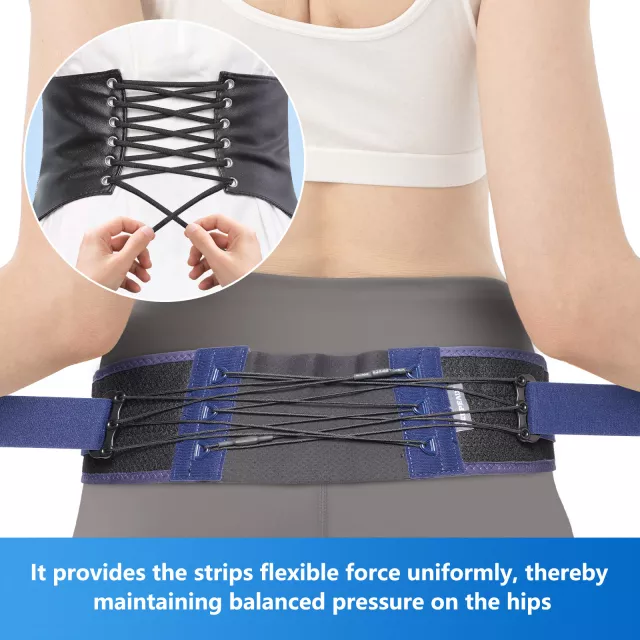
If you want targeted pelvic compression without the bulk of a high-waist brace, the Adjustable SI Joint & Pelvic Support Belt for Lower Back and Sciatica Relief is designed to sit low on the hips and support the SI region during daily movement. The adjustable fit makes it easier to fine-tune support as symptoms fluctuate—snug for activity, eased for rest—so you can focus on moving more comfortably.
Quick specs snapshot
| Item | Details |
|---|---|
| Product | Adjustable SI Joint & Pelvic Support Belt for Lower Back and Sciatica Relief |
| Price | $26.51 USD |
| Availability | In stock |
| Product page | View details |
More in-stock finds
- Crystal Moon & Star Car Vent Clips
- Spring Plaid Wide Padded Headband – Chic Cotton Blend Hair Accessory
- Retro Corduroy Hair Scrunchies & Headbands – Large, Soft & Stylish
When to pause use and get medical guidance
For a general overview of back pain red flags and when to get help, NIH MedlinePlus offers a clear resource on back pain.
FAQ
Where should an SI joint belt sit—on the waist or hips?
Low on the hips, wrapping the pelvis near the top of the hip bones. It shouldn’t sit high on the waist like a lumbar brace.
How tight should a pelvic support belt be?
Snug enough to feel stable during walking and transitions, but not so tight that it causes numbness, tingling, pinching, or restricted breathing.
Can a pelvic support belt help sciatica?
It may help when symptoms are aggravated by pelvic/SI irritation or instability, but true nerve compression needs proper evaluation. Stop and seek care if neurological symptoms worsen.















Leave a comment