Compact USB Water Flosser (140 mL) for Travel
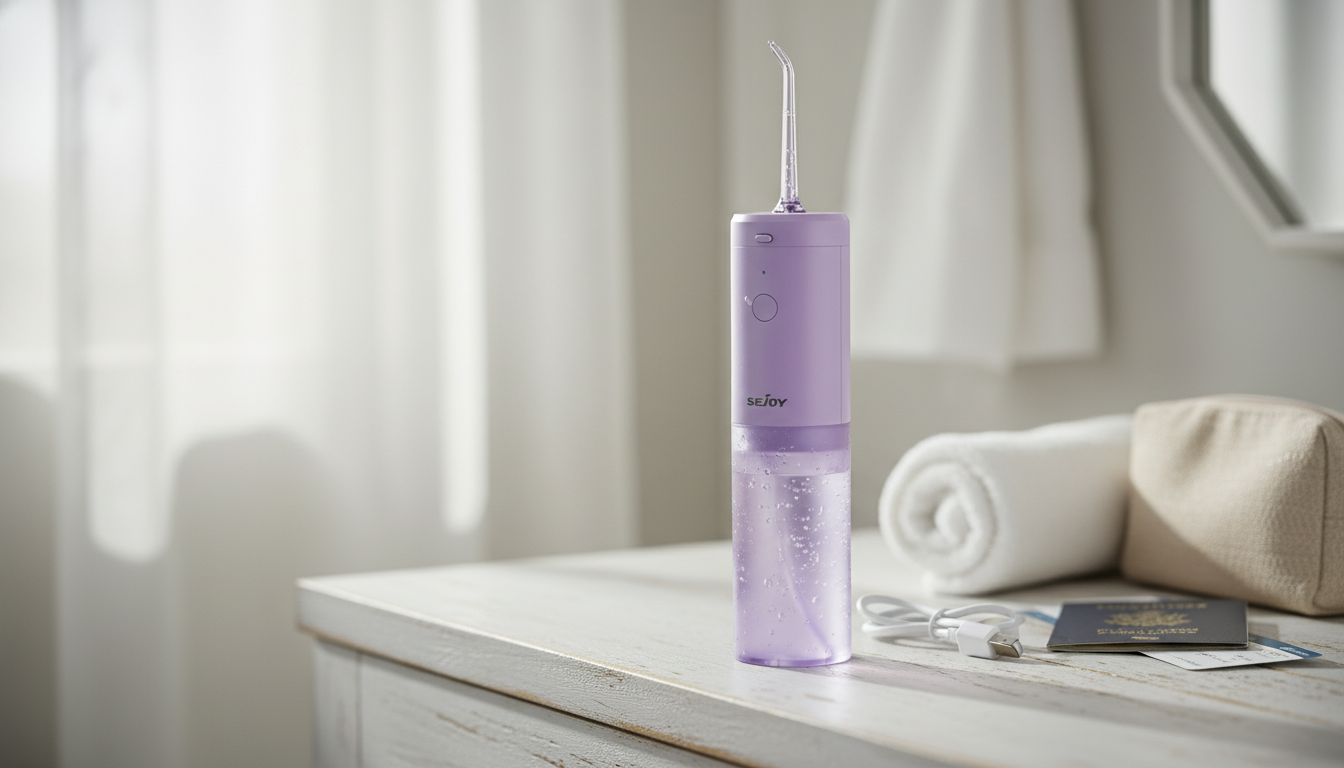
Portable USB Rechargeable Water Flosser with 140ML Tank: Compact Daily Deep Clean
A portable water flosser can make interdental cleaning faster and more comfortable—especially for braces, bridges, and tight spaces where string floss is frustrating. This compact USB-rechargeable model pairs a travel-friendly size with a 140 mL tank designed for quick, targeted rinsing at home, at the office, or on the go. For more guidance, see A Comparative Review of Water Flossers in Periodontal Therapy.
What a portable water flosser adds to daily brushing
Brushing is essential, but it doesn’t always reach the narrow spaces between teeth or the gumline contours where buildup can linger. A portable water flosser complements brushing by using a focused stream of water to flush away debris in areas your toothbrush may miss. For further reading, see 5 Best Water Flossers of 2026, Lab-Tested and Reviewed.
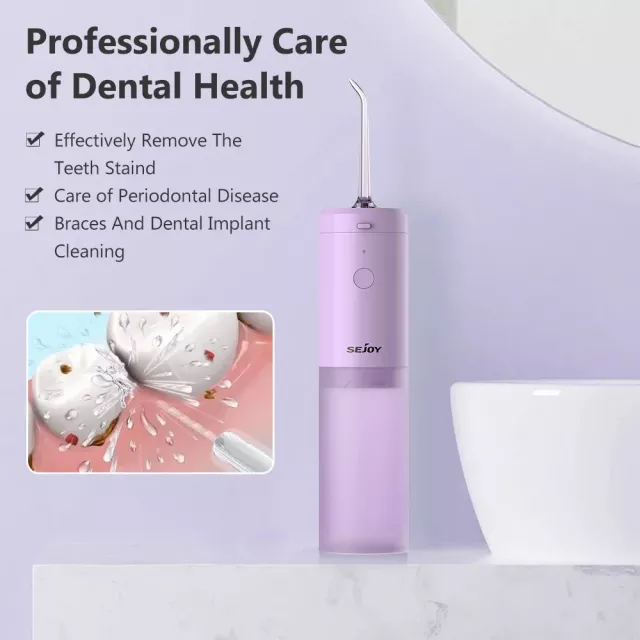
- Uses a concentrated water stream to help remove food particles and disturb plaque between teeth and along the gumline
- Helpful for hard-to-reach areas around orthodontic appliances, crowns, bridges, and implants
- Can feel gentler than string floss for sensitive gums when used with an appropriate pressure setting
- Fits into routines where traditional flossing is often skipped (travel, late nights, gym bag)
For general guidance on flossing and interdental cleaning, the American Dental Association (ADA) and MouthHealthy by ADA offer helpful overviews, including where water flossers may fit into an oral care routine.
Highlights of the 140 mL USB rechargeable design
Countertop irrigators can be great for long sessions, but a compact water flosser is built for convenience—quick use, quick put-away, and easy charging. A 140 mL tank keeps the handle streamlined while still offering enough water for a focused rinse.
- 140 mL tank capacity supports a quick clean without adding bulk to the handle
- USB rechargeable setup simplifies charging while traveling or at a desk
- Portable form factor suits small bathrooms, dorms, and carry-on packing
- Designed for straightforward fill, use, and empty steps to reduce mess
At-a-glance overview
| Feature | What it means for daily use |
|---|---|
| Tank size (140 mL) | Compact reservoir for a fast session; refill if a longer rinse is preferred |
| USB rechargeable | Convenient charging from common USB power sources |
| Portable build | Easy to store in a drawer or pack for trips |
| Water flossing stream | Targets tight spaces and gumline areas beyond brushing alone |
How to use it comfortably (and get less splash)
Water flossers feel easiest to stick with when they’re comfortable and mess-free. A few small technique changes can reduce splatter and help you get a more consistent clean.
- Fill the tank with lukewarm water for a more comfortable feel, especially for sensitive gums.
- Lean over the sink and keep lips slightly closed to reduce splatter while letting water drain.
- Start on a lower setting if available; increase gradually as gums adapt over the first week or two.
- Aim the stream along the gumline and between teeth, pausing briefly at each space rather than rushing.
- Empty and rinse the tank after use to keep the reservoir fresh.
If you’re new to flossing (or alternatives), Cleveland Clinic shares practical tips on technique and options that can make the habit easier to maintain: How to Floss (and alternatives).
Who this compact flosser tends to suit best
A 140 mL portable flosser is tailored to people who want consistent, everyday cleaning without dedicating counter space or dealing with bulky gear.
- Travelers who want a lightweight alternative to countertop irrigators
- People with braces or aligner attachments that trap food
- Anyone with bridges/crowns who needs help flushing under and around dental work
- Busy routines that benefit from a quicker, more approachable interdental step
- Small-space living where countertop storage is limited
It’s also a helpful backup option—something easy to keep at the office, in a gym bag, or in a toiletry kit so you’re not relying on memory (or motivation) at the end of a long day.
Care, cleaning, and simple maintenance
Like any oral care device that holds water, quick cleaning habits help keep performance steady and the tank fresh.
When to choose a larger tank instead
Recommended picks (in stock)
- Portable USB Rechargeable Water Flosser with 140ML Tank — compact reservoir, travel-friendly charging, and a simple daily add-on to brushing.
- Spring Plaid Wide Padded Headband – Chic Cotton Blend Hair Accessory — a comfortable option for keeping hair back during morning and nighttime routines.
- Retro Corduroy Hair Scrunchies & Headbands – Large, Soft & Stylish — easy to stash in a toiletry bag for workouts, travel, or getting ready on the go.
Portable USB Rechargeable Water Flosser with 140ML Tank
If you want a practical way to stay consistent with interdental cleaning without committing to a countertop device, a compact water flosser is a strong everyday choice. The 140 mL reservoir is sized for quick sessions, and USB recharging makes it easy to top up power from a laptop, power bank, or standard USB adapter. For current pricing, availability, and product details, visit the Portable USB Rechargeable Water Flosser with 140ML Tank product page.
FAQ
Is a 140 mL tank enough for a full water flossing session?
For many people, 140 mL is enough for a quick, targeted clean, especially once you have a steady technique. If you prefer a slower, more thorough rinse (or you’re cleaning around braces), a simple refill can extend the session.
Can a water flosser replace string floss?
A water flosser can complement brushing and help clean between teeth and along the gumline, and many people find it easier to use consistently. Some still use string floss for very tight contact points, so it’s best to follow your dental professional’s advice for your specific needs.
What water should be used in a portable water flosser?
Clean, preferably lukewarm water is a comfortable default for most users. Avoid harsh mouthwash concentrations unless the manufacturer allows it, and rinse the device after use to help keep the reservoir fresh.















Leave a comment