Nylon Strap Lifting Hooks: Reduce Grip Fatigue on Pulls
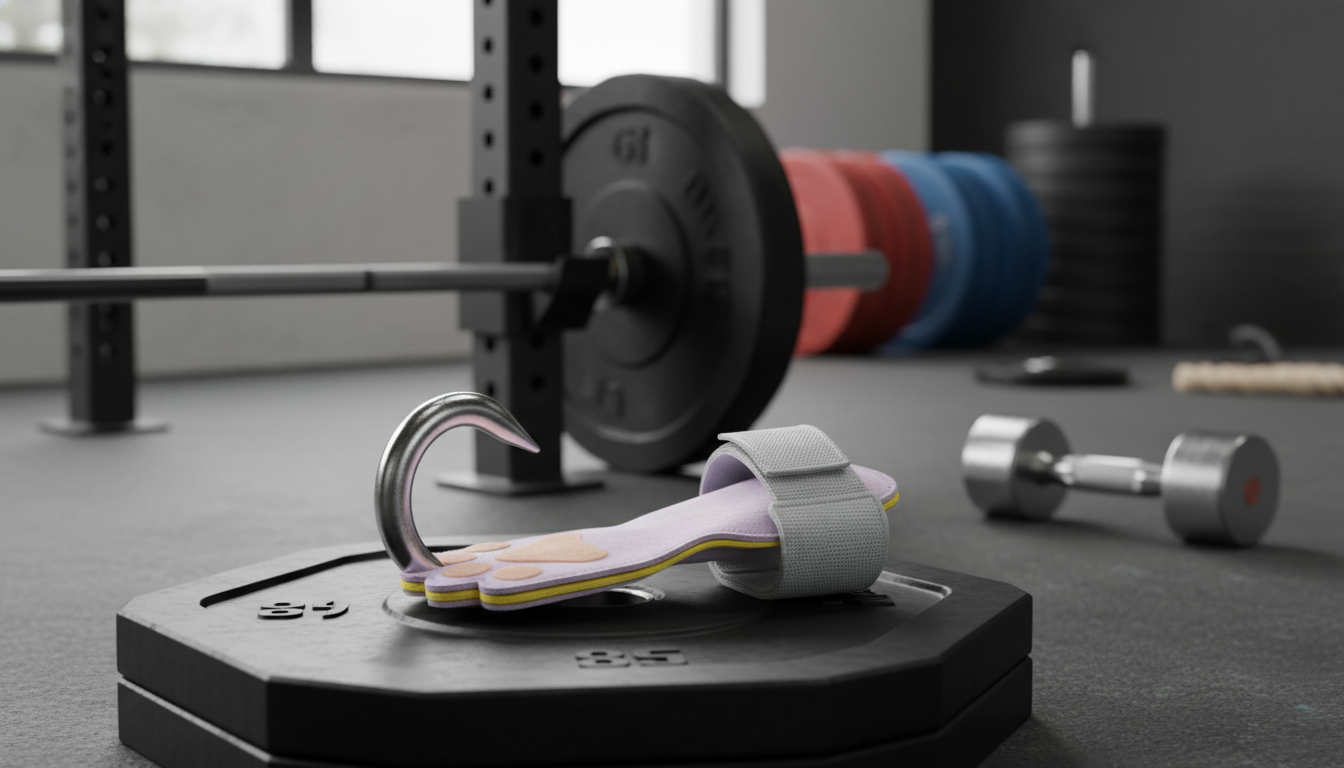
Weight Lifting Hooks with Nylon Straps: Stronger Pulls with Less Grip Fatigue
Weight lifting hooks with nylon straps help transfer more of the pulling load from the fingers and forearms to the wrist support and hook, so back, traps, and hamstrings can stay the focus. They’re a practical add-on for heavy sets, high-rep pulling days, or anyone whose grip gives out before the target muscles do.
What They Are and How They Work
Weight lifting hooks combine two simple pieces into one grip-assist tool that’s quick to set up between sets:
- A padded nylon wrist strap wraps securely around the wrist to distribute pressure and stabilize the joint during pulling movements.
- A sturdy hook sits in the palm area and “catches” the bar, dumbbell handle, or cable attachment so the hand doesn’t need to squeeze as hard.
- They’re best used for pull-dominant exercises where grip often becomes the limiting factor.
The result is usually a more consistent set: fewer reps lost to slipping, less early forearm burn, and better control when the goal is to overload the larger pulling muscles.
Why Nylon Straps Matter
Strap material affects comfort, stability, and how repeatable your setup feels from set to set. Nylon is popular for practical reasons:
- Nylon is commonly chosen for its balance of strength and flexibility, allowing a snug wrap without feeling overly stiff.
- The strap can reduce localized pressure compared with thinner materials, helping comfort during heavier attempts.
- Nylon tends to dry faster than many leather-like materials and is generally easy to clean after sweaty sessions.
That “snug but not rigid” feel matters when you’re trying to keep your wrist neutral on rows, pulldowns, and deadlift variations.
Where Hooks Help Most in Training
Hooks shine when the exercise is limited by hand strength rather than the target muscles. Common high-value uses include:
- Deadlifts and Romanian deadlifts: useful for volume sets where grip fatigue accumulates quickly.
- Barbell and dumbbell rows: helps maintain consistent reps without losing position due to grip failure.
- Shrugs: allows heavier loads or longer time under tension without forearms burning out first.
- Lat pulldowns and cable rows: improves consistency on high-rep sets when hands start slipping.
They can also be helpful on machines with thinner handles that dig into the fingers, especially late in a workout when your grip is already tired.
Hooks vs. Other Grip Aids
Not all grip tools solve the same problem. Hooks are most useful when the limiting factor is “holding on,” not “creating friction.”
Quick Comparison of Common Grip Options
| Grip Aid | Best For | Tradeoffs |
|---|---|---|
| Weight lifting hooks | Heavy or high-rep pulls when grip fails early | Less direct grip training; takes practice to place the hook consistently |
| Lifting straps | Barbell pulls and rows with strong hand control | Requires wrapping technique; can be slower to set up |
| Chalk | Sweaty hands and bar friction | Doesn’t reduce grip demand; may be restricted in some gyms |
| Gloves | Comfort and callus management | May reduce bar feel; limited support for very heavy loads |
Many lifters stack tools: for example, chalk for sweat control plus hooks to reduce squeeze demand during high-volume back work.
How to Use Hooks Safely and Effectively
Who Benefits Most (and When to Skip Them)
Comfort, Fit, and Durability Checks
Product Spotlight: Weight Lifting Hooks with Nylon Straps
If grip fatigue routinely cuts your sets short, Weight Lifting Hooks with Nylon Straps are built to help keep pulling work consistent. They’re designed to reduce grip fatigue on pulling exercises by supporting the wrist and providing a secure hook contact point, and the nylon strap construction is geared toward a comfortable, adjustable wrap and repeatable setup across sets. It’s a practical gym-bag tool for lifters who want more consistent back, trap, and hamstring work when hands are the limiting factor.
Two small add-ons that pair well with hard training days
- Spring Plaid Wide Padded Headband – Chic Cotton Blend Hair Accessory for keeping hair and sweat out of your face during long sessions.
- Retro Corduroy Hair Scrunchies & Headbands – Large, Soft & Stylish as a comfortable option to keep hair secured during pulls, rows, and conditioning work.
Training Notes from Credible Sources
Progressive resistance training is widely recognized as an effective way to improve strength and fitness when done with appropriate technique and programming. For deeper reading on safe training principles and progression, see the NSCA education articles. For general guidance on building a well-rounded activity routine, the CDC’s physical activity basics are a useful reference.
FAQ
Are weight lifting hooks better than lifting straps?
Hooks reduce the need to squeeze the bar and can be faster to set up, which is helpful when grip fails early. Straps still rely more on hand tension and wrapping technique, so the better choice depends on the exercise and what feels most controlled for you.
Do hooks weaken grip strength?
They can reduce how much your grip is trained on the sets where you use them because some load is shifted away from the hands. Keeping some sets hook-free or adding dedicated grip work helps maintain grip progress.
Can hooks be used for deadlifts and rows?
Yes—hooks are commonly used for deadlifts (especially volume work) and rowing variations when grip is the limiting factor. Make sure the wrist strap is secure and the hook is seated evenly, and avoid using them on explosive lifts where quick release matters.
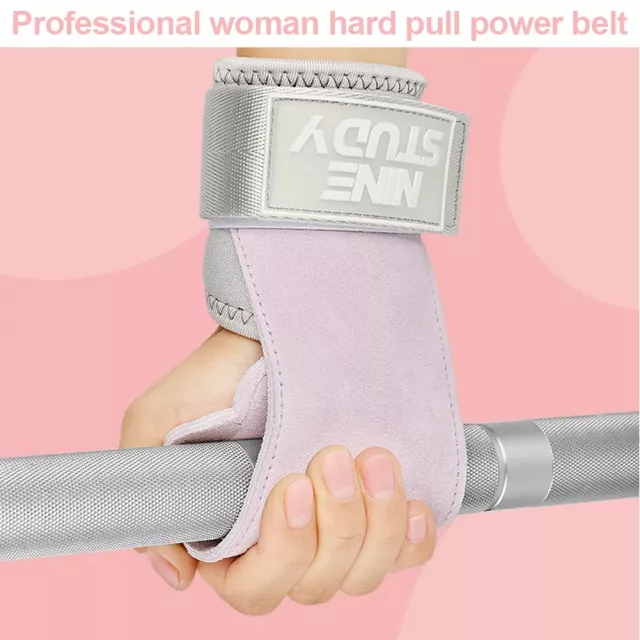















Leave a comment