One-Step Thermal Hot Air Brush: Smooth Hair + Volume
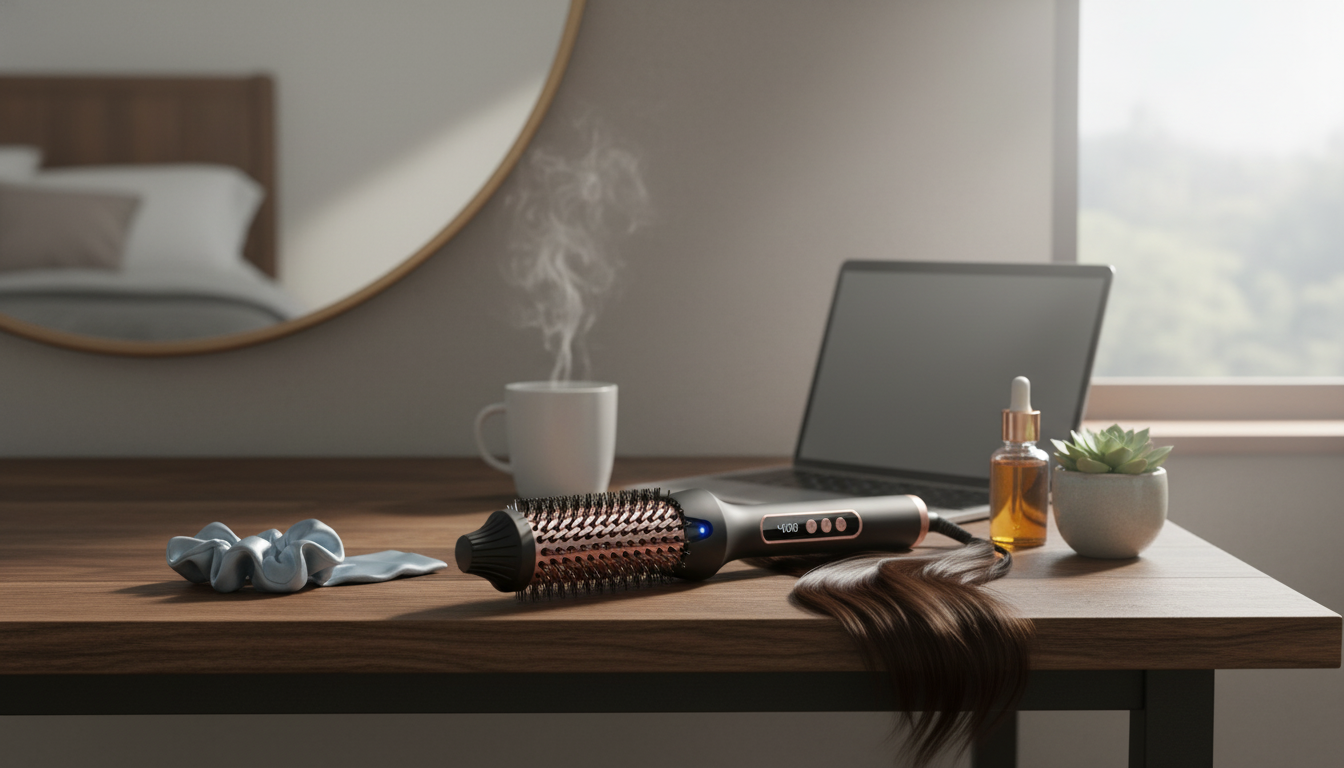
One-Step Thermal Hot Air Brush Hair Straightener & Curler Volumizer: Smooth, Lift, and Shape in One Tool
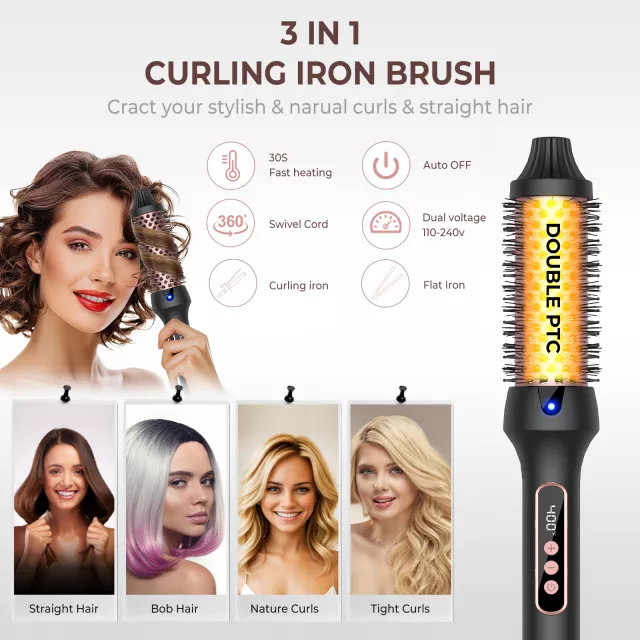
A hot air brush can streamline styling by combining airflow and heat with the control of a brush head. The One-Step Thermal Hot Air Brush Hair Straightener & Curler Volumizer is designed to help create smoother lengths, bouncier roots, and softly turned ends without switching between multiple tools. Below is a practical, technique-first guide to what it’s built to do, how to use it for different looks, and how to keep hair protected while styling. For more guidance, see 7 Best Hair Dryers, Lab-Tested and Reviewed – Consumer Reports.
What This One-Step Hot Air Brush Is Made to Do
- Combines drying-style airflow with heated styling to reduce the need for separate blow dryer and iron passes.
- Targets three common goals: smoothing frizz, adding root lift/volume, and bending ends for a polished finish.
- Brush-based tension helps guide hair straighter than air alone while still allowing curved, rounded shaping.
- Best suited for quick daily styling, refreshes, and finishing hair that is already towel-dried or mostly dry.
Who It Works Best For (Hair Types and Common Goals)
- Fine to medium hair seeking lift at the crown and smoother lengths without a heavy, flat finish.
- Wavy hair that needs alignment through mid-lengths while keeping ends softly curved instead of pin-straight.
- Thicker hair that benefits from sectioning and slower passes to smooth the cuticle and reduce puffiness.
- Short to medium lengths where a brush head can easily catch and direct the ends for bend and shape.
- Style goals it supports: blowout-style volume, sleek finish, face-framing flips, and loose curl at the ends.
How to Use It for Different Results
1) Prep for smoother results (and fewer passes)
- Towel-dry hair (or start on mostly dry hair), then detangle gently from ends to roots.
- Apply a heat protectant spray or cream and distribute evenly—especially through mid-lengths and ends.
- Divide hair into manageable sections. For thick hair, go smaller than you think you need.
2) For straightening and frizz control
- Use moderate tension: place hair at the roots, then brush down to the ends in a slow, controlled pass.
- Keep the brush moving to avoid overheating one spot (a common cause of dryness).
- For stubborn areas, refine with one additional slow pass rather than many quick repeats.
3) For volume at the crown
- Place the brush close to the roots, lift upward and slightly away from the scalp.
- Hold briefly (a second or two), then glide outward to encourage lift without tangling.
- For extra bounce, alternate the direction of your lift (left section lifted slightly left, right section slightly right).
4) For soft curls, bends, and flipped ends
- Focus on the last 2–4 inches: wrap ends around the brush, rotate slightly, then glide out smoothly.
- Use smaller sections for more defined bend; larger sections for a looser, “blowout” curve.
- Let hair cool before touching or brushing out—cooling helps the shape hold longer.
5) Finish without weighing hair down
- Allow hair to cool fully, then separate with fingertips instead of a dense brush if you want airier movement.
- Use a light-hold spray for all-over longevity, or a tiny amount of smoothing serum only on the ends.
Heat and Hair Health: Practical Protection Tips
For additional hair-damage prevention guidance, see the American Academy of Dermatology Association’s tips: How to prevent hair damage. For general cosmetic product safety and labeling basics, the FDA’s overview is also helpful: Cosmetic product safety information. For further reading, see Tymo Ring vs. Drybar The Brush Crush Heated Straightening Brush.
Specifications at a Glance
| Hair type/goal | Section size | Pass speed | End technique | Expected finish |
|---|---|---|---|---|
| Fine hair + volume | Medium | Moderate | Slight bend under | Lifted roots, airy movement |
| Wavy hair + smoothness | Small to medium | Slow | Glide straight then curve ends | Softer wave, less frizz |
| Thick hair + sleek lengths | Small | Slow | Two slow passes max per section | Smoother cuticle, reduced puff |
| Quick refresh day-2 | Large (top layers) | Moderate | Flip/curve at ends | Polished shape, revived crown |
Care, Cleaning, and Storage
Styling Pairings for a Finished Look
- Use a wide headband to keep fringe and flyaways controlled while setting volume at the crown. Try the Spring Plaid Wide Padded Headband – Chic Cotton Blend Hair Accessory for a polished hold that doesn’t require tight tension.
- Scrunchies can help preserve a blowout-style finish by securing hair in a loose, low ponytail without harsh creases. The Retro Corduroy Hair Scrunchies & Headbands – Large, Soft & Stylish set is ideal for gentle, low-mark hold.
- If ends look dry after styling, use a lightweight shine serum only from mid-lengths down (not at the roots) to maintain lift.
FAQ
Can a hot air brush replace a flat iron?
It can create a smooth, straightened look for many hair types, especially when you use smaller sections and slow, even passes. A flat iron may still be better for ultra-pin-straight results or very coarse textures, but a hot air brush often delivers a softer, blowout-style sleekness with more movement.
Should hair be wet or dry before using a thermal hot air brush?
Towel-dried to mostly dry hair usually gives the best control and reduces how long hair is exposed to heat. Avoid starting on soaking-wet hair unless the tool specifically states it’s designed for that use.
How do you get curls with a hot air brush?
Wrap the last 2–4 inches of hair around the brush, rotate slightly, hold briefly, then glide out smoothly. Use smaller sections for more definition, and let the curl cool before touching to help it last.











Leave a comment