Open-Back Planar Magnetic Headphones: Home HiFi Guide

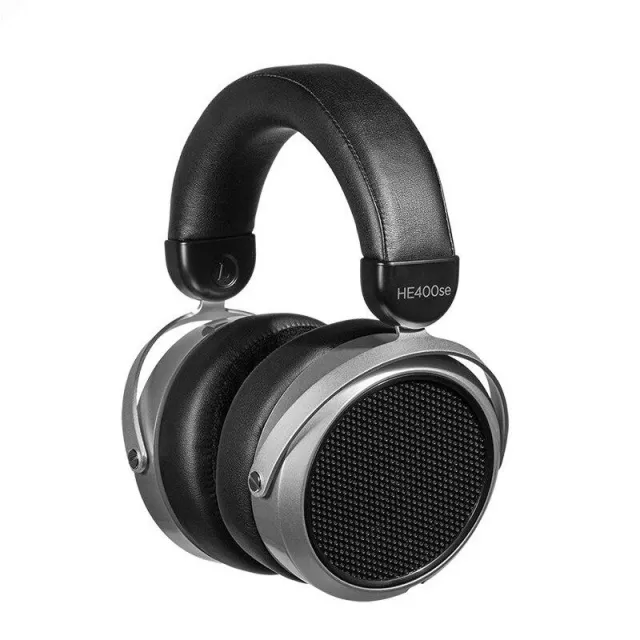
Open-Back Planar Magnetic Headphones – HiFi Headset
Open-back planar magnetic headphones are built for spacious, speaker-like imaging and fast, low-distortion detail. This HiFi headset style suits focused listening at home, where sound leakage is acceptable and comfort matters for long sessions. Below is a practical breakdown of what to expect, how to set them up, and what to check before pairing with a phone, dongle, DAC/amp, or desktop stack. For more guidance, see FiiO FT1 Pro Planar-Magnetic Headphone Review – Yo Mama.
What makes planar magnetic drivers different
Planar magnetic headphones use a thin diaphragm suspended in a magnetic field, with force applied across a broad surface area. That distributed drive can reduce “breakup” and help the diaphragm move more uniformly than many traditional dynamic drivers—especially when music gets dense or complex. For further reading, see Need Closed Back Recommendation for Someone Who’s Only Ever ….
- Planar diaphragms are driven across a broad surface area, which can reduce breakup and keep motion more uniform compared with many dynamic designs.
- Fast transient response helps reveal micro-detail in cymbals, strings, and reverb tails without sounding smeared at moderate volumes.
- Low distortion at higher listening levels can keep bass and lower mids cleaner, especially on dense mixes.
- Because designs vary, tonal balance still depends on tuning, pads, and fit—planar does not automatically mean “more bass” or “brighter.”
Planar magnetic vs dynamic vs electrostatic (quick comparison)
| Type | Typical strengths | Typical trade-offs | Best use |
|---|---|---|---|
| Planar magnetic | Speed, detail, controlled bass, low distortion | Can be power-hungry; heavier cups on some models | HiFi listening, mixing reference, home use |
| Dynamic | Wide price range, punchy macrodynamics, lighter designs | May show driver breakup/distortion at extremes depending on model | Everyday listening, portable use, gaming |
| Electrostatic | Exceptional resolution and transient speed | Needs special energizer; expensive; limited portability | Dedicated home systems |
Why open-back changes the experience
Open-back cups allow air to pass through the earcups rather than reflecting everything back toward your ears. The result is often a more natural sense of space—less “sealed chamber” sound and more of a room-like presentation.
- A more open soundstage can make instruments feel less “in the head,” improving positional cues and room ambience in recordings.
- Open backs leak sound outward and let outside noise in, making them a poor fit for commuting, offices, or shared rooms.
- Imaging can feel more precise when the recording has natural spatial information; heavily compressed mixes may benefit less.
- For late-night listening, consider volume discipline or a closed-back alternative if others are nearby.
If you’re curious how staging and leakage show up in real measurements, RTINGS’ testing notes are a useful reference for understanding what labs typically evaluate: RTINGS Headphones Test Methodology.
Comfort, fit, and long-session practicality
Comfort is make-or-break for open-back planars, since they’re often used for long listening blocks. Driver technology matters less here than basics like clamp force, headband design, and pads.
- Clamp force and headband padding determine comfort more than driver type; a secure but gentle seal is ideal.
- Pad material affects both comfort and sound: breathable fabrics can reduce heat, while leather-like pads may increase perceived bass but trap warmth.
- Weight distribution matters—wide headbands and swiveling yokes help prevent hotspot pressure.
- For glasses wearers, softer pads or slightly reduced clamp can help maintain a consistent seal and stable imaging.
If headband pressure is your sticking point, a soft accessory can help spread contact points during long sessions. For a comfort-focused add-on, consider the Spring Plaid Wide Padded Headband – Chic Cotton Blend Hair Accessory.
Source pairing: phone, dongle, DAC/amp, or desktop
Many planar magnetic designs benefit from a clean, capable amplifier. Even if a phone dongle gets you to “loud enough,” extra headroom can keep bass more solid and prevent peaks from sounding strained.
- Planar headphones often benefit from a clean, capable amplifier; adequate power prevents thin bass and preserves dynamics.
- A quality USB-C or Lightning dongle can work for moderate listening, but a dedicated DAC/amp typically improves headroom and control.
- Check output power (mW into the headphone’s impedance) and noise floor; sensitive headphones reveal hiss on poor sources.
- Balanced connections can add power on some amps, but sound quality depends more on the amplifier design than the connector type.
Simple pairing guide
| Listening setup | What to look for | Good match when |
|---|---|---|
| Phone + basic dongle | Low noise, decent voltage swing | Listening levels are moderate and portability matters |
| Portable DAC/amp | More power, better control, hardware volume | Planar needs extra headroom or the tracklist is dynamic |
| Desktop amp + DAC | High power, stable output, low distortion | Long sessions at home and critical listening are priorities |
For deeper technical reading on audio reproduction, research libraries like the Audio Engineering Society (AES) Publications provide a helpful starting point.
Sound expectations: staging, detail, and bass behavior
If you’re shopping for a dedicated home listening option, the Open-Back Planar Magnetic Headphones – HiFi Headset fits the open, detailed listening profile that planar fans tend to prefer.
Care, durability, and everyday handling
Who this style of headset suits best
For a small accessory that can keep hair controlled during longer sessions (especially with open-back cups that sit around the ear), see Retro Corduroy Hair Scrunchies & Headbands – Large, Soft & Stylish.
FAQ
Do open-back planar magnetic headphones need an amplifier?
Often yes for best dynamics and bass control. Some models will get loud from a dongle, but a capable amp with clean power typically adds headroom so peaks stay effortless.
Are open-back headphones good for commuting or office use?
Usually no. They leak sound outward and also let outside noise in, which can bother others and make music sound thinner in loud environments.
What does “soundstage” mean on open-back headphones?
It’s the sense of space and placement—how wide, deep, and precisely instruments appear around you. Open backs can enhance spaciousness by reducing reflections and pressure buildup inside the earcups.















Leave a comment