Pet Finger Toothbrush Set: Easy Brushing for Dogs & Cats
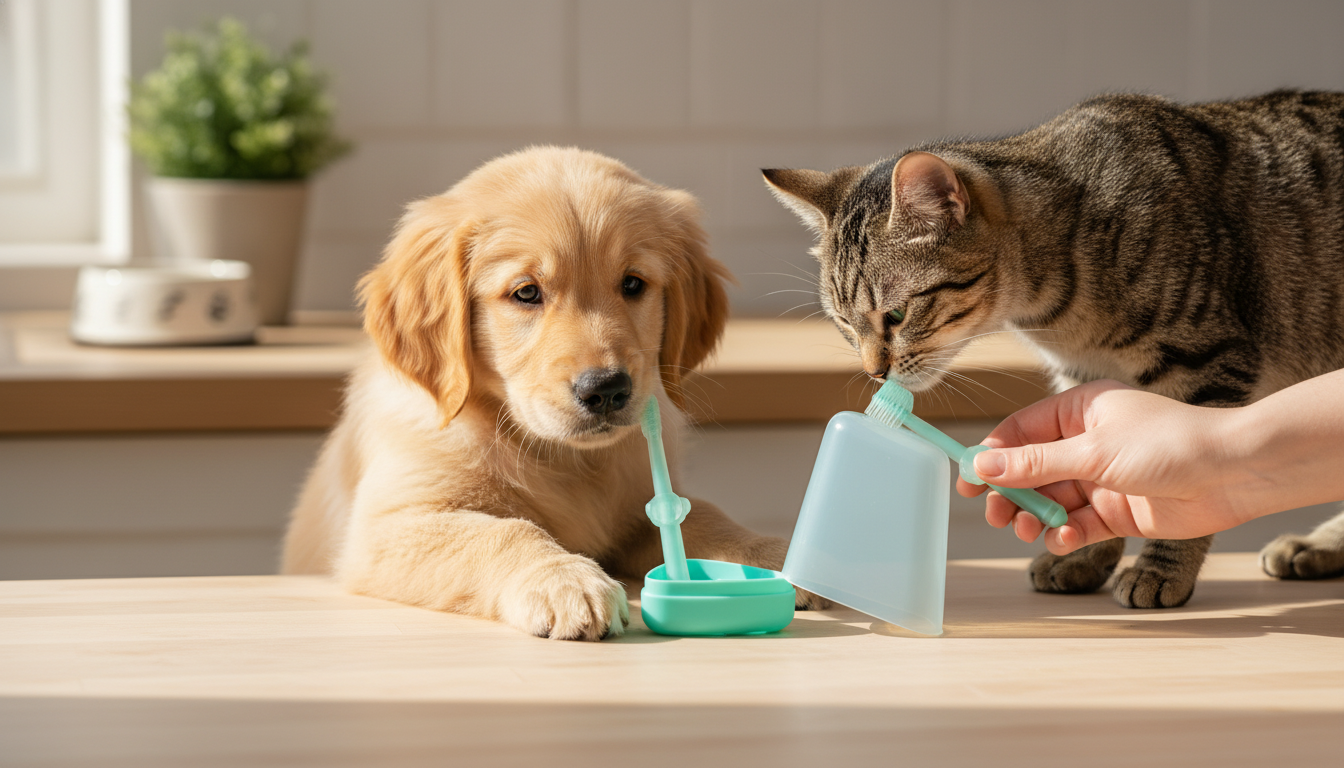
Pet Finger Toothbrush Set for Dogs and Cats: A Gentle Way to Start Brushing
Daily dental care can feel intimidating for pets that dislike traditional brushes. A finger-style toothbrush helps maintain control, keeps pressure light, and makes it easier to reach along the gumline. This guide explains what a pet finger toothbrush set is, how to use it comfortably for dogs and cats, and how to build a routine that supports fresher breath and cleaner teeth.
Why dental care matters for dogs and cats
Plaque starts forming soon after meals and can harden into tartar, which is tougher to remove and often collects right where teeth meet the gums. Over time, that buildup can contribute to gum irritation, persistent bad breath, and discomfort while eating.
Small dog breeds and many cats are especially prone to dental buildup, but any pet can develop oral issues without routine care. Home brushing also supports professional dental checkups by reducing daily accumulation between visits—so when your veterinarian evaluates the mouth, there’s less active gunk hiding along the gumline.
The biggest secret is consistency, not intensity. A calm, predictable routine helps many sensitive pets tolerate brushing better over time. If a pet learns that brushing is brief and followed by something good (treats, play, praise), cooperation tends to improve.
What a finger toothbrush set is and when it helps most
A finger toothbrush is a soft brush (often silicone or gentle bristles) that slips over your fingertip. That close contact can feel more natural than a long handle, while giving you precise control over pressure and angle—especially helpful near the gumline where plaque likes to cling.
Finger brushes are often a strong fit for:
- Pets that resist long handles or get startled by a larger object
- Small mouths where maneuvering a standard brush feels cramped
- Puppies, kittens, rescues, and pets learning to accept oral handling
- Slow, gentle introductions where comfort matters more than speed
Finger brush vs. handled brush
| Feature | Finger Toothbrush | Handled Pet Toothbrush |
|---|---|---|
| Control and pressure | High control; easy to keep pressure light | Good reach; pressure depends on grip and angle |
| Best for beginners | Often easier for nervous pets | Can be challenging if pet chews the handle |
| Mouth size fit | Great for small mouths and tight spaces | Better reach for larger dogs and back molars |
| Comfort for pet | Feels like a finger; can be less intimidating | Some pets accept quickly; others resist the object |
| Cleaning focus | Excellent along gumline and front teeth | Strong coverage for full-mouth brushing |
Getting started: a low-stress brushing routine
The goal is to make brushing feel uneventful. Keep early sessions very short (10–20 seconds), then reward immediately. Add a few seconds every couple of days, aiming to build up to a thorough outer-surface brush over 1–2 weeks.
Step-by-step routine that builds trust
- Practice mouth handling first. Touch the muzzle, lift the lip for a second, then stop before your pet pulls away. Reward.
- Introduce pet-safe toothpaste. Let your pet lick a tiny amount so the flavor predicts something pleasant. Avoid human toothpaste, which may contain ingredients unsafe for pets.
- Slip on the finger brush and start with the easy spots. Begin with the outer front teeth and canines where you can see what you’re doing.
- Angle toward the gumline. Use small circular motions on the outer surfaces of teeth, especially where the tooth meets the gum.
- End on a win. Stop while your pet is still coping well, reward, and move on with the day.
Cat-friendly approach
For cats, keep sessions extremely short and focus on upper canines and premolars first. If body tension ramps up (ears pinned, tail lashing, growling), stop promptly and try again later—pushing through stress can make the next session harder.
Dog-friendly approach
For most dogs, the outer cheek-side surfaces are the most tolerated and deliver strong benefit. Work along the gumline in small circles and avoid prying the mouth open wide at the beginning; many dogs accept lip-lifting better than open-mouth handling.
Tips for dogs vs. cats (and for different temperaments)
Care, cleaning, and replacement timing
For additional guidance on why routine dental care matters and what to watch for, these veterinary resources are helpful: AVMA: Pet dental care, AAHA: Dental care for dogs and cats, and WSAVA: Global Dental Guidelines.
Pet Finger Toothbrush Set for Dogs and Cats: quick overview
Pet Finger Toothbrush Set for Dogs and Cats is designed to make brushing feel more natural by using fingertip control and gentle pressure. It’s suitable for both dogs and cats, especially for early training, small mouths, and sensitive pets. Keep it near your pet toothpaste so it’s easy to stick with brief, frequent sessions that focus on the gumline.
At-a-glance details
| Item | Details |
|---|---|
| Product | Pet Finger Toothbrush Set for Dogs and Cats |
| Category | Grooming |
| Price | USD 3.01 |
| Availability | In stock |
More in-stock picks
- Crystal Moon & Star Car Vent Clips
- Retro Corduroy Hair Scrunchies & Headbands – Large, Soft & Stylish
- Spring Plaid Wide Padded Headband – Chic Cotton Blend Hair Accessory
FAQ
How often should dogs and cats have their teeth brushed?
Daily brushing is ideal, but several times per week can still make a noticeable difference. For anxious pets, start small and prioritize consistency so the routine becomes predictable.
Can a finger toothbrush reach the back teeth well enough?
A finger brush is excellent for controlled gumline cleaning on front and side teeth. For large dogs or very back molars, a handled toothbrush can be a helpful complement once your pet is comfortable.
Is bleeding during brushing normal?
Mild bleeding can happen if gums are already inflamed, especially early on. If bleeding persists or you notice swelling, strong odor, or signs of pain, schedule a veterinary exam.
















Leave a comment