Plaid Harness & Leash Set for Small Dogs and Puppies
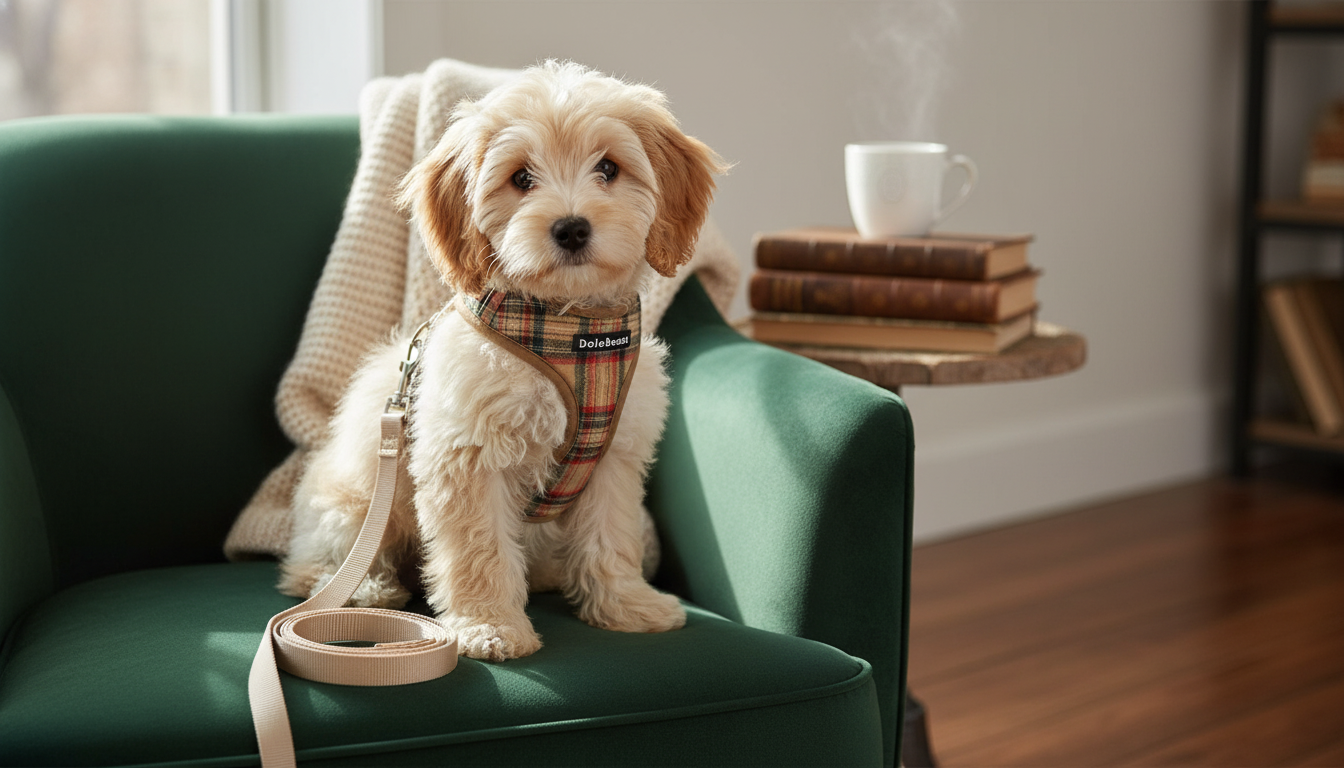
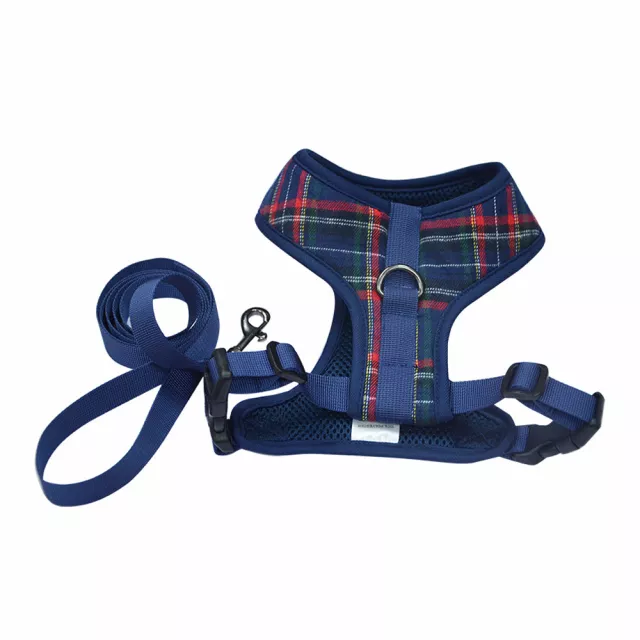
Plaid Adjustable Pet Harness & Leash Set for Small Dogs and Puppies
A harness-and-leash combo can make daily walks easier—especially for small dogs and growing puppies that need a secure fit without neck pressure. This plaid set is designed to be adjustable, lightweight, and simple to put on, with a matching leash for quick grab-and-go outings. If you’re building a calm walking routine (potty breaks, short neighborhood loops, and early leash manners), a coordinated kit helps keep things consistent from day one.
What comes in the set
This ready-to-walk kit is built for everyday handling without overcomplicating your routine. It includes the essentials for stepping outside quickly while still prioritizing a secure, comfortable fit for smaller bodies.
- Adjustable plaid harness designed for small dogs and puppies
- Matching leash for coordinated everyday walks
- A lightweight setup suitable for short potty breaks, neighborhood strolls, and basic leash training
- A practical option for pet parents who want one ready-to-use walking kit
If you want the full set, you can find it here: Plaid Adjustable Pet Harness & Leash Set for Small Dogs and Puppies.
Why a harness can be a better choice than a collar
Many small dogs pull, spin, or stop suddenly—especially when they’re still learning what a leash means. A harness can be a helpful tool for everyday walking because it changes where pressure is distributed and can feel more stable during quick movements.
- Helps reduce pressure on the throat compared with attaching a leash directly to a collar
- Often offers better control for small breeds that startle easily or change direction quickly
- Useful for puppies learning leash manners, where gentle guidance matters
- Can help prevent slipping out when properly fitted and adjusted
For general guidance on safe gear and walking basics, you can also reference trusted resources like the American Kennel Club (AKC) and the ASPCA’s dog care tips.
Adjustability and fit for small dogs and growing puppies
Fit is the difference between “easy walks” and constant readjusting. Puppies change quickly—sometimes week to week—and even adult small dogs can need tweaks depending on coat length, seasonal weight shifts, or how the harness settles after a few walks.
- Adjustable design supports fine-tuning as a puppy grows or as coat thickness changes
- A good fit should be snug without restricting breathing or shoulder movement
- Common fit check: two fingers should slide comfortably under straps without excessive slack
- If between sizes, prioritize chest/girth fit and overall security to reduce the chance of backing out
Quick fit checklist
| Fit area | What to look for | Common issue to avoid |
|---|---|---|
| Chest/girth | Secure but comfortable; straps lie flat | Too loose: dog can wriggle out |
| Shoulders | Full range of motion while walking | Too tight: rubbing or short stride |
| Neck/upper chest | No choking; sits comfortably | Sits too high and presses the throat |
| Buckles/adjusters | Stays in place after a short walk | Slipping adjustment that loosens over time |
Comfort and everyday safety notes
Even a lightweight harness needs a quick “comfort audit” during the first week. Small dogs have delicate skin and fine coats, and puppies can get distracted enough to ignore early irritation—so it’s on you to check.
- Look for any rubbing at the armpits and chest after the first few walks; adjust as needed
- For puppies, keep early sessions short to avoid irritation and to build positive association
- Always attach the leash to the harness hardware as intended and check connections before stepping outside
- Replace the set if fraying, cracks, or weakened hardware are noticed
For broader safety and behavior resources (including handling tips and pet wellbeing), the AVMA pet owner resources are a reliable place to start.
How to put it on and start walking
A smooth first fitting sets the tone. The goal isn’t perfection in the first minute—it’s a secure, comfortable setup that your dog can forget about while learning how to walk with you.
- Loosen straps slightly for the first fitting, then tighten gradually to the two-finger snugness check.
- Allow a brief indoor wear period so the puppy gets used to the feel (a few minutes at a time to start).
- Start with calm, low-distraction walks; reward relaxed leash behavior and check in often.
- Re-check fit after 5–10 minutes of walking—movement can reveal areas that need adjustment.
If your puppy tends to freeze, flop, or nibble at the straps, keep sessions upbeat and short. A couple of “practice laps” inside the house can help the gear feel normal before you add the excitement of outdoors.
Care and maintenance
Regular upkeep helps the harness stay comfortable against the coat and keeps the leash hardware working the way it should. It also makes it easier to spot wear before it becomes a safety issue.
Who this set is best for
Easy add-ons for a coordinated look
- Spring Plaid Wide Padded Headband – Chic Cotton Blend Hair Accessory
- Retro Corduroy Hair Scrunchies & Headbands – Large, Soft & Stylish
FAQ
How tight should a puppy harness be?
Aim for a snug fit that still allows two fingers to slide comfortably under the straps. Make sure your puppy can breathe easily and move their shoulders freely, then re-check the fit after a few minutes of walking.
Can a small dog back out of a harness?
Yes—if it’s too loose or not adjusted correctly. Focus on a secure chest/girth fit, keep straps lying flat, and confirm the buckles and adjusters stay in position during movement.
Is a harness safer than a collar for walking?
Often it can be, because a harness typically reduces pressure on the throat compared to leash-walking from a collar. The safest choice still depends on proper fit, your dog’s behavior, and the walking environment.















Leave a comment