PovertySoft 320GSM Microfiber Towel: Lint-Free Shine
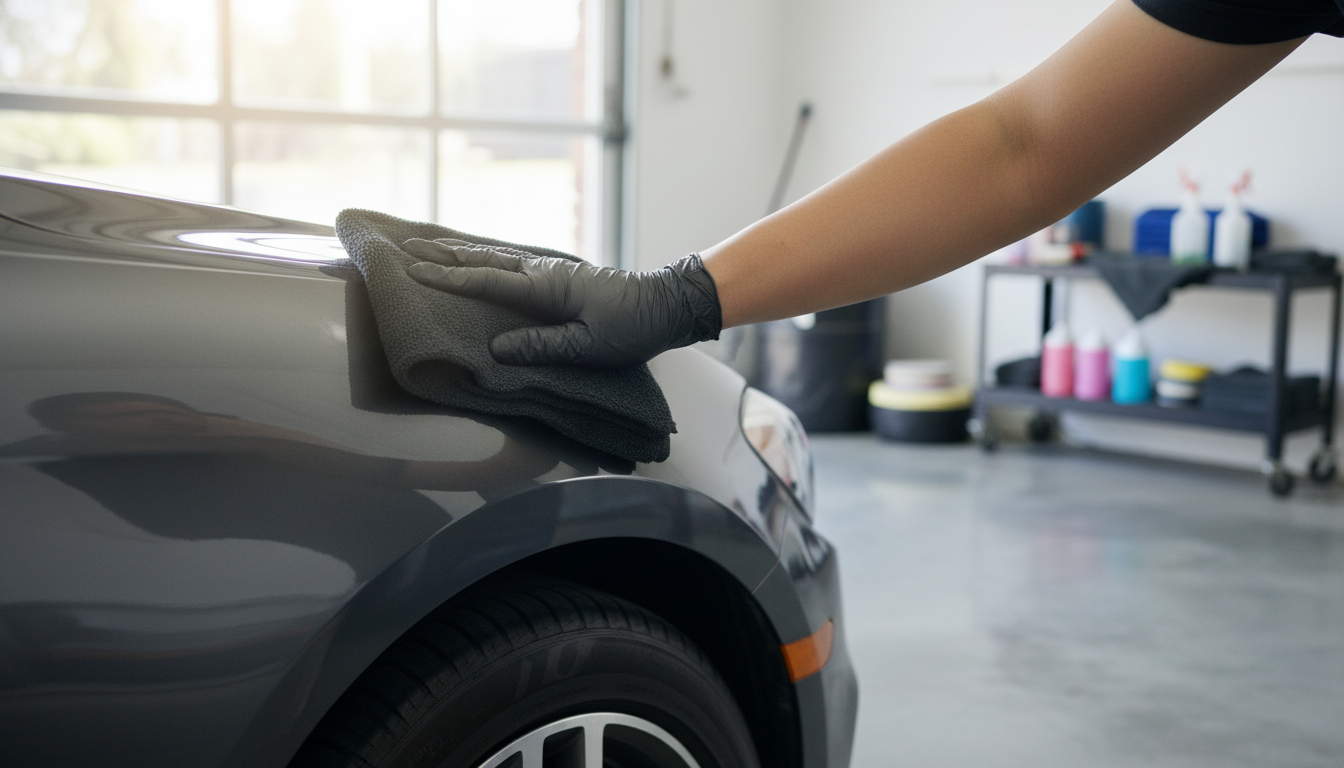
PovertySoft 320GSM Microfiber Cleaning Towel: Ultra Absorbent, Lint-Free Results for Everyday Detailing
A dependable microfiber towel can make cleaning faster, safer on surfaces, and less frustrating. The PovertySoft 320GSM Microfiber Cleaning Towel is built for quick wipe-downs, drying, and polishing with a soft feel and minimal lint—useful for car interiors, glass, dashboards, and household surfaces where streaks and residue are common. It’s the kind of “always within reach” towel that fits neatly in a glovebox, cleaning caddy, or garage shelf, ready for frequent touch-ups.
What a 320GSM Microfiber Towel Feels Like in Real Use
Microfiber “GSM” (grams per square meter) is a practical way to gauge thickness and overall feel. At 320GSM, this towel lands in a medium-weight sweet spot: plush enough to pick up dust and light grime efficiently, while still being easy to wring out and quick to dry between tasks.
- Medium-weight thickness that balances absorbency with easy wringing and faster drying between tasks
- Soft microfiber pile helps pick up dust, light grime, and residue without leaving fuzz behind on smooth surfaces
- Comfortable for quick, repeated passes on panels, glass, and screens when used with light pressure
- Practical for keeping in a glovebox, cleaning caddy, or garage shelf for frequent touch-ups
If you’re used to ultra-thick drying towels, 320GSM won’t feel bulky. Instead, it feels nimble—better for daily upkeep where you want control, consistent contact with the surface, and a towel that won’t stay damp for hours.
Best Uses Around the Car and Home
A general-purpose microfiber towel earns its keep when it can move from interior plastics to glass to household counters without drama—as long as you keep “clean zones” and “dirty zones” separated (more on that below).
- Car interior: dashboards, center consoles, door panels, and trim for dust and fingerprints
- Car exterior touch-ups: removing light dust, drying after a rinse, and buffing spray waxes or quick detailers
- Glass and mirrors: final buff to reduce streaks (pair with a dedicated glass towel if needed for perfection)
- Kitchen and bathroom: wiping counters, fixtures, and stainless steel with less paper towel waste
- Electronics: gentle cleaning for glossy surfaces when used dry or with a small amount of safe screen cleaner
For everyday detailing and home cleanup, having multiple towels on hand helps avoid cross-contamination. A budget-friendly option like this makes it easier to assign towels to specific tasks rather than trying to make one towel do everything.
How to Use It for Lint-Free, Streak-Reduced Wiping
Microfiber works best when it’s clean, used with light pressure, and rotated often. A few small habits can noticeably reduce streaking on glass and lower the risk of micro-marring on sensitive finishes.
- Start with the towel clean and dry; shake it out to remove any loose debris before touching paint or glass
- Fold into quarters to create multiple clean faces; rotate to a fresh side as the towel loads up
- For glass: mist cleaner onto the surface (or lightly onto the towel) and finish with a dry pass
- For drying: blot and drag gently rather than scrubbing to reduce the chance of marring on delicate finishes
- Keep separate towels for greasy jobs (wheels, engine bay) vs. sensitive surfaces (paint, screens)
If you’re working on a dusty car, a quick pre-rinse (or a proper wash) before wiping is a safer path than dry-wiping heavy dirt. For more car-care basics and safe washing habits, the International Carwash Association is a helpful reference point.
Key Specs at a Glance
- 320GSM microfiber construction aimed at absorbent, everyday cleaning and detailing
- Designed to minimize lint on smooth surfaces when properly washed and kept free of debris
- A budget-friendly option for stocking multiple towels for different cleaning zones
Quick Comparison: Common Microfiber Towel Weights
| GSM Range | Typical Feel | Best For | Trade-Offs |
|---|---|---|---|
| 200–300 | Thin/light | Glass, quick wipe-downs, interiors | Less absorbent; can feel grabby when damp |
| 300–400 (like 320GSM) | Medium/plush balance | General cleaning, drying, polishing | Not as thick as premium drying towels |
| 450–600+ | Very plush/thick | High-absorbency drying, gentle paint buffing | Can hold more product; slower to dry; higher cost |
Care and Washing Tips to Keep Microfiber Performing
Proper washing is the difference between microfiber that stays grabby and absorbent versus towels that smear, lint, or feel “waxy.” General laundry guidance from the American Cleaning Institute (ACI) aligns well with microfiber best practices: keep loads appropriate, use the right detergent, and avoid additives that leave residue.
When choosing cleaning sprays, it also helps to look for products designed to minimize harsh residues. The U.S. EPA Safer Choice program is a useful starting point when comparing household cleaners for routine use.
Common Mistakes That Cause Scratches or Streaks
When to Replace a Microfiber Towel
In-Stock Picks to Build a Simple Detailing Kit
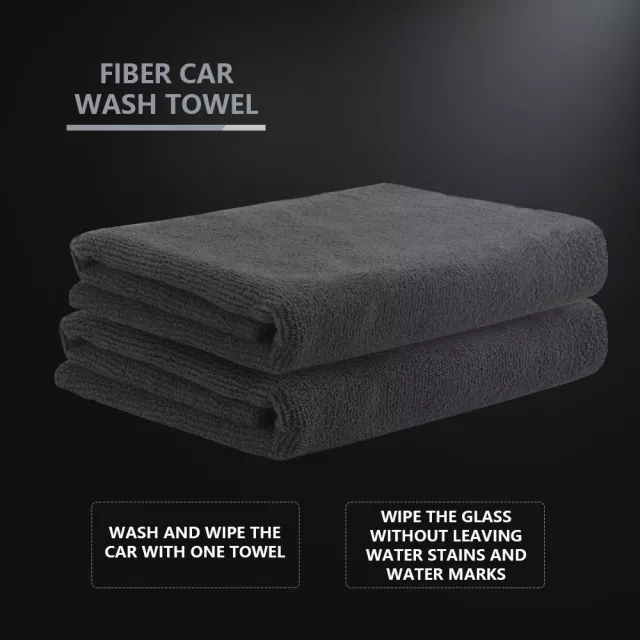
- PovertySoft 320GSM Microfiber Cleaning Towel – Ultra Absorbent & Lint-Free (great as an all-around towel for interiors, glass buffing, and quick drying)
- Crystal Moon & Star Car Vent Clips (an easy interior accent after you’ve wiped down vents and dash surfaces)
FAQ
Can a 320GSM microfiber towel be used on car paint without scratching?
Yes—when the towel is clean, free of grit, and used with light pressure. Fold it into quarters and rotate to a fresh side often, and keep separate towels for dirty areas like wheels.
Why is my microfiber towel leaving streaks on glass?
Streaks are commonly caused by using too much cleaner, detergent residue left in the towel, or the towel picking up oils. Use a lightly damp pass and then a dry buffing pass, and avoid fabric softener.
How should microfiber towels be washed to stay absorbent and lint-free?
Wash them with mild liquid detergent, skip fabric softeners and dryer sheets, and keep them separate from cotton items. Air-dry or tumble dry on low heat to protect the fibers.















Leave a comment