Shiatsu Foot Massager With Heat: Ease Sore Feet Fast
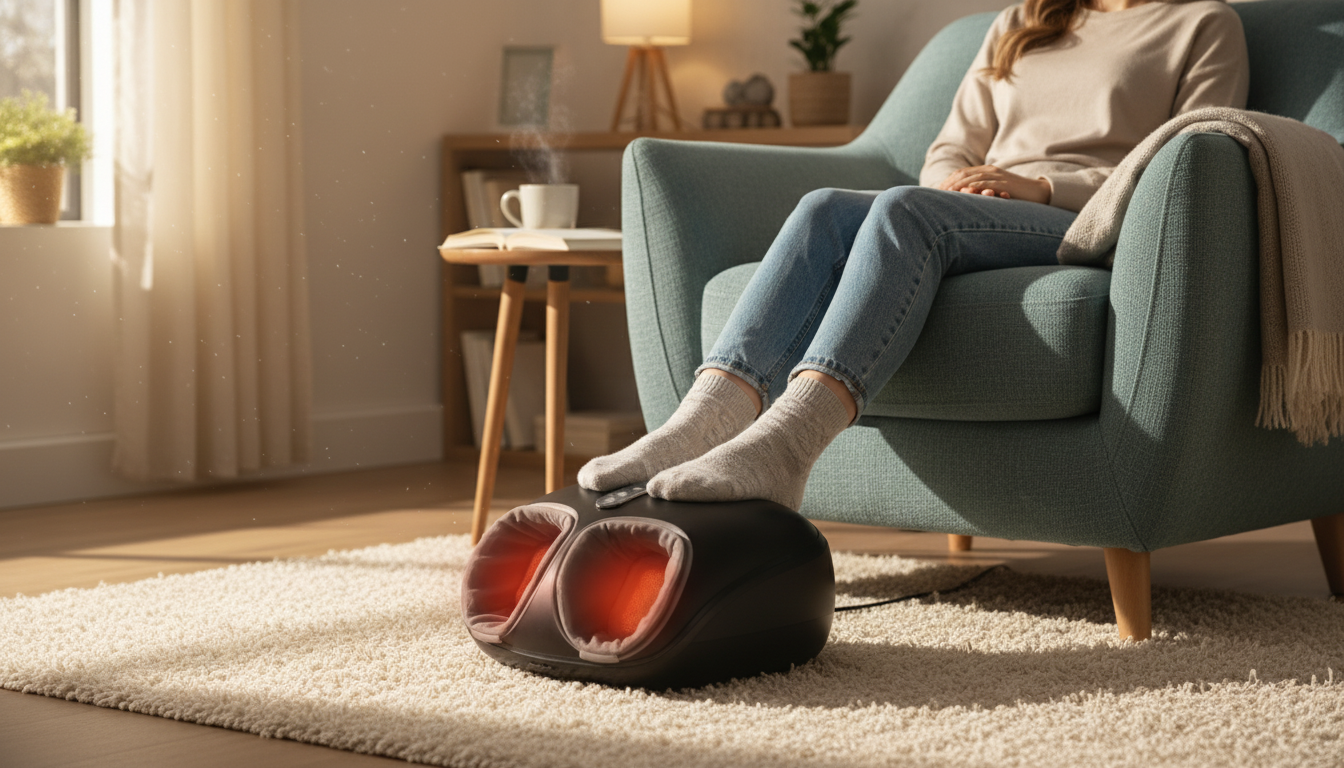
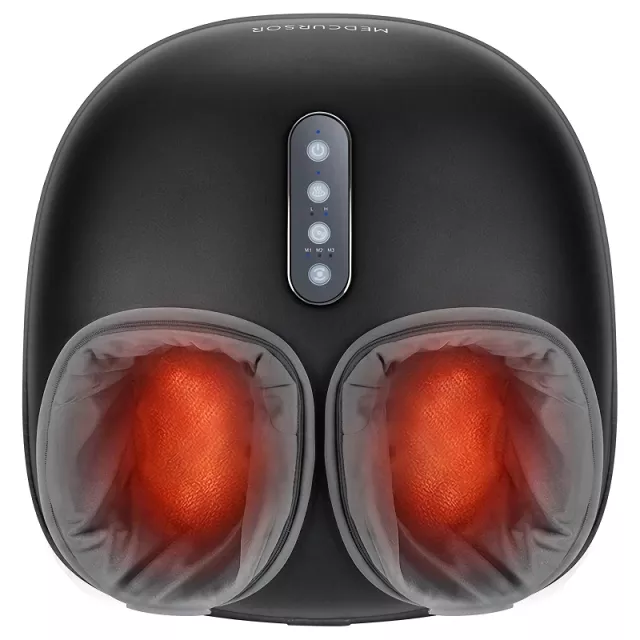
Shiatsu Foot Massager with Heat for Pain Relief and Relaxation
Sore, tired feet can make the whole body feel tense—especially after long days of standing, workouts, or hours at a desk. A shiatsu foot massager with heat combines deep-kneading pressure and gentle warmth to help ease discomfort, improve circulation, and support a calmer end-of-day routine at home.
For a simple upgrade to your downtime, the Shiatsu Foot Massager with Heat for Pain Relief and Relaxation brings targeted pressure to common trouble spots like the soles, arches, and heels—plus optional heat for an extra-soothing finish.
What Shiatsu Massage Does for Tired Feet
Shiatsu-style massage focuses on rhythmic pressure that feels closer to “hands-on kneading” than a surface-level vibration. That’s useful for feet because tension often hides in small, overworked areas—especially along the arch and the ball of the foot.
- Mimics kneading pressure to work into the soles and arches where tension commonly builds
- Encourages relaxation by reducing the “tight, wound-up” feeling after activity
- Can be useful for occasional foot soreness from walking, standing, or footwear that lacks support
- Often pairs well with a short wind-down routine (hydration, gentle stretching, then massage)
Massage therapy is commonly used to promote relaxation and reduce muscle tension; for a broader overview of how massage is used and what to expect, see the Cleveland Clinic’s guide to massage therapy.
Why Heat Makes a Difference
Heat can change the entire feel of a foot massage. When your feet feel stiff or “locked up,” warmth helps create a more comfortable session and may make it easier to settle into the kneading sensation rather than bracing against it.
- Warmth helps loosen stiff-feeling tissues and can make kneading feel more comfortable
- Supports a soothing sensation that many people prefer in the evening or before bed
- May help with cold feet by creating a gentle warming effect during the session
- Best used at a comfortable temperature—heat should feel pleasant, not intense
For practical guidance on safe heat use, including when to avoid it, the Mayo Clinic overview of heat therapy is a helpful reference.
Feature Highlights to Look For
Not every foot massager feels the same. The most satisfying experiences usually come down to whether the kneading reaches your personal “hot spots” and whether you can adjust intensity to match the day you’ve had.
- Kneading nodes or rollers that reach the arch and heel (common tension zones)
- Optional heat setting so sessions can be customized
- Multiple intensity levels to avoid “too much pressure” on sensitive days
- Easy-to-clean liners or interior surfaces for regular use
- Stable base and straightforward controls for quick start/stop
Common settings and what they’re good for
| Setting | Best for | Tip for comfort |
|---|---|---|
| Low intensity | Sensitive feet, first-time use | Start with socks on and shorter sessions |
| Medium intensity | General daily relief | Keep feet centered over the kneading area |
| High intensity | Deep pressure preference | Use after warming up or light stretching |
| Heat on | Stiffness, relaxation, cold feet | Use a comfortable warmth—stop if it feels too hot |
| Heat off | Warm weather, heat sensitivity | Pair with brief foot elevation afterward |
Using a Foot Massager for Better Results
A great session isn’t about forcing intensity—it’s about letting the massage do the work while you stay relaxed. Small tweaks (like timing and positioning) can make the pressure feel more effective and less “too much.”
- Session length: begin with 10–15 minutes, then adjust based on comfort
- Timing: after a shower, post-workout cooldown, or before bed for relaxation
- Positioning: sit with knees at a comfortable angle; avoid pressing down hard to “force” intensity
- Consistency: short, regular sessions often feel better than occasional long ones
- Aftercare: drink water and consider gentle calf/foot stretches to maintain the relaxed feeling
If you want your massage time to feel more like a personal routine, small comfort add-ons can help you actually stick with it. Something as simple as keeping hair off your face while you unwind—like the Spring Plaid Wide Padded Headband – Chic Cotton Blend Hair Accessory—can make stretching and recovery feel less fussy.
Who It’s Great For (and When to Be Careful)
A shiatsu foot massager with heat can be a practical tool for everyday soreness, especially when your feet take the brunt of your schedule. At the same time, it’s important to respect warning signs and skip use when the body is asking for a different kind of care.
For a balanced, evidence-based look at massage therapy—benefits, safety, and considerations—the NCCIH (NIH) massage therapy overview is a solid resource.
A Simple At-Home Relaxation Routine
If you like to keep your relaxation tools organized (especially for travel or gym bags), a soft accessory like the Retro Corduroy Hair Scrunchies & Headbands – Large, Soft & Stylish can be an easy throw-in alongside socks, a resistance band, or a mini lotion.
FAQ
How long should a shiatsu foot massager session be?
Start with 10–15 minutes and adjust based on how your feet feel during and after the session. If you notice increased soreness, shorten the session or lower the intensity.
Is heat safe to use every day?
Heat is generally fine for short sessions at a comfortable warmth, especially when it feels soothing rather than intense. If you’re heat-sensitive or have a medical condition that affects sensation or circulation, check with a clinician and stop if it feels too hot.
Can a foot massager help with plantar fasciitis discomfort?
It may provide temporary relief and relaxation for some people, especially at a gentle intensity. Pairing massage with consistent stretching can help, and persistent or worsening pain is a good reason to consult a professional.














Leave a comment