Spinner Luggage Set Guide: 18″ Carry-On to 24″ Check-In
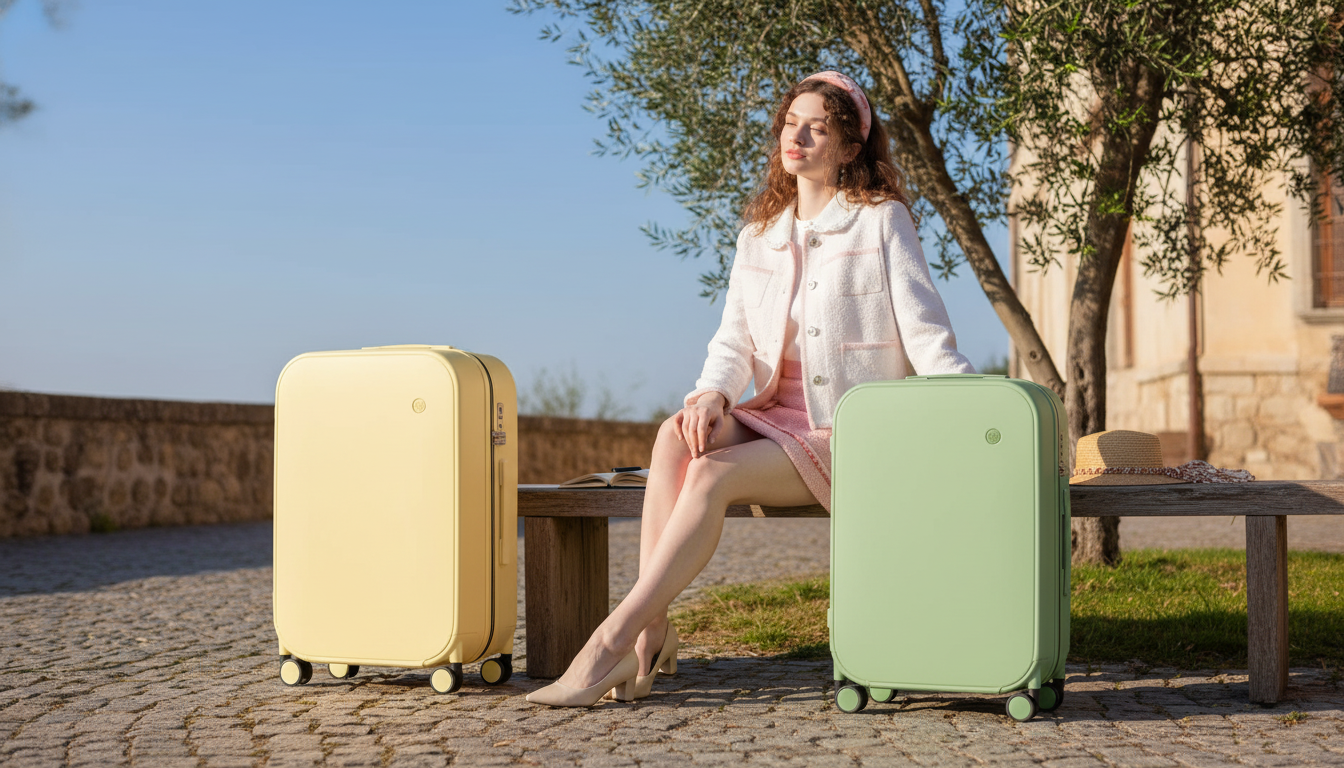
Stylish Spinner Travel Luggage (18″ Carry-On to 24″ Check-In): What to Look For and How This Set Fits Real Trips
A good suitcase should glide through terminals, protect what’s inside, and still look polished after multiple trips. This spinner luggage option spans an 18″ carry-on through a 24″ check-in size, offering an easy-to-match look and rolling convenience for weekend getaways, work travel, and longer vacations. The right pick comes down to how you actually travel—tight connections, hotel elevators, rideshares, and the inevitable curbside haul—so it helps to know what features matter most before checkout day arrives.
Who this luggage range suits best
- Frequent flyers who want smooth maneuvering in airports thanks to multi-wheel spinner mobility
- Travelers who prefer a coordinated look across carry-on and check-in sizes
- Weekend and short business trips where an 18″ carry-on keeps packing light and fast
- Longer itineraries that benefit from a 24″ check-in option for expanded packing capacity
- Anyone who values a balance of style and practicality without switching brands between trip lengths
Carry-on vs. check-in: choosing the right size for the trip
The easiest way to avoid overpacking (or underpacking) is to match suitcase size to the trip’s real demands: weather, shoes, and whether you’ll bring anything home. An 18″ carry-on can feel liberating—no baggage claim and fewer “just in case” items. A 24″ check-in is the better choice when layers and extra footwear are unavoidable, or when you’re packing for more than one person.
- 18″ carry-on: best for 1–3 days, minimalist packing, and skipping baggage claim when airline rules allow
- 24″ check-in: better for 4–10 days, bulkier clothing, shoes, or shared packing for a family member
- Consider how often trips include gifts, event outfits, or outerwear that increases volume
- If traveling with a laptop bag or tote, plan how it pairs with the suitcase handle and rolling stability
- Airline size limits vary—verify before travel, especially for smaller regional aircraft
Quick sizing guide for typical travel scenarios
| Trip type | Recommended size | Packing notes | Best practice |
|---|---|---|---|
| Weekend city break | 18″ carry-on | 2–3 outfits, compact toiletries, one pair of shoes | Use packing cubes to keep items stable while rolling |
| 3–5 day work trip | 18″ carry-on (or 24″ if formalwear) | Business outfits wrinkle easily; add garment folder | Place heavier items near the wheel side for easier handling |
| One-week vacation | 24″ check-in | More shoes, layers, and souvenirs | Leave a little space for return-trip purchases |
| Cold-weather travel | 24″ check-in | Coats and boots take up room quickly | Roll knits; pack boots along edges to reduce wasted space |
Why spinner wheels change the travel experience
Spinner wheels are less about “nice to have” and more about reducing the little frictions that add up—especially in airports. Instead of dragging a tilted suitcase behind you, spinners can roll upright, pivot quickly, and move alongside your stride.
- Spinner wheels allow upright rolling in tight spaces like jet bridges and hotel lobbies
- Better maneuverability reduces wrist strain compared to dragging a two-wheel suitcase
- Easier pacing through crowds—push, pull, or roll alongside without tilting
- For uneven sidewalks, switching from full side-by-side rolling to a slight tilt can improve control
- Wheel durability matters: avoid overloading and protect wheels from hard curb impacts
Features that matter most on travel days
When travel gets hectic, the “small” build details become the difference between smooth and frustrating. Focus on components that affect control, lifting, and how your clothes look when you unzip at the destination.
For security and packing rules, it’s also smart to reference official guidance before departure. TSA explains what makes a lock “TSA accepted” and how agents may open luggage during screening (TSA: Locks and Luggage). For items that should never go in checked baggage (like spare lithium batteries), the FAA’s packing resource is a practical checklist (FAA: Pack Safe).
Style and durability: keeping luggage looking sharp
Product spotlight: Stylish Spinner Travel Luggage (18″ to 24″)
If you want a single, consistent look across trip lengths, Stylish Spinner Travel Luggage: 18″ Carry-On to 24″ Check-In Suitcases with Wheels covers the most commonly used sizes for real-world travel planning. The 18″ option is ideal when you’re moving quickly and packing light; the 24″ option makes sense when weather, extra shoes, or return-trip purchases demand more space.
For travelers who like to keep a simple, photo-ready look on the go, small accessories can help you feel pulled together after a long flight. A lightweight add-on like the Spring Plaid Wide Padded Headband – Chic Cotton Blend Hair Accessory is an easy pack-and-wear option that doesn’t take up suitcase space.
Care tips to extend the life of spinner suitcases
FAQ
Is an 18″ suitcase always accepted as a carry-on?
Carry-on size rules vary by airline and route, especially on regional aircraft. An 18″ bag often fits many policies, but it’s still worth confirming the airline’s current carry-on dimensions and weight limits before flying.
Are spinner wheels better than two wheels?
Spinner wheels are typically easier to maneuver in airports and tight indoor spaces because they roll upright and pivot quickly. Two-wheel bags can feel steadier on rough pavement, so loading evenly and avoiding overpacking helps spinners perform their best.
What size is best for a one-week trip: 18″ or 24″?
A 24″ check-in is the better fit for most one-week trips, especially with multiple shoes, layers, or souvenirs. An 18″ can work for minimalist packers who can do laundry and don’t need bulky outerwear.
















Leave a comment