Toddler Nightmares: A Calm 5-Step Plan for Better Sleep
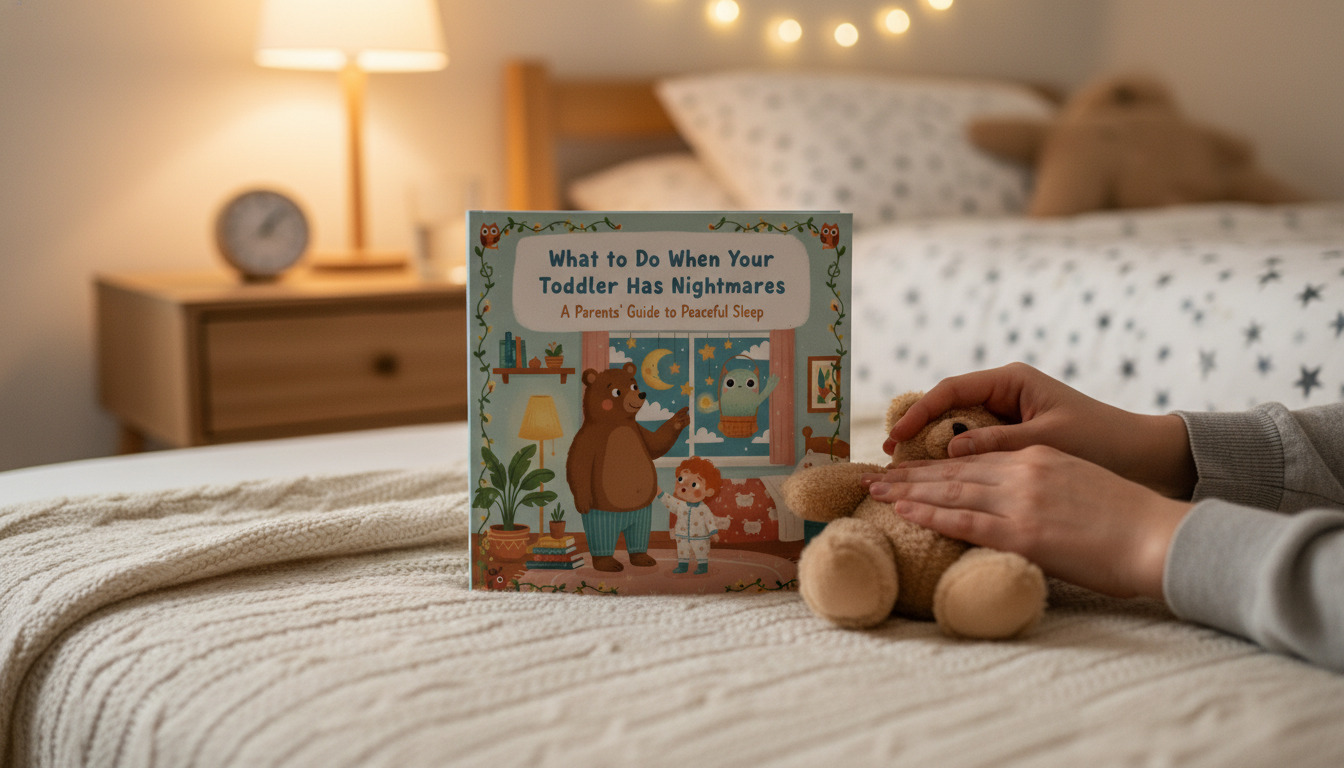
What to Do When Your Toddler Has Nightmares: Practical Comforting Tips and Bedtime Solutions
Nightmares can leave toddlers frightened, clingy, and wary of sleep—sometimes for days. A calm, predictable response at night and a few targeted daytime adjustments can reduce fear, rebuild a sense of safety, and improve sleep for the whole family. The goal is to comfort quickly, avoid accidentally reinforcing bedtime anxiety, and identify patterns that make nightmares more likely.
Nightmares vs. night terrors: why the difference matters
Not every scary nighttime episode is a nightmare. Knowing what you’re dealing with helps you respond in a way that actually helps your child settle.
- Nightmares usually happen in the second half of the night during REM sleep. Toddlers often wake fully, feel scared, and may remember parts of the dream.
- Night terrors tend to occur earlier in the night. Children may cry, look awake, or thrash but are often not fully conscious and usually do not remember the episode.
- If your toddler recognizes you, can be comforted, and resists going back to sleep, nightmares are more likely.
- If your child seems “not there,” is hard to console, and you can’t “reach” them, consider night terrors.
| Feature | Nightmares | Night Terrors |
|---|---|---|
| When they happen | Often later in the night (more REM sleep) | Often early in the night (deep sleep) |
| Child fully awake? | Usually yes | Often no (appears awake but isn’t responsive) |
| Memory the next day | May remember pieces | Typically none |
| Best caregiver response | Comfort, name feelings, brief reassurance | Keep safe, keep lights/sound low, wait it out |
What to do in the moment: a calm 5-step plan
When a nightmare hits, the most effective approach is steady, short, and repeatable. Think: soothe, reset, return to routine.
- Start with safety and presence. Approach quietly, sit close, and use a soft voice. Avoid flipping on bright lights unless you need them for safety.
- Ground in reality. Simple phrases help more than questions: “You’re safe. It was a scary dream. I’m here.”
- Offer small choices to restore control. Try: “Do you want a sip of water or a hug?” “Do you want to sit in bed or on the chair?”
- Keep it brief and boring. Long talks, screens, snacks, or moving to the living room can accidentally teach that waking up brings rewards.
- Return to a predictable bedtime routine. Back to bed, one comfort ritual (2-minute cuddle, quick song, or reassurance), then a consistent goodnight.
Words that calm without escalating fear
Toddlers borrow their emotional volume from adults. The calmer and simpler you are, the faster their nervous system settles.
- Validate feelings without confirming the dream as real. Say, “That felt really scary,” rather than “There’s nothing there, stop.”
- Avoid overpromising. “Nothing bad will ever happen” can backfire. Use: “Your room is safe,” or “I’ll check on you in a little bit.”
- Try a “dream reset” script. Name the feeling, name the safety cue, then redirect: “Scared feeling. Safe bed. Slow breaths.”
- If they want details, keep it minimal. One sentence acknowledging the dream, then pivot to comfort and sleep.
- Save deeper conversations for daytime. If the same nightmare repeats, talk about it after breakfast—not at 2 a.m.
Daytime prevention: reduce nightmare triggers and build security
Nightmares are common in toddlerhood because imagination and emotional learning are exploding. A few daytime shifts often reduce how often nightmares show up.
Bedtime setup that supports calmer nights
When nightmares keep coming back: a simple plan for recurring themes
A guided option for parents who want a step-by-step approach
- Look for practical scripts, bedtime checklists, and troubleshooting for repeated wake-ups, fear of the dark, and bedtime clinginess.
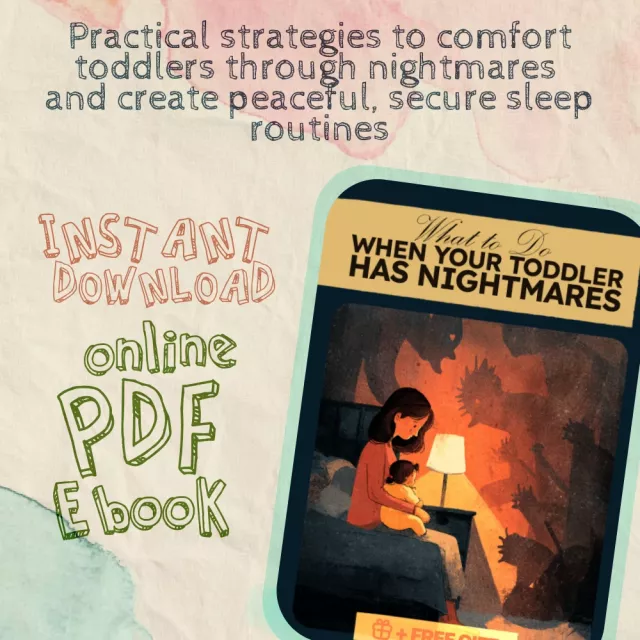
- For a ready-to-use framework, see What to Do When Your Toddler Has Nightmares | Ebook Guide for Parents | Practical Comforting Tips & Bedtime Solutions.
- For quick, hands-free bedtime routines (hair out of your face during bath/books), keep simple accessories nearby like the Retro Corduroy Hair Scrunchies & Headbands – Large, Soft & Stylish or the Spring Plaid Wide Padded Headband – Chic Cotton Blend Hair Accessory.
| Common approach | Why it can backfire | Better alternative |
|---|---|---|
| Lengthy reassurance talks at 2 a.m. | Becomes stimulating and delays sleep | Short script + return to routine |
| Repeated room checks | Reinforces checking as a safety behavior | One check + predictable stop point |
| Letting toddler watch videos to calm down | Light and content can increase arousal | Dim light + breathing + cuddle |
| Sleeping in parents’ bed every time | Can create a new expectation | Gradual support in toddler’s room |
When to call the pediatrician
Reliable resources for healthy sleep
- American Academy of Pediatrics: Healthy Sleep Habits
- Sleep Foundation: Nightmares
- NHS: Night terrors and nightmares in children
FAQ
Should a toddler be woken up from a nightmare?
If your toddler is awake and distressed, comfort them and help them settle back to sleep. If it looks more like a night terror (not fully awake and inconsolable), avoid waking and focus on keeping them safe while it passes.
Is it okay to let my toddler sleep in my bed after a nightmare?
Occasionally may be fine, but doing it every time can create a new expectation after night wakings. If it becomes frequent, try brief comfort in their room or a gradual plan that keeps sleep consistent.
What causes nightmares in toddlers?
Common causes include normal imagination and brain development, stress or changes in routine, overtiredness, illness/fever, and exposure to scary media—especially close to bedtime.















Leave a comment