3-Pack Child Safety Cabinet Locks: Quick Home Childproofing
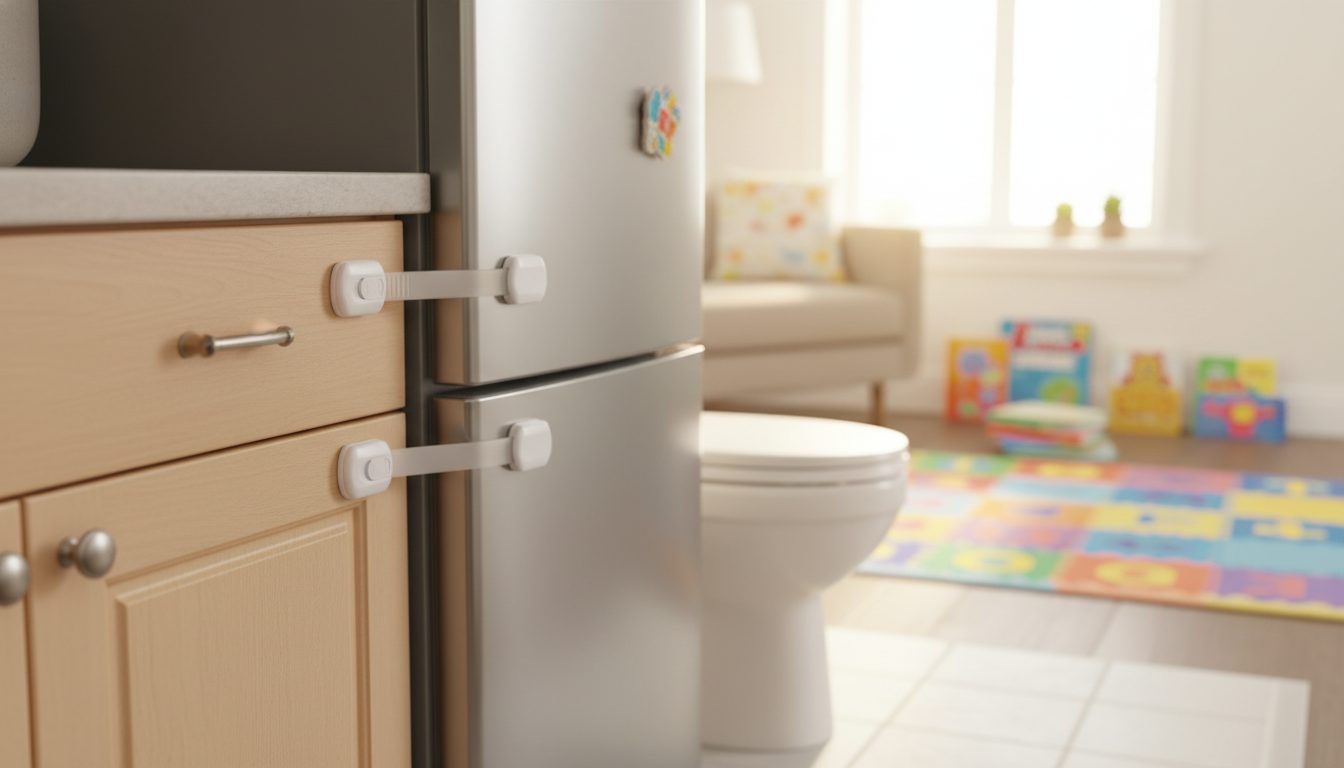
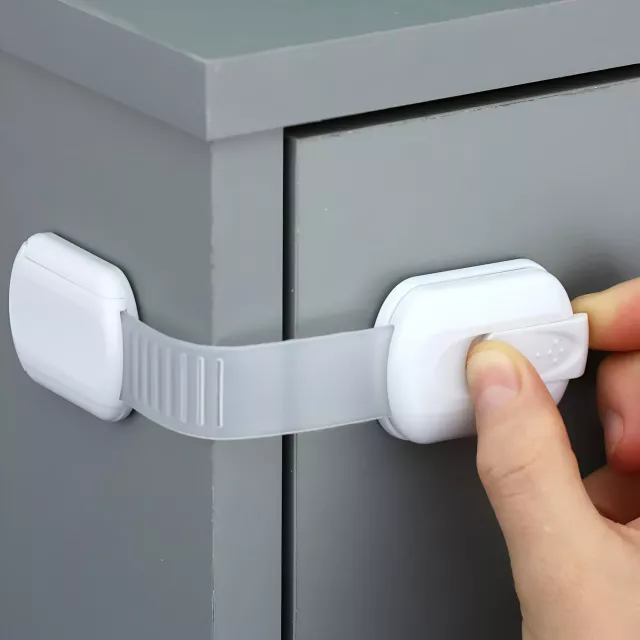
3-Pack Child Safety Cabinet Locks for Drawers, Ovens, Fridges & Toilets
Curious hands move fast—especially around cabinets, appliances, and bathroom fixtures. A simple set of multi-use safety locks can reduce access to cleaners, sharp tools, hot appliances, and other hazards while keeping everyday routines practical for adults. With a 3-pack on hand, it’s easier to cover the most tempting “grab-and-go” zones first, then expand protection as your child learns new ways to climb, reach, and pull.
Why multi-surface safety locks matter at home
Childproofing works best when it’s consistent across the spaces your family uses most. Multi-surface safety locks help create simple, repeatable boundaries without requiring a different solution for every door, drawer, or lid.
- Helps limit access to cleaning products, medicines, and small objects stored in drawers and cabinets.
- Adds a barrier to appliances and lids where pinched fingers or spills can happen.
- Supports consistent rules across rooms (kitchen, laundry, bathroom) without changing hardware.
- Useful during the most active phases: crawling, cruising, and early toddler exploration.
For broader guidance on reducing common household hazards, review home safety resources from the American Academy of Pediatrics and injury prevention materials from the CDC.
What’s included and where these locks work best
This set includes three locks—enough to make a noticeable difference right away, especially if you prioritize the highest-risk zones first.
- Pack size: 3 locks for spreading protection across high-priority spots.
- Common placements: cabinet doors, drawers, ovens, fridges, toilet lids, and other hinged or pull-open surfaces.
- Best used on frequently accessed hazard zones first (under-sink cabinet, trash pull-out, utensil drawers, fridge door).
- A uniform lock style can make it easier for caregivers to remember the open/close routine.
Placement ideas and what each area helps prevent
| Location | Typical hazard | Good use case |
|---|---|---|
| Under-sink cabinet | Cleaners and detergents | Block access to sprays, pods, and bleach |
| Drawer with tools/utensils | Sharp items and pinch points | Limit access to knives, scissors, peelers |
| Oven door | Heat and tipping risks | Discourage opening during cooking or right after use |
| Fridge/freezer | Spoiled food and messes | Reduce frequent opening and rummaging |
| Toilet lid | Drowning risk and sanitation | Keep lid closed between cleanings/visits |
Quick setup checklist for a secure hold
Even a simple lock performs better when installation is treated like a quick “prep-and-check” routine. Small steps—like cleaning the surface and waiting before testing—can help the lock stay reliable in high-use areas.
- Clean and dry the surface fully before applying any lock to improve grip and longevity.
- Place the lock where adult access is comfortable but small hands have limited leverage.
- Allow time for the attachment to settle before stress-testing (avoid immediate heavy tugging).
- Test twice: confirm the lock holds under a firm pull and confirm adults can open it smoothly.
- Re-check weekly in high-use areas like the fridge or frequently opened drawers.
Everyday use tips (kitchen-to-bathroom routine)
Locks are most effective when they become automatic—just like buckling a car seat or closing a baby gate. A predictable routine also helps other caregivers (grandparents, babysitters, older siblings) follow the same safety pattern.
- Pick a consistent rule: lock everything after each use, not only when leaving the room.
- Keep hazardous items high even when locked; locks are a barrier, not a substitute for safe storage.
- For fridges, pair locking with a lower snack bin to reduce repeated requests and openings.
- For ovens, consider also turning pot handles inward and using back burners when possible.
- For toilets, keep bathroom doors closed as an added layer if feasible.
Safety notes and realistic expectations
No single product replaces active supervision—especially as children grow and figure out new ways to pull, twist, and climb. Think of safety locks as one layer in a larger plan that reduces quick access to hazards while adults handle daily tasks.
- No lock is child-proof for every child; supervision remains essential.
- Inspect for wear, loosening, or damage—especially after repeated pulling or slamming.
- Avoid using on surfaces that are crumbling, oily, wet, or exposed to high heat beyond intended use.
- Remove or reposition if the lock interferes with safe adult operation of an appliance.
For additional consumer product safety education, the U.S. Consumer Product Safety Commission (CPSC) provides prevention-focused resources.
Product spotlight: 3-Pack Child Safety Cabinet Locks
If you’re ready to cover the “big three” hotspots—like the under-sink cabinet, a sharp utensil drawer, and the fridge—start with 3-Pack Child Safety Cabinet Locks for Drawers, Ovens, Fridges & Toilets. A three-lock set is a practical starter quantity for small apartments or for focusing on the highest-risk areas first, and it pairs well with a broader childproofing plan (secured storage, corner guards, and outlet protection).
More in-stock finds
- Spring Plaid Wide Padded Headband – Chic Cotton Blend Hair Accessory
- Retro Corduroy Hair Scrunchies & Headbands – Large, Soft & Stylish
- Crystal Moon & Star Car Vent Clips
FAQ
Will these locks work on both drawers and cabinet doors?
They’re typically used on both pull-open drawers and swing-open cabinet doors, as long as the surfaces are compatible and there’s enough clearance for the lock to sit flat. Before final placement, test the position by closing the drawer/door and confirming the lock engages without rubbing or blocking normal adult operation.
Are cabinet locks enough to keep a toddler safe?
No—locks reduce access, but they don’t replace supervision or safe storage habits. Keep chemicals and medicines stored high when possible, use child-resistant packaging, and treat locks as one layer of protection rather than the only safeguard.
Where should safety locks be installed first?
Start with the highest-risk areas: under-sink cabinets (toxins), knife/utensil drawers (sharps), trash pull-outs (choking hazards), and bathrooms (water and sanitation risks). After that, move to “high-temptation” spots like the fridge or any low cabinet that’s opened frequently during daily routines.














Leave a comment