Adjustable Ankle Sleeve with Strap: Sports Pain Relief

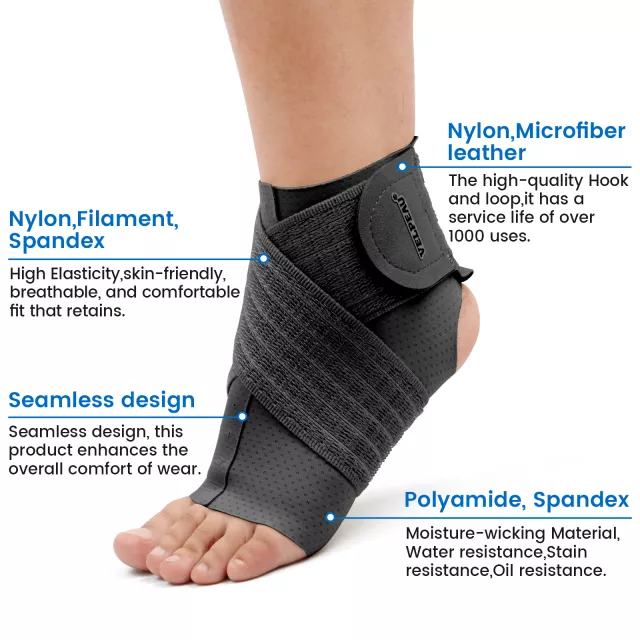
An adjustable ankle sleeve with a built-in compression strap combines a snug, breathable fit with targeted wraparound support. It’s designed to help reduce discomfort, manage swelling, and improve confidence during movement—whether the goal is returning to training, getting through long shifts on feet, or adding stability after a minor twist.
What this ankle sleeve is designed to do
- Adds consistent compression around the ankle to help manage mild swelling and everyday soreness
- Uses an adjustable strap to concentrate support where it’s needed most during activity
- Helps improve stability for common movements like walking, running, jumping, and lateral cuts
- Fits inside many athletic shoes to provide support without bulky rigid bracing
- Suitable for training, court sports, hiking, and daily wear when extra ankle confidence is needed
Compression support is often used as part of a broader routine—smart warm-ups, ankle mobility, and gradual return to activity. For general guidance on sprains and recovery basics, these references can be helpful: AAOS OrthoInfo — Sprained Ankle, Mayo Clinic — Sprained ankle, and NHS — Sprains and strains.
How the compression strap changes the feel of support
- The sleeve provides even, all-around compression; the strap adds directional reinforcement for a more “locked-in” feel
- Strap tension can be loosened for comfort during rest or tightened for activity and higher-demand movements
- Targeted wrap support may help reduce the sense of ankle “giving way” during quick direction changes
- Adjustability makes it easier to accommodate fluctuating swelling across the day
Sleeve vs. sleeve with adjustable strap
| Feature | Standard sleeve | Sleeve + compression strap |
|---|---|---|
| Compression feel | Even, moderate | Even + targeted reinforcement |
| Adjustability | Limited | High (tighten/loosen strap) |
| Best for | Daily comfort, mild support | Sports, higher-demand stability |
| Fit in shoes | Usually easy | Usually easy, but depends on strap bulk |
For many active routines, the most noticeable benefit is the “tuneable” support: easy pressure during low-demand walking and a firmer wrap when the pace picks up (warm-ups, sprints, jumping drills, or court play). That quick adjustment can also be useful if the ankle tends to feel puffier later in the day.
Getting the right fit (and avoiding common mistakes)
- Start with the sleeve centered on the ankle joint; ensure there are no folds or rolled edges that can pinch
- Tighten the strap gradually: aim for supportive tension without numbness, tingling, or color change in toes
- For activity, tighten to a stable feel; for long wear, slightly reduce tension to prioritize circulation and comfort
- If swelling increases during the day, loosen the strap briefly and re-adjust once comfortable
- Stop use and consult a clinician if pain is severe, persistent, or accompanied by significant instability
A practical tip: after you set the strap, take 10–20 steps and do a few gentle ankle circles. If the sleeve migrates, wrinkles, or creates hot spots, reset the position and re-tighten more gradually. The goal is support that stays consistent without feeling restrictive.
When ankle compression support is commonly used
- Minor sprains and “rolled ankle” recovery support during light movement (as appropriate for the stage of healing)
- Tendon and ligament irritation where gentle compression feels relieving during daily tasks
- Sports and training support for running, basketball, volleyball, tennis, soccer, and gym workouts
- Workdays with extended standing or walking that trigger ankle fatigue or mild swelling
- As a supportive layer alongside recommended rehab exercises and mobility work
Compression sleeves with straps are a flexible option when motion is still desired. For more serious injuries or when the ankle feels truly unstable, a clinician may recommend a different level of bracing, activity limits, or imaging to rule out more significant damage.
Care and durability for regular training
- Hand wash or gentle cycle to preserve elasticity; avoid high heat drying to reduce premature stretching
- Allow full air-dry before re-wearing to help maintain shape and reduce odor buildup
- Check strap fastening surfaces regularly and remove lint to keep grip strong
- Replace if the sleeve no longer rebounds, slips during activity, or can’t hold consistent compression
If the strap starts losing grip, a quick lint removal (or a gentle brush) can restore the hook-and-loop bite. Keeping the sleeve clean and fully dry between wears also helps it feel more comfortable against the skin over long weeks of training.
Product overview: Adjustable Ankle Support Sleeve with Compression Strap
This budget-friendly support option combines an easy-to-wear compression sleeve with an adjustable strap so the tension can match the moment—lighter for everyday mobility, firmer for training sessions. For a closer look, visit the product page: Adjustable Ankle Support Sleeve with Compression Strap for Pain Relief & Sports.
Quick details
| Item | Details |
|---|---|
| Product | Adjustable Ankle Support Sleeve with Compression Strap for Pain Relief & Sports |
| Price | 14.51 USD |
| Availability | In stock |
| Category | Health & Beauty |
| Product page | View product |
More in-stock finds
- Spring Plaid Wide Padded Headband – Chic Cotton Blend Hair Accessory
- Retro Corduroy Hair Scrunchies & Headbands – Large, Soft & Stylish
- Crystal Moon & Star Car Vent Clips
FAQ
Can an ankle compression sleeve with a strap be worn all day?
Often yes for many people, but comfort and circulation come first. For long wear, keep the strap slightly looser and remove it if you notice numbness, tingling, or toe discoloration; follow clinician guidance if you’re managing an injury.
How tight should the compression strap be during sports?
Tighten it enough to feel stable and supported, but not so much that it pinches or causes numbness or discoloration. Adjust gradually and re-check the feel after warm-up, since your ankle can change slightly as activity increases.
Is this the same as a rigid ankle brace for sprains?
No. A sleeve with a strap provides compression and flexible support, while rigid braces restrict motion more strongly; which one is appropriate depends on injury severity, sport demands, and medical advice.















Leave a comment