Heavy-Duty Rivet Nut Tool Kit: 13 Mandrels, 186 Rivnuts
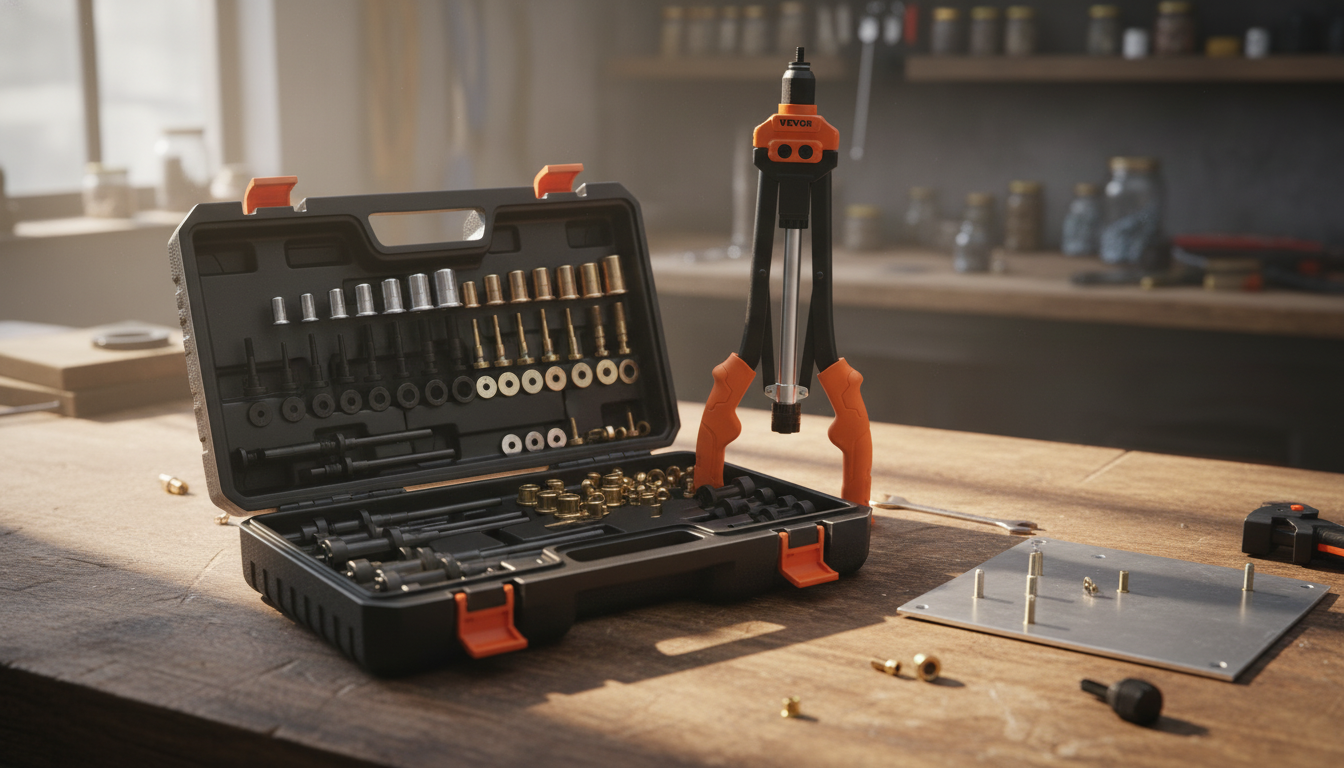
Heavy-Duty Rivet Nut Tool Kit with 13 Mandrels and 186 Rivnuts: What You Get and How to Use It
A rivet nut tool kit makes it possible to add strong, reusable threads to thin sheet metal, tubing, and other materials where tapping isn’t practical. This heavy-duty 14″/16″ class kit includes 13 mandrels and 186 rivnuts to cover common sizes for automotive work, fabrication, repairs, and DIY builds—plus the extra leverage needed for more consistent setting. For more guidance, see Recommendation for a Rivnut tool – Retro Rides.
When a rivet nut is the right fastener
Rivet nuts (often called rivnuts) are designed for situations where you need a reliable threaded attachment point, but you can’t reach the back side to hold a nut or install a bolt-and-nut combo. For further reading, see BEETOW 16″ Rivet Nut Tool Kit With 15 Mandrels & 200 Rivet Nuts.
- Adds a threaded anchor point in thin materials where a standard nut won’t fit behind the panel.
- Useful for metal panels, frames, racks, enclosures, ATV/UTV accessories, and general fabrication.
- Creates removable threads for bolts and machine screws, helping with serviceable installations.
- Works well in places with one-sided access (only the front of the material is reachable).
Typical use cases include mounting accessories to vehicle panels, adding threaded points to tube racks, or creating repeatable attachment points for covers and access doors on equipment.
Kit overview: tool size, mandrels, and rivnuts
A longer-handle rivet nut tool is mainly about leverage. Larger rivnuts and tougher materials require more pull to collapse the insert correctly, and added handle length helps you set inserts with less hand strain and fewer partial sets.
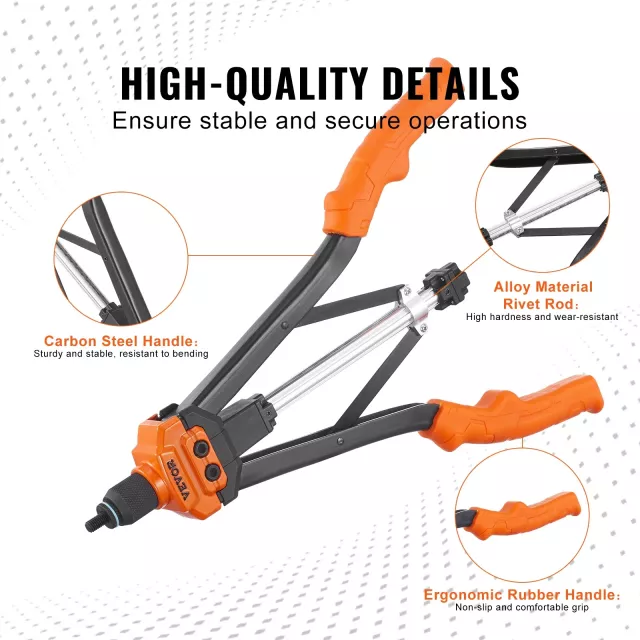
- Heavy-duty hand rivet nut tool sized for added leverage (14″/16″ class) to reduce hand strain on larger inserts.
- Includes 13 mandrels to support multiple rivnut sizes without needing separate tools.
- 186 rivnuts included for getting started immediately on mixed-size projects.
- Good fit for garages and job sites where quick size changes are common.
What’s in the kit (at a glance)
| Component | Included | Why it matters |
|---|---|---|
| Rivet nut tool (14″/16″) | 1 | Long handles help set rivnuts more consistently, especially in tougher materials |
| Mandrels | 13 | Supports multiple thread sizes and reduces downtime swapping setups |
| Rivnuts | 186 | Provides a starter assortment for common installs and repairs |
| Storage/carry | Varies by kit packaging | Keeps mandrels and inserts organized so sizes don’t get mixed |
If you want the exact kit described here, see Heavy-Duty Rivet Nut Tool Kit 14″/16″ with 13 Mandrels & 186 Rivnuts.
Mandrels and rivnuts: matching sizes and thread types
The most important “rule” of rivnut installation is simple: the mandrel must match the rivnut’s internal threads. A mismatch can damage the insert, strip the tool’s mandrel threads, or cause an insert to set poorly and spin later.
- Mandrel size must match the rivnut’s internal thread to avoid stripping or cross-threading during installation.
- Confirm whether a rivnut is metric or SAE before loading it onto the mandrel.
- Thread engagement should start smoothly by hand; resistance early on usually indicates a mismatch.
- For repeated production work, labeling mandrels and keeping inserts separated prevents incorrect pairings.
As a quick check, always thread the rivnut onto the mandrel by hand for several turns before the tool touches the workpiece. If it doesn’t spin on easily, stop and confirm the size and thread system.
How to set a rivet nut (clean, consistent results)
A clean install is mostly about hole size, surface prep, and keeping the tool square while you collapse the insert.
- Drill the correct hole diameter for the chosen rivnut. A too-large hole can cause spinning; a too-small hole can deform the insert during setting.
- Deburr the hole so the rivnut flange sits flat against the surface for better clamp-up.
- Thread the rivnut fully onto the mandrel before inserting it into the hole.
- Hold the tool square to the surface, squeeze handles to collapse the rivnut, then release and unthread the tool.
- Test with the intended bolt; it should thread in smoothly without turning the rivnut in the hole.
For best consistency, practice on a piece of scrap of the same thickness as your project. It’s a fast way to confirm the drill bit size and the amount of squeeze needed for a full set.
Avoiding common problems: spinning, crooked installs, and damaged threads
Most installation issues trace back to one of three things: incorrect hole size, misalignment, or a size mismatch between insert and mandrel.
Where a heavy-duty hand tool shines
For a small add-on that pairs well with car and garage projects, you may also like Crystal Moon & Star Car Vent Clips (in stock).
Care and maintenance for longer tool life
For deeper technical references on blind rivet nuts and sizing concepts, see resources from Stanley Engineered Fastening and technical information at Rivet Nut USA.
Quick checklist before starting a project
FAQ
What’s the difference between a rivet nut and a rivet?
A rivet nut creates internal threads so you can install and remove bolts or machine screws later. A standard rivet joins materials permanently without threads and typically must be drilled out to remove.
Why does a rivnut spin in the hole after installation?
Spinning is usually caused by a hole that’s drilled too large, an insert that wasn’t fully collapsed, an incorrect grip range for the material thickness, or uneven flange seating. The most reliable fix is to remove the insert, correct the hole/setup, and install a new rivnut.
Can this type of tool be used on aluminum and steel sheet metal?
Yes—hand rivet nut tools work well on both aluminum and steel sheet metal when you choose the right rivnut material, drill the proper hole size, and keep the tool square while setting. Consistent pressure and clean deburred holes help prevent crooked installs and spinning.















Leave a comment