Adjustable CMC Thumb Stabilizer: Arthritis Pain Relief
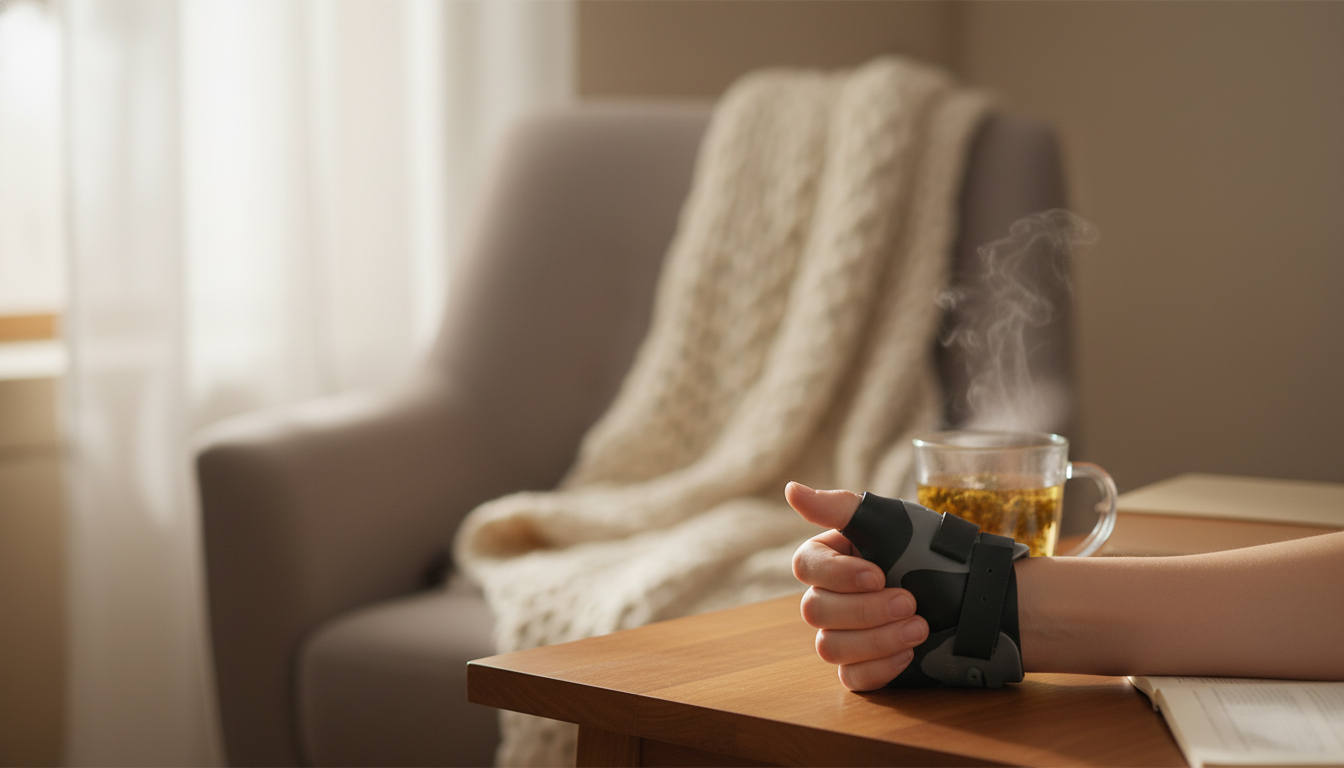
Adjustable CMC Thumb Stabilizer for Arthritis & Pain Relief
Thumb arthritis and CMC joint irritation can make everyday tasks—gripping a mug, texting, turning keys—feel surprisingly difficult. An adjustable CMC thumb stabilizer supports the base of the thumb to reduce strain, calm flare-ups, and help keep the joint in a more comfortable position during daily use.
Why the CMC joint hurts during daily tasks
The CMC (carpometacarpal) joint sits at the base of the thumb and is a frequent trouble spot for osteoarthritis and overuse irritation. It’s a small joint that takes on a big workload: every pinch, twist, and grip routes force through the thumb base.
Movements like opening a tight lid, turning a key, or pulling on a seatbelt can concentrate pressure at the basal joint. Over time (or during a flare-up), that repeated stress may contribute to pain, swelling, stiffness, and reduced grip strength—sometimes making the thumb feel unstable or “shifty.” Authoritative overviews of thumb (basal joint) arthritis and osteoarthritis are available from the Arthritis Foundation, Mayo Clinic, and NIAMS.
Stabilizing the thumb base can help by reducing painful micro-movements while still allowing practical hand function for daily routines.
How an adjustable CMC thumb stabilizer helps
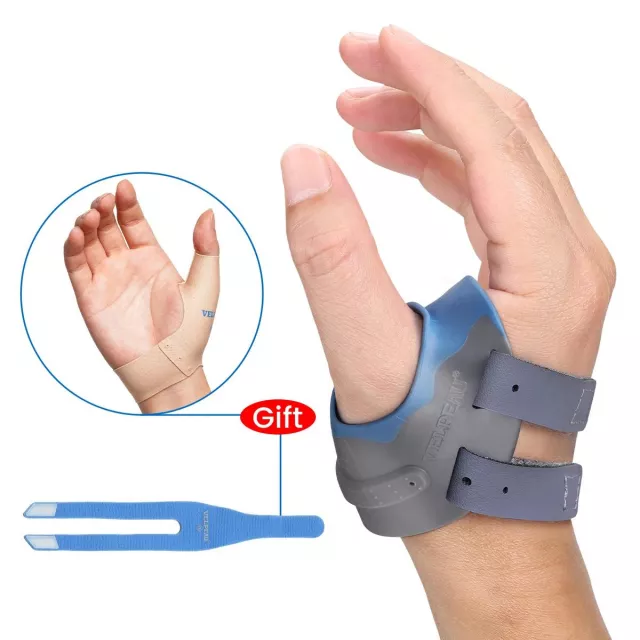
An adjustable CMC thumb stabilizer is designed to support the thumb base while keeping the rest of the hand usable. Instead of “locking” the whole hand, it typically aims to limit the side-to-side motion that often feels most aggravating at the CMC joint, while still letting you grasp and perform light tasks.
- Targeted thumb-base support: Helps steady the CMC area so pinch-and-twist motions don’t overload the joint as easily.
- Gentle compression: Many people find light compression comforting during stiffness or swelling.
- Adjustable straps: Multiple tension points make it easier to personalize the fit for different activities—from resting support to daytime wear.
Common situations where support can help
| Situation | What usually hurts | What stabilization aims to do |
|---|---|---|
| Opening jars or bottles | Strong pinch and twist at thumb base | Reduce joint strain and improve leverage |
| Typing or scrolling | Repetitive thumb motion and fatigue | Limit aggravating motion while maintaining control |
| Cooking and meal prep | Gripping utensils, chopping, lifting pans | Support the base of the thumb during gripping |
| Driving and errands | Steering wheel grip, keys, bags | Maintain steadier thumb alignment during daily tasks |
Fit and comfort: what to look for in an adjustable design
Comfort matters as much as support. If a brace is too bulky or pinches the skin, it’s more likely to sit in a drawer than on your hand. When comparing options, focus on how well it stabilizes the thumb base and how easy it is to fine-tune tension.
- Targeted CMC support: The brace should stabilize the base of the thumb, not just the wrist.
- Adjustability: Look for multiple tension points so you can support the joint without cutting off circulation.
- Low-bulk profile: A slimmer brace is typically easier to wear while working, driving, or holding objects.
- Skin-friendly materials and edges: Smooth seams and breathable fabric can reduce irritation during longer wear.
How to wear it for the best balance of support and mobility
A thumb stabilizer should feel supportive—not restrictive. The goal is to create a steadier platform at the CMC joint so daily tasks feel more manageable without making your hand go numb or forcing the fingers into awkward positions.
- Start light: Begin with gentle tension and increase gradually until the thumb feels steadier.
- Center support at the thumb base: Position the brace so pressure is around the CMC area rather than pressing on the fingertips.
- Match tension to the task: Use higher support for flare-ups or repetitive chores; loosen slightly for comfort during light activity.
- Check your skin: Remove periodically, especially during the first few days, to confirm there’s no rubbing or pressure marks.
Simple wear schedule to get accustomed
| Timeframe | Suggested use | Comfort checks |
|---|---|---|
| Days 1–2 | 30–60 minutes at a time during activity | No numbness, no color change, no pinching at edges |
| Days 3–5 | 1–3 hours during errands or chores | Re-adjust straps if swelling changes through the day |
| After 1 week | As needed for tasks or symptom days | Give skin breaks; keep the brace clean and dry |
Care tips and safety notes
Product spotlight: Adjustable CMC Thumb Stabilizer for Arthritis & Pain Relief
If daily gripping and pinching set off discomfort at the thumb base, the Adjustable CMC Thumb Stabilizer for Arthritis & Pain Relief is designed to provide adjustable support around the CMC area for steadier, more comfortable movement. It’s well-suited for common aggravating activities—opening containers, cooking tasks, phone use, and other repetitive hand motions—and it’s currently in stock and ready to ship.
Quick details
| Item | Details |
|---|---|
| Name | Adjustable CMC Thumb Stabilizer for Arthritis & Pain Relief |
| Price | USD 43.82 |
| Availability | In stock |
| Product page | View product |
Small comfort add-ons for busy days
- Spring Plaid Wide Padded Headband – Chic Cotton Blend Hair Accessory
- Retro Corduroy Hair Scrunchies & Headbands – Large, Soft & Stylish
- Crystal Moon & Star Car Vent Clips
FAQ
Can a CMC thumb stabilizer be worn all day?
Yes for many people, as long as comfort and circulation come first. Ease into longer wear, take short breaks, and loosen or remove it if you notice numbness, tingling, or color changes.
Should the brace feel tight to work?
It should feel supportive, not restrictive. A good fit allows normal finger movement and normal skin color while reducing painful thumb-base motion—without numbness or tingling.
Will it help with texting and computer work?
It often helps by limiting aggravating thumb-base movement and reducing fatigue during repetitive use. Adjust strap tension so you keep the dexterity you need, and pair it with brief breaks during longer sessions.















Leave a comment