Brake Fluid Moisture Tester Pen: Quick Safety Check
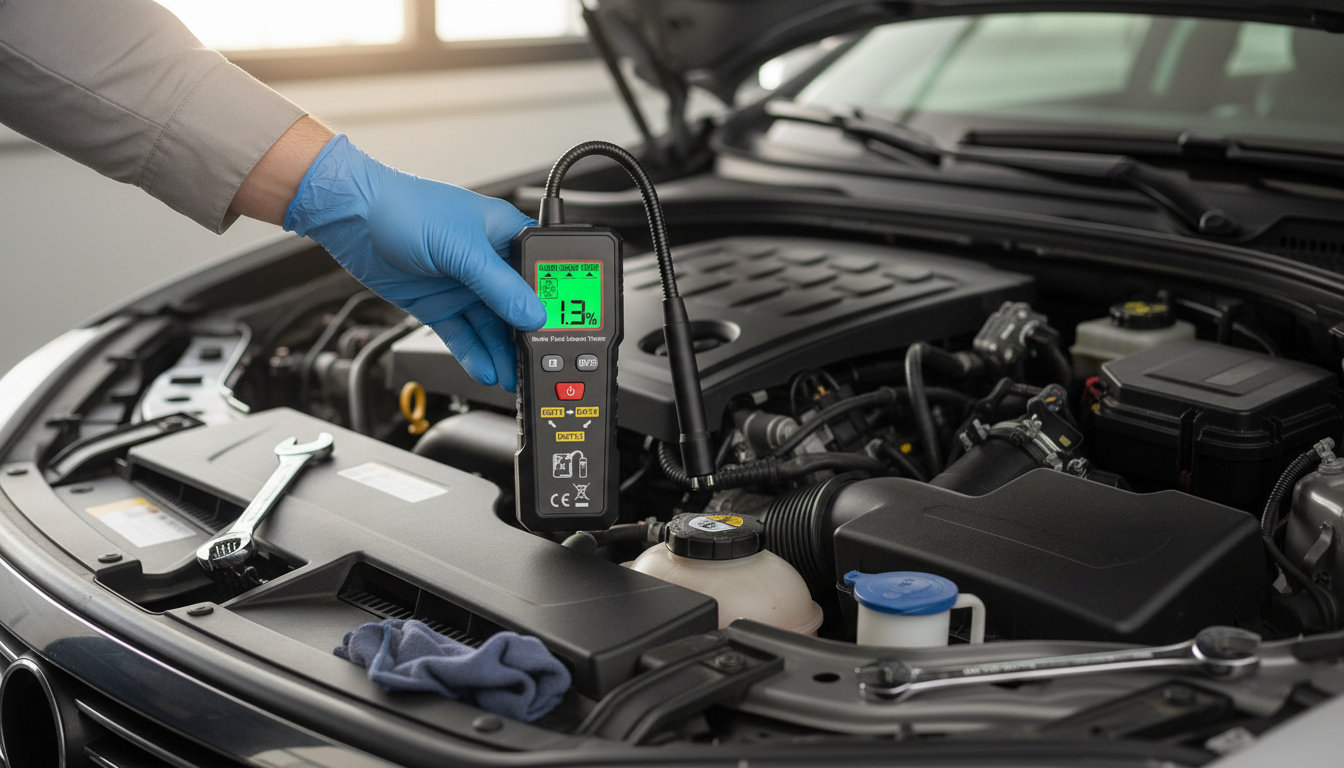
Car Brake Fluid Moisture Tester Pen for Vehicle Safety Checks
Brake fluid gradually absorbs moisture, which can lower its boiling point and reduce braking performance under heat. A compact moisture tester pen offers a quick way to spot when fluid quality is drifting into a “service soon” range—helping drivers schedule maintenance before symptoms become noticeable.
Why brake fluid moisture matters
Modern braking systems depend on hydraulic pressure, and the quality of the brake fluid has a direct impact on how consistently that pressure is delivered. Over time, moisture becomes the hidden variable that can turn an otherwise normal brake pedal into inconsistent performance when conditions get demanding.
- Most DOT 3/DOT 4/DOT 5.1 brake fluids are hygroscopic, meaning they absorb water from the air over time.
- Added moisture can reduce the fluid’s boiling point, increasing the risk of vapor bubbles during hard braking or long descents.
- Water content can also encourage internal corrosion in brake lines, calipers, wheel cylinders, and ABS components.
- A quick moisture check supports safer planning: service the fluid based on condition, not just mileage.
For background on brake system safety considerations, see the NHTSA and the federal requirements outlined in FMVSS No. 116 (Brake Fluids).
What a brake fluid moisture tester pen does
A brake fluid moisture tester pen is built for quick screening. It doesn’t replace professional diagnosis, but it can catch “quiet” brake fluid degradation before it shows up as a pedal feel change or heat-related fade.
- Measures moisture level in brake fluid using probe sensors and displays a pass/caution/replace-style result (often via LEDs).
- Helps confirm whether fluid is still in a safe range before demanding driving (towing, mountain routes, track days).
- Provides a fast check during routine maintenance: tire rotations, oil changes, seasonal inspections.
- Designed for convenience: small, handheld, and easy to store in a glovebox or tool kit.
Recommended in-stock items
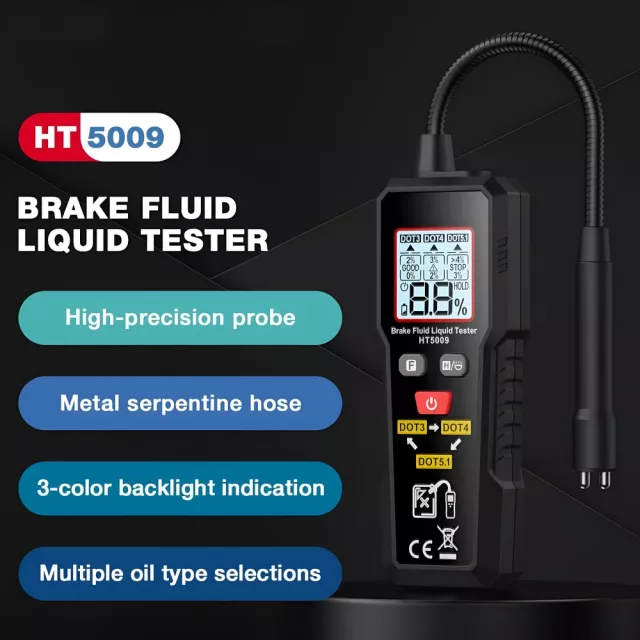
- Car Brake Fluid Moisture Tester – Auto Brake Fluid Liquid Tester Pen for Vehicle Safety
- Crystal Moon & Star Car Vent Clips
How to use the tester pen (quick, clean routine)
Good results come from a clean test and a steady reading. Since brake fluid can damage paint and attracts contaminants, treat the reservoir area like a “clean zone” and keep tools and rags close.
- Park on level ground, set the parking brake, and allow brakes to cool if the vehicle was recently driven.
- Open the brake fluid reservoir carefully and keep dirt away from the cap and opening.
- Power on the tester, then dip the probe into the fluid without submerging the entire body of the pen.
- Hold steady for the reading to stabilize; note the indicator level and compare it to the action guide.
- Wipe the probe clean after testing and re-cap the reservoir securely.
If the fluid looks very dark, cloudy, or contaminated, treat that as its own warning sign even before checking moisture—especially if braking feel has changed. For service considerations and general best practices, Bosch’s brake fluid overview is a helpful reference: Bosch Automotive.
Interpreting results and what to do next
A moisture tester is most useful when it informs a decision: “keep monitoring,” “schedule service,” or “replace soon.” Many vehicles operate fine day-to-day with aging fluid—until a hot stop, a steep downhill grade, or repeated braking pushes temperatures high enough to expose the reduced boiling point margin.
- Low moisture readings generally indicate the fluid is still within a safer operating range for normal driving.
- Mid-range readings suggest planning a fluid flush soon—especially if the vehicle sees heavy loads, stop-and-go traffic, or steep grades.
- High moisture readings are a strong signal to replace brake fluid promptly to restore boiling point margin and reduce corrosion risk.
- If the brake pedal feels spongy, braking distance increases, or the brake warning light appears, prioritize professional inspection regardless of the reading.
Moisture reading guide (typical interpretation)
| Moisture level (approx.) | What it may indicate | Recommended action |
|---|---|---|
| 0–1% | Fluid condition generally acceptable | Recheck at the next service interval or season change |
| 2% | Moisture is building; boiling point margin is reduced | Plan a brake fluid change soon (timing depends on driving conditions) |
| 3%+ | High moisture; higher risk under heat and more corrosion potential | Replace brake fluid promptly and inspect for leaks or reservoir seal issues |
Compatibility and common limitations
Moisture tester pens are typically designed around the fluids used in most passenger vehicles, but it’s still important to confirm what’s in the reservoir before relying on any reading.
- Typically intended for glycol-based brake fluids such as DOT 3, DOT 4, and DOT 5.1.
- Not suitable for silicone-based DOT 5 in many tester designs; confirm fluid type before relying on results.
- Readings can be affected by contamination (oil, power steering fluid, debris) or mixing incompatible fluid types.
- If the reservoir is extremely low, top off only with the correct fluid type and investigate possible leaks before retesting.
Good testing habits for more reliable readings
A practical tool to keep in the car
FAQ
How often should brake fluid moisture be checked?
Checking every 3–6 months, at each oil change, or before long trips and towing is a practical cadence. Also recheck after brake work or any noticeable change in pedal feel.
Does a moisture tester pen work with DOT 3 and DOT 4 brake fluid?
Yes—DOT 3 and DOT 4 are glycol-based fluids that many tester pens are designed to measure. Confirm your vehicle’s required fluid type in the owner’s manual and follow the tester’s instructions for compatible fluids.
Can the tester be used on DOT 5 silicone brake fluid?
Often no; many moisture tester pens are not intended for silicone-based DOT 5 fluid. Verify what fluid is in the system and use a testing method appropriate to that fluid type.















Leave a comment