Graphene Menstrual Heating Belt: 3 Heat Levels for Cramps
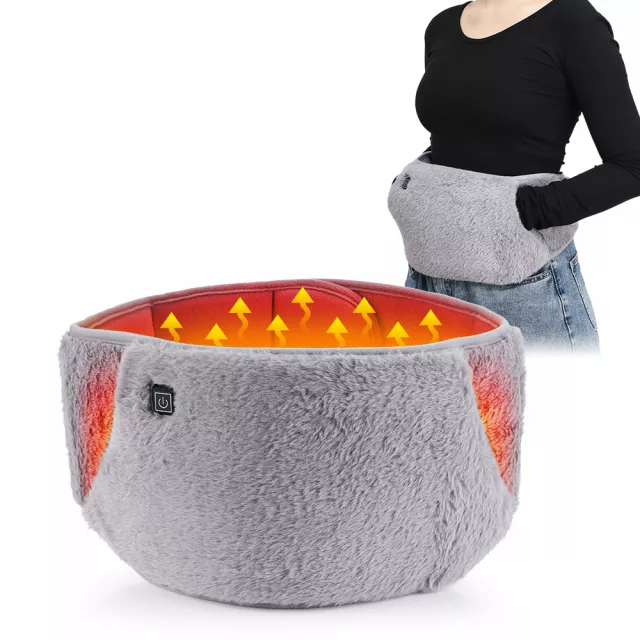
Women’s Graphene Menstrual Heating Belt with 3-Level Temperature Control
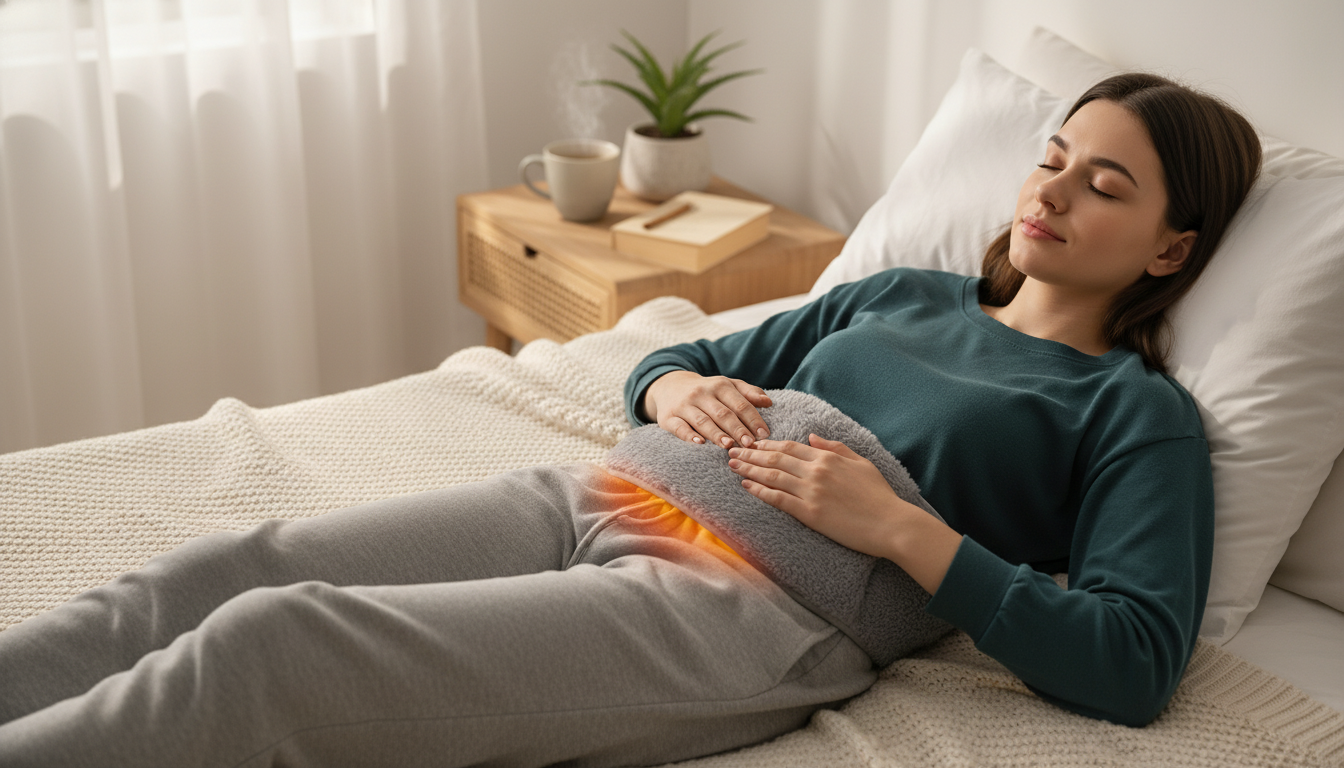
Period cramps can derail workdays, commutes, workouts, and sleep. A wearable heating belt offers steady, targeted warmth on the lower abdomen while leaving hands free and routines uninterrupted. This graphene menstrual heating belt adds adjustable 3-level temperature control for quick comfort whether symptoms are mild, moderate, or intense.
What a menstrual heating belt does
Menstrual cramps often feel like deep, tightening muscle waves across the lower abdomen. A heating belt is designed to place consistent warmth right where that discomfort tends to concentrate.
- Delivers localized heat to the lower abdomen to ease cramping discomfort and muscle tension.
- Wearable design keeps warmth consistent while sitting, walking, or resting—no need to hold a hot compress in place.
- Supports a calmer routine during the first 1–2 days of a cycle when cramps are often strongest.
- Can be paired with other comfort steps like hydration, gentle stretching, and rest.
Major medical organizations commonly recommend heat as a non-medication option for dysmenorrhea (painful periods). For more context on symptoms and when to get checked, see ACOG’s overview of dysmenorrhea or Mayo Clinic’s guide to menstrual cramps.
Why graphene heating can feel different
Not all heating surfaces feel the same. Graphene-based heating elements are often used in wearable warmth products because they can produce a fast, even heat profile while staying thin and flexible.
- Graphene-based heating elements are commonly used to create fast, even warmth across a wider surface area.
- Even heat distribution helps avoid “hot spots” that can happen with some basic heating pads.
- A thin heating layer can stay flexible, making it easier to wear under a sweater or hoodie without bulk.
- Consistent warmth is especially helpful during stationary activities (desk work, driving, studying) where cramps can feel more noticeable.
That “even warmth” matters when the goal is soothing comfort rather than intense heat—especially if you’re wearing the belt while focusing on tasks and don’t want to constantly readjust it.
3-level temperature control: how to choose a setting
Adjustable heat is useful because cramp intensity can change throughout the day. The most comfortable approach is usually gradual: start lower, give your body a few minutes to respond, then step up only if needed.
- Low setting: good for light cramps, maintenance warmth, or extended wear when sensitivity is higher.
- Medium setting: a balanced option for typical cramp days and indoor comfort.
- High setting: for stronger cramp waves or quick warm-up before dropping down to medium/low.
- Best practice: start low or medium, then adjust after a few minutes based on comfort rather than aiming for maximum heat immediately.
Temperature level guide (comfort-first)
| Level | Best for | When it helps most | Comfort tips |
|---|---|---|---|
| Low | Gentle warmth | Background discomfort, relaxation, sleep prep | Wear over a thin layer if skin feels sensitive |
| Medium | Everyday cramp support | Workdays, studying, errands | Adjust belt tension so it’s snug, not compressive |
| High | Stronger cramp moments | First-day cramps, quick warm-up | Use shorter bursts, then reduce to medium/low |
Fit, comfort, and wearability
A heating belt works best when the warmth stays centered on the lower abdomen without shifting as you move. Fit also affects how the heat feels—too tight can feel like pressure; too loose can make warmth inconsistent.
- Look for an adjustable belt that sits flat across the lower abdomen without rolling or pinching while seated.
- A secure but gentle fit helps keep heat centered where cramps are felt most.
- Wearability matters for real life: driving, working at a desk, walking between classes, or resting on the couch.
- For all-day comfort, alternate posture (standing breaks, light stretching) so heat stays soothing rather than tiring.
If you plan to wear the belt under clothing, smooth placement helps: position it low on the abdomen, then layer a tee or tank underneath for comfort, followed by a hoodie or sweater for discretion and warmth retention.
Safety and skin-friendly use
Heat should feel relaxing and steady—not sharp, prickly, or overwhelming. A few simple habits help keep wear comfortable and skin-friendly.
When a heating belt helps most (and when to seek help)
For additional medical background on painful periods and common next steps, Cleveland Clinic’s dysmenorrhea overview is a helpful reference.
Care and longevity
Product options (in stock)
- Women’s Graphene Menstrual Heating Belt with 3-Level Temperature Control — wearable warmth with adjustable heat for changing comfort needs across the day.
- Retro Corduroy Hair Scrunchies & Headbands – Large, Soft & Stylish — a simple way to keep hair comfortably secured during rest days or at-home recovery time.
- Spring Plaid Wide Padded Headband – Chic Cotton Blend Hair Accessory — a cozy accessory for low-effort comfort when you’re lounging or heading out.
FAQ
Can a heating belt help with menstrual cramps?
Yes. Heat can help relax muscles and ease cramping discomfort, making it a useful option for symptom relief (though it doesn’t treat the underlying cause). Many people also pair heat with hydration, gentle movement, and rest.
Which temperature level should be used first?
Start on low or medium, wait a few minutes, then adjust based on comfort. High is best for short boosts or quick warm-up, and the heat should never feel painful.
Is it safe to use a menstrual heating belt every day of a period?
It’s generally used safely with intermittent sessions and breaks, especially when avoiding prolonged high heat on bare skin. Stop use if irritation occurs, and seek medical advice if pain is severe or unusual for you.













Leave a comment