Heavy-Duty 12V Portable Tire Inflator + Air Tools Guide
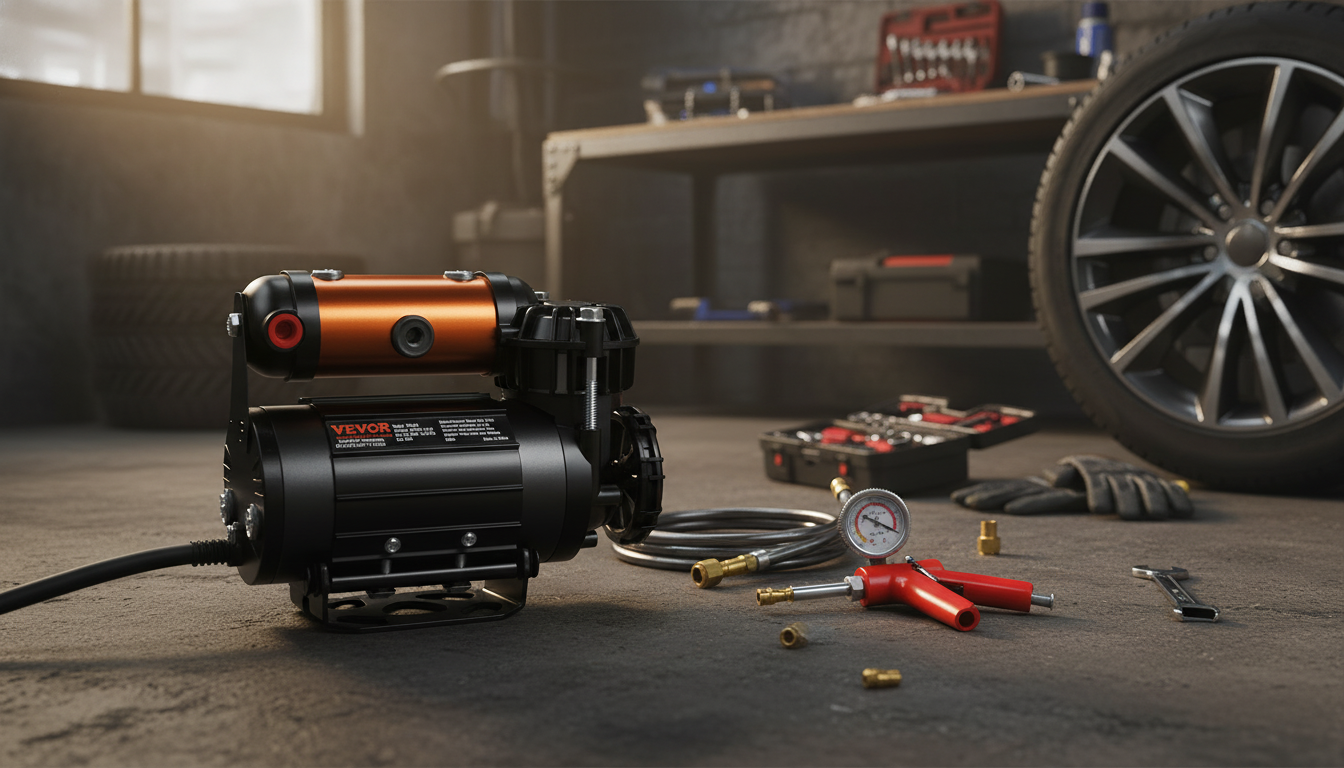
A compact 12V compressor can turn a slow leak or low-pressure warning into a quick, controlled fix—without waiting for a tow or hunting for a working gas-station pump. The best portable “heavy-duty” units aren’t just louder or bulkier; they’re built to deliver steadier airflow, manage heat, and connect to vehicle power reliably. Add light air-tool capability and you get a practical roadside helper for tires first—and small, short-burst tasks second.
When a Portable 12V Compressor Makes the Biggest Difference
Most drivers don’t need a compressor every day, but when you do need one, the timing matters. A portable 12V inflator is especially useful in common, high-stress moments where a fast top-up keeps you moving safely.
- Restoring tire pressure after temperature swings, seasonal changes, or long highway drives
- Handling a slow leak long enough to reach a safer location or a tire shop
- Topping up spare tires, trailer tires, or compact spares before a trip
- Inflating non-tire items (sports balls, inflatables, small utility tires) when appropriate adapters are included
- Supporting light air-tool use for quick roadside tasks where short bursts of air are helpful
For tire safety fundamentals and why pressure checks matter, the guidance from NHTSA Tire Safety is a solid reference. For practical maintenance tips, this Bridgestone tire pressure guide is also helpful.
What “Heavy-Duty” Should Mean in a 12V Inflator
“Heavy-duty” gets used loosely, so it helps to focus on a few concrete traits that translate into better real-world performance: longer run capability, stronger power delivery, better sealing at the valve, and protections that prevent overheating.
- Duty cycle expectations: look for designs intended for longer run times rather than brief, intermittent use
- Airflow and speed: faster fill times reduce heat buildup and battery strain compared with underpowered units
- Power delivery: strong clamps and appropriate wiring matter more than flashy displays for consistent performance
- Hose quality and fittings: reinforced hoses, secure couplers, and well-machined valve connectors reduce leaks and frustration
- Thermal protection: features that limit overheating help protect the motor during extended fills
- Stable base and vibration control: reduces walking and tip-over risk on gravel or uneven pavement
Quick checklist for evaluating a heavy-duty 12V compressor
| Category | What to look for | Why it matters |
|---|---|---|
| Run time | Stated duty cycle or “continuous/extended use” design cues | Prevents overheating during multiple tires or larger tires |
| Power connection | Battery clamps and robust cable gauge | More reliable current delivery than weak accessory-plug setups |
| Air delivery | High-flow design and efficient motor | Cuts fill time and reduces strain |
| Hose & coupler | Reinforced hose, secure valve connector, minimal leakage | Improves accuracy and avoids repeated re-tightening |
| Controls | Readable gauge and simple on/off operation | Reduces over/under-inflation mistakes |
| Protection | Heat management and overload protection | Extends tool life and improves safety |
Air Tools on the Road: Practical Uses and Realistic Limits
Air tools are appealing because they feel “shop capable,” but portable 12V compressors have a different strength: mobility. The key is understanding what’s realistic when your air supply depends on a compact motor rather than a large tank.
- Best-fit tasks: short-burst needs like blowing dust from parts, seating certain connectors, or quick cleanup
- Why storage matters: air tools typically draw more air than tire inflation, so brief use is more realistic than extended continuous tool operation
- Compatibility basics: match connectors/couplers, keep thread sealant or tape handy when appropriate, and avoid cross-threading
- Pressure expectations: many air tools need steady pressure; portable 12V units can vary, especially under sustained load
- Recommended mindset: treat air tools as an occasional capability—tires first, tools second
How to Inflate a Tire Safely and Accurately
What Comes in the Box and What to Keep in the Same Bag
Portable Heavy-Duty 12V Car Air Compressor Tire Inflator with Air Tools
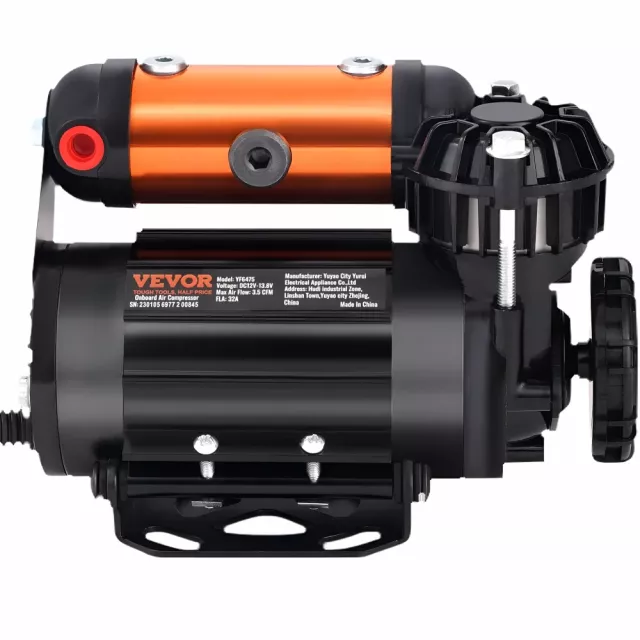
Portable Heavy-Duty 12V Car Air Compressor Tire Inflator with Air Tools is built as a portable, vehicle-powered option for topping up tires wherever you can safely pull over. The heavy-duty positioning is most valuable when you’re dealing with multiple tires in one session, larger tires that take longer to fill, or situations where consistent power delivery matters.
At-a-glance fit for common needs
| Need | Fit | Notes |
|---|---|---|
| Emergency tire top-ups | Strong | Useful for getting back to safe pressure without searching for a pump |
| Multiple tires in one session | Good | Heavy-duty design cues help when topping up several tires back-to-back |
| Occasional air-tool bursts | Situational | Best for short tasks; extended tool use typically requires more air capacity |
| Travel/road trips | Strong | Convenient to keep packed with roadside kit |
A small add-on for a calmer cabin
While the compressor supports roadside readiness, a simple interior accessory can make day-to-day driving feel more organized. Crystal Moon & Star Car Vent Clips add a subtle decorative touch to your vents—an easy upgrade that pairs well with a vehicle kit focused on comfort and practicality.
FAQ
Can a 12V portable compressor run air tools the same way as a shop compressor?
Not usually. Shop compressors typically deliver higher airflow and have reserve capacity in a tank, while a 12V portable unit is better for short-burst air-tool tasks and tire inflation rather than sustained tool use.
Is it better to power a car tire inflator from the cigarette lighter or directly from the battery?
Higher-output inflators generally perform more reliably when connected directly to the battery with clamps, since accessory sockets and fuses can limit current. Always follow the connection method specified by the inflator.
What tire pressure should be used when inflating?
Use the recommended cold tire pressure listed on the driver-door placard. The number on the tire sidewall is a maximum rating for the tire, not the target pressure for your vehicle.















Leave a comment