Wig Touch-Ups Anywhere: Foldable Anti-Static Comb Set
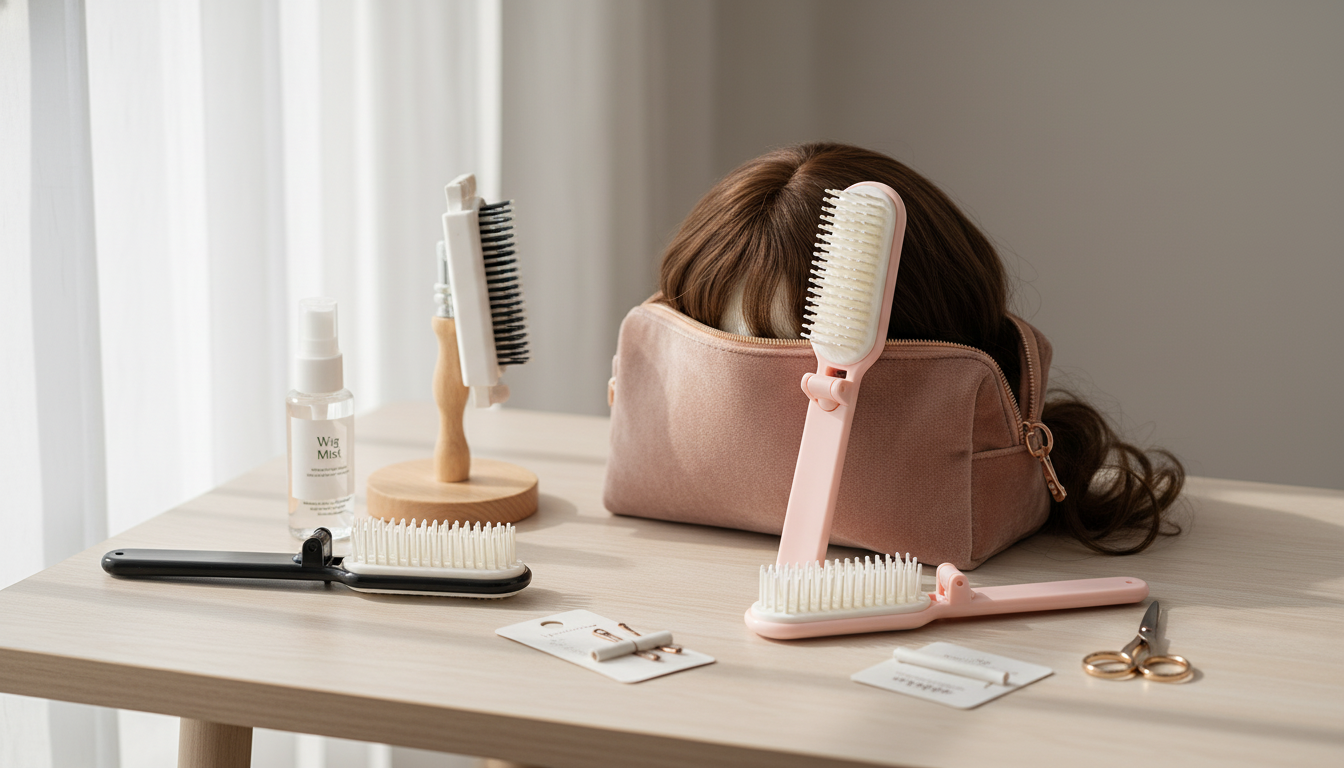
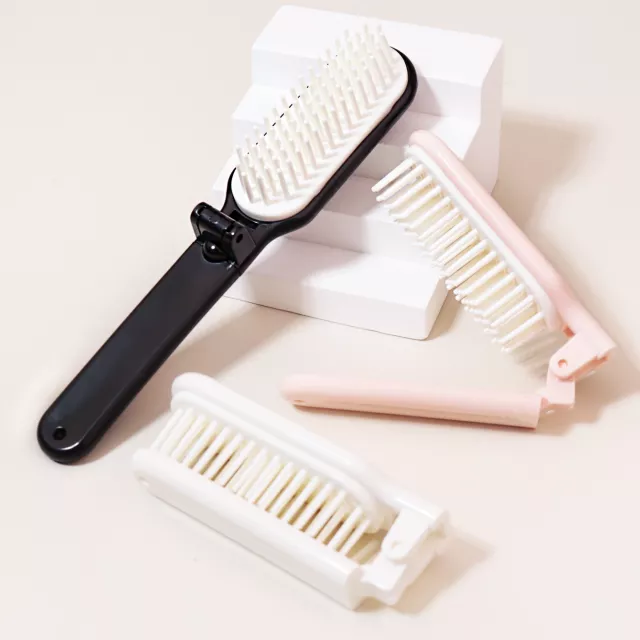
Foldable Anti-Static Travel Comb Set for Real Hair Wigs
A compact comb can make the difference between a smooth, natural-looking wig day and frizz, flyaways, or tangles—especially on the go. A foldable anti-static travel comb set is designed to slip into a purse, makeup bag, or carry-on while helping real hair wigs stay sleek, detangled, and presentable between wears.
What makes a wig-friendly travel comb different
Real hair wigs behave a lot like natural hair, but they’re attached to a cap, lace, and knots that don’t “recover” the way hair growing from a scalp can. That’s why a travel comb meant for wigs should prioritize control and gentleness—not just speed.
- Anti-static design: Static electricity can cause strands to repel and lift, creating cling and flyaways that interrupt a natural silhouette—especially in dry air or after removing a hat. (For a deeper explanation of how static builds, see Britannica’s overview of static electricity.)
- Foldable construction: Folding protects the teeth from bending or snapping in a bag and helps keep lint and powder from coating the comb between touch-ups.
- Gentle detangling: Less snagging means less stress on knots and wefts, which supports wig longevity and reduces avoidable shedding.
- Made for quick fixes: A few controlled passes can refine a part, smooth the crown, and separate ends—without needing a full brush set.
Best times to use a travel comb on real hair wigs
Instead of repeatedly combing throughout the day (which can create friction), use a travel comb strategically when it gives the biggest visual payoff with the least tension.
- After putting the wig on: Lightly refine the part and smooth the crown before heading out.
- Midday refresh: Reduce friction frizz after scarves, helmets, or hoods.
- Before photos or meetings: A quick pass through the lengths keeps the overall shape polished.
- Post-commute: Gently separate ends that rubbed against coats, seatbacks, or backpack straps.
- Before storage: Light detangling helps prevent tiny knots from “setting” into the hair while it rests.
How to comb a real hair wig without causing shedding
The goal is to detangle while keeping stress off the cap construction. Small technique changes—where you hold, how much pressure you use, and where you start—can noticeably reduce breakage over time.
1) Start at the ends and work up
Hold the hair near the tips and detangle in short sections. Once the ends are free, move upward gradually rather than dragging tangles downward.
2) Support the base
Keep one hand near the cap area to stabilize the hair and avoid tugging at knots, wefts, or lace. This is especially important around the hairline and part.
3) Use light pressure
Let the comb do the work. Repeated forceful passes can cause more friction and breakage than a slow, controlled detangle.
4) Detangle when appropriate
Very wet hair can be more fragile. If damp styling is needed, go slowly, work in smaller sections, and avoid yanking through resistance.
5) Pair with simple prep
A small amount of wig-safe detangler or leave-in can reduce friction before combing. General hair-handling best practices—like minimizing harsh pulling—also align with dermatologist-backed care guidance such as the American Academy of Dermatology’s hair care tips.
Quick detangling checklist for on-the-go touch-ups
| Situation | What to do | What to avoid |
|---|---|---|
| Minor flyaways at the crown | Lightly smooth the top layer with minimal passes | Aggressive combing at the roots or lace line |
| Tangles at the ends | Hold hair above the knot and detangle ends first | Pulling downward from mid-length to ends in one stroke |
| Static after removing a hat | Comb gently and let hair settle; consider a tiny amount of wig-safe conditioner mist | Overloading with heavy oils that weigh hair down |
| Windy day frizz | Section hair and comb the outer layer, then lightly blend | Brushing repeatedly in random directions |
Product highlights: Foldable Anti-Static Travel Comb Set
If you want a small, dedicated tool that lives in your daily bag, the Foldable Anti-Static Travel Comb Set for Real Hair Wigs is built for convenient touch-ups without the bulk of a full kit.
At-a-glance details
| Detail | Value |
|---|---|
| Product | Foldable Anti-Static Travel Comb Set for Real Hair Wigs |
| Price | $6.51 |
| Availability | In stock |
| Category | Hair Care & Styling Tools |
Care and cleaning tips for a travel comb
Simple travel routine for real hair wigs
To round out a travel-friendly hair accessory setup, consider pairing your comb with a comfortable headband like the Spring Plaid Wide Padded Headband – Chic Cotton Blend Hair Accessory or soft, low-tension options such as the Retro Corduroy Hair Scrunchies & Headbands – Large, Soft & Stylish.
FAQ
Can an anti-static comb help reduce frizz on real hair wigs?
Yes—static can make strands lift and separate, which reads as frizz and flyaways, and an anti-static comb can help the hair lie flatter. Overall frizz control also depends on humidity, friction from scarves or coats, and using lightweight, wig-safe conditioning products.
Is it better to comb or brush a real hair wig for touch-ups?
A comb is often best for defining parts, smoothing the top layer, and gently detangling ends with controlled tension. A brush can be used if it’s very gentle and wig-appropriate, but whichever tool you choose, start at the ends and stabilize near the cap to avoid tugging.
How often should a travel comb be cleaned when used on wigs?
Wipe it after most uses to remove oils and product residue, then wash it periodically based on buildup (more often if you use sprays or leave-ins). Regular cleaning helps with hygiene and prevents residue transfer back onto the wig hair.















Leave a comment