Heavy-Duty Cowhide Jeans Belt: Vintage Double Prong
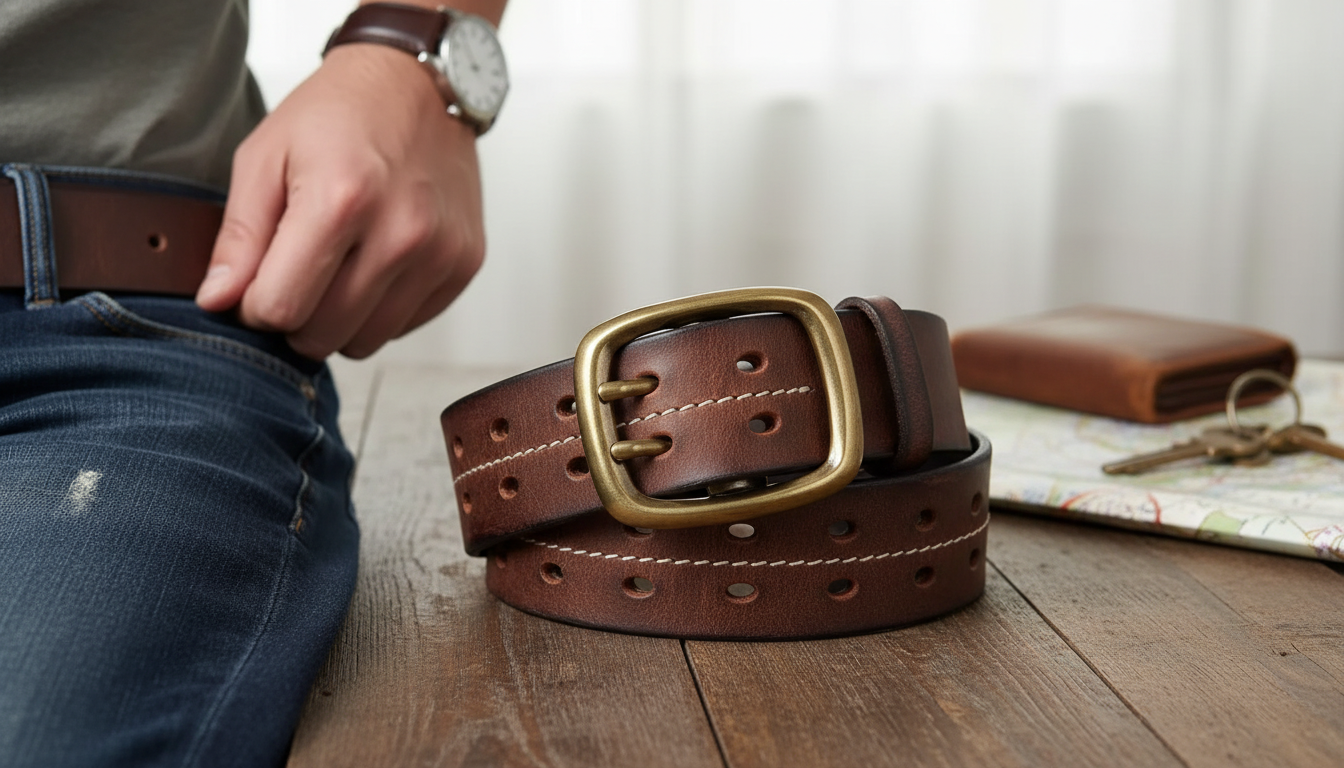
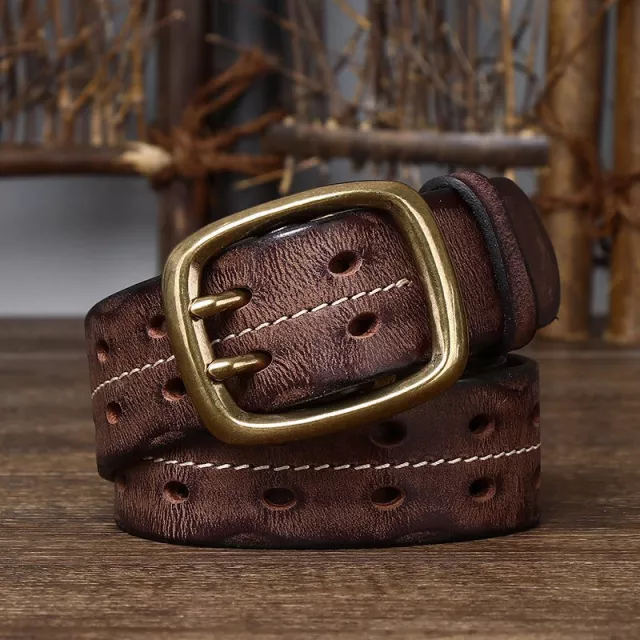
Vintage Men’s Heavy Duty Cowhide Jeans Belt with Double Prong
A reliable jeans belt does more than hold up denim—it adds structure, balances an outfit, and needs to stand up to daily wear. This vintage-inspired heavy duty cowhide leather belt with a double prong buckle is built for a secure fit, a broken-in look over time, and the kind of durability that works for workwear, casual outfits, and rugged weekends.
What Makes This Belt “Heavy Duty”
“Heavy duty” isn’t just a vibe—it’s what you notice when you pick up the belt, thread it through stiff denim loops, and wear it day after day without the holes stretching out or the buckle area collapsing.
- Full-grain cowhide feel: thick leather that typically softens and gains character with wear.
- Reinforced stress points: the buckle area and holes are the first places belts fail, so construction and thickness matter.
- Designed for jeans: intended to pair with denim and sturdier pants where a more substantial belt looks proportionate.
- Vintage styling cues: a classic silhouette that works with heritage, Western, biker, and workwear wardrobes.
Double Prong Buckle: Fit, Stability, and Style
A double prong buckle is a practical choice when you want a belt to stay put through movement, long days, and heavier fabrics. It also adds a distinct, old-school edge that looks at home with worn denim and boots.
- More balanced closure: two prongs distribute tension across two holes instead of one, helping reduce twisting.
- Secure hold: useful for heavier denim, tool-carrying days, or long wear where belts can slip.
- Distinct look: double prong hardware reads more rugged and traditional than many modern single-prong belts.
- Adjustment considerations: fastening takes a little longer than a single prong but becomes quick with habit.
Materials and Hardware Details to Look For
When shopping for a belt meant to last, the small build choices matter as much as the leather itself. A good heavy duty jeans belt should feel supportive rather than floppy, with hardware that doesn’t flex under tension.
- Leather quality: cowhide should feel dense and supportive, not papery or overly spongy.
- Edge finishing: clean edges help reduce fraying and improve comfort against belt loops and waistbands.
- Hole spacing and alignment: evenly punched holes help the belt sit straight and wear evenly.
- Buckle finish: sturdy metal hardware with a stable frame reduces bending and loosening over time.
Everyday Wear: Outfit Pairings That Suit a Vintage Workwear Belt
This style of belt is made to look better the more it’s worn. It naturally pairs with heavier textures and practical layers—pieces that share the same “built to last” attitude.
- Denim-first outfits: raw or washed jeans, canvas pants, and chore-style trousers.
- Footwear pairing: boots (work, moto, Western) and heavier leather shoes complement the belt’s weight.
- Top layers: flannels, denim jackets, field jackets, and knitwear match the belt’s heritage vibe.
- Color coordination: pairing belt tone with boots or watch straps creates a cohesive look without feeling overly formal.
Sizing and Fit Guide
Getting the right size is the difference between a belt that feels supportive and one that fights you every time you buckle it. The most dependable method is measuring a belt that already fits well, then choosing a size that lands you near the middle holes.
- Measure the best-fitting belt: from the buckle’s base to the most-used hole for a dependable reference.
- Aim for the middle holes: a good fit usually lands on the center hole so there is room to tighten or loosen.
- Account for rise and layering: higher-rise jeans and thicker tucked-in shirts can change the ideal size.
- Double prong note: ensure both prongs align comfortably without forcing the leather; a properly sized belt makes fastening easier.
Quick Fit Check for a Double Prong Jeans Belt
| Check | What to Do | Good Sign |
|---|---|---|
| Current belt measurement | Measure buckle base to your most-used hole | New belt size closely matches that measurement |
| Center-hole fit | Try fastening so both prongs land near the middle holes | Extra holes available on both sides for adjustments |
| Belt loop compatibility | Thread through jeans loops before wearing out | Slides through without folding, binding, or excessive force |
| Comfort test | Sit, bend, and move for 5 minutes | Stays secure without pinching or twisting |
For additional measuring guidance, see How to measure for a belt.
Break-In and Care for Cowhide Leather
Thick cowhide typically starts out firm—especially around the buckle fold—then becomes more comfortable as it learns your waist and your daily movement. The goal is to let the leather break in naturally without over-softening it too soon.
If you want a straightforward refresher on leather maintenance, this guide covers the basics: Leather care basics.
When This Belt Is a Good Choice (and When It Isn’t)
Product Highlights
Shop In-Stock Picks
- Vintage Men’s Heavy Duty 100% Cowhide Leather Jeans Belt – Double Prong ($47.97)
- Crystal Moon & Star Car Vent Clips ($10.51)
- Retro Corduroy Hair Scrunchies & Headbands – Large, Soft & Stylish ($5.51)
FAQ
Does a double prong belt fit differently than a single prong belt?
Sizing is usually similar, but a double prong buckle needs both prongs to land cleanly in aligned holes without forcing the leather. Measuring a belt that already fits—from the buckle base to the most-used hole—and aiming for a center-hole fit makes dialing it in much easier.
How do you soften a heavy duty cowhide belt?
Regular wear is the safest way to break it in naturally. Gentle hand flexing can help, and conditioning should be light and occasional—avoid soaking the leather or using heat, which can cause damage or warping.
Is a heavy duty leather belt good for everyday jeans?
Yes—this style is ideal for denim and casual wear because it holds its shape and stays secure through movement. It may feel firm at first, but it typically becomes more comfortable as it breaks in.














Leave a comment