How to Use Nose Blackhead Remover Strips Without Irritation
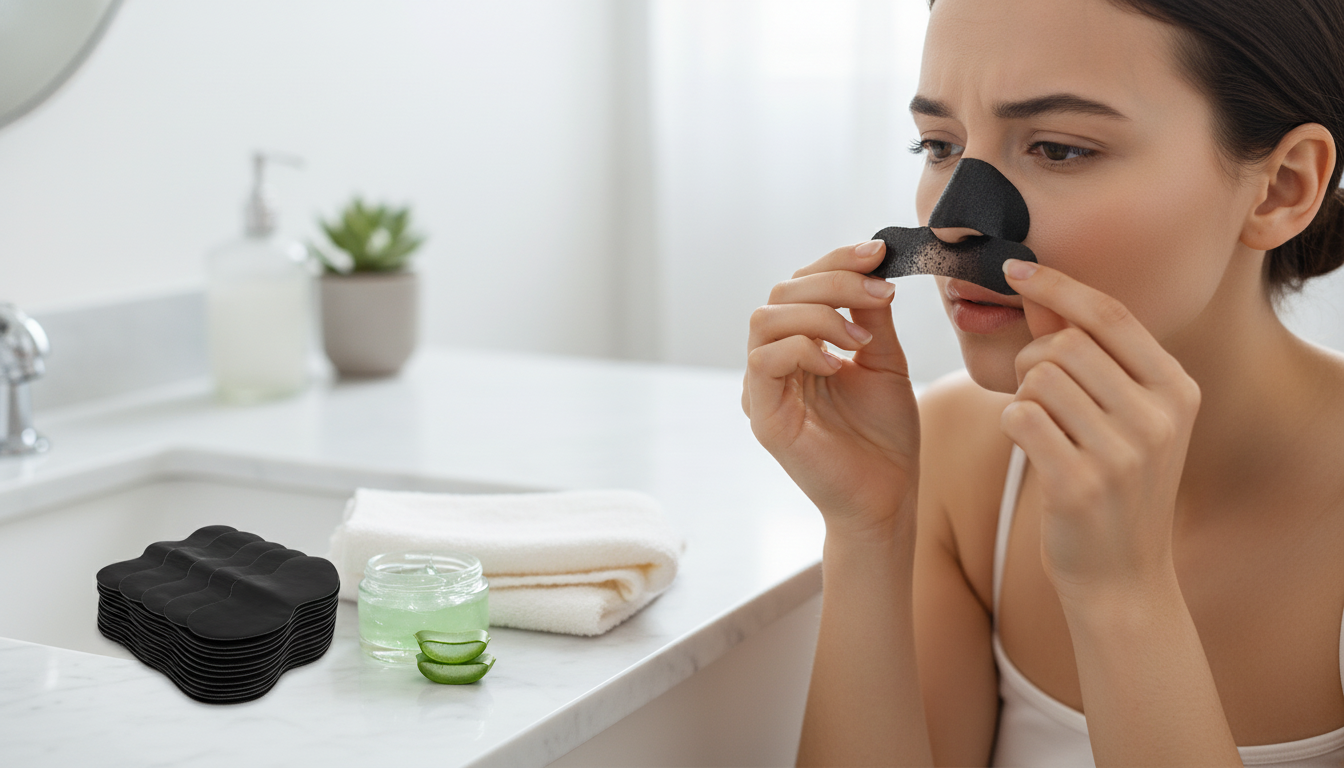
Nose Blackhead Remover Strips: A Practical Routine for Clearer-Looking Pores
Blackheads on the nose are common because this area tends to produce more oil and often has larger-looking pores. Nose blackhead remover strips can give a quick, satisfying lift of surface clogs when they’re used correctly. The best results come from smart prep, careful removal, and calming aftercare—plus realistic expectations about what strips can (and can’t) do.
What Nose Strips Do (and What They Don’t)
Nose strips are designed to grip and lift surface debris from pores—mainly oil plugs and buildup sitting near the top of the pore opening. They’re often most noticeable on the nose, where congestion can be concentrated and pores may look more prominent.
That said, the results are temporary. Oil production continues, so blackheads and congestion can return without an ongoing routine. Strips also may not fully remove deep, compact blackheads; those often respond better to gradual exfoliation (like salicylic acid) or professional extraction. Overuse is another common issue: frequent stripping can irritate skin and leave the nose red or flaky, which can actually emphasize texture.
Who Should Use Them (and Who Should Skip Them)
Nose strips are often a good match for oily or combination skin that tolerates adhesive products well. If your skin is sensitive, reactive, or very dry, use extra caution—pulling away adhesive can worsen tightness or peeling.
Avoid using strips on sunburned skin, open blemishes, eczema patches, broken capillaries, or any irritated areas. If you use prescription acne treatments or strong exfoliants, spacing out strip use can help reduce irritation risk.
Quick Compatibility Check
| Skin/Condition | Strip Use | Notes |
|---|---|---|
| Oily or combination skin | Often ok | Focus on proper prep and follow with gentle hydration. |
| Sensitive or easily irritated skin | Use cautiously | Patch test if possible; limit frequency and avoid aggressive peeling. |
| Dry or flaky nose area | Usually skip | Consider gentler exfoliation and barrier support first. |
| Active inflamed acne on nose | Skip | Adhesive removal can worsen irritation and increase redness. |
| Recent chemical peel/retinoid irritation | Skip temporarily | Wait until skin feels calm and comfortable again. |
Step-by-Step: Getting Better Results with Less Irritation
1) Cleanse first
Start with a gentle cleanser to remove makeup, sunscreen, and surface oil so the strip bonds evenly. If you leave a slick layer behind, the strip can lift unevenly and feel “patchy.”
2) Use warmth to soften surface buildup
Warmth helps soften debris near the surface. Applying the strip after a warm shower works well, or you can hold a warm (not hot) damp towel on the nose for a few minutes.
3) Wet the nose thoroughly
Most strips need a fully wet surface to activate and adhere. If any part of the nose is only slightly damp, that area may not grip well, and you may be tempted to over-peel to “make it work.”
4) Apply smoothly, center to edges
Press the strip down from the center outward to reduce air bubbles and improve contact over the curves of the nose. Take an extra moment to smooth the sides near the nostrils.
5) Wait the full time
Remove only once the strip feels firm. Peeling too early reduces lift; waiting too long can increase discomfort and the risk of irritation—especially if your skin runs dry or sensitive.
6) Peel slowly and keep it close to the skin
Start at the edges and peel toward the center. Keep the strip close to the skin (more “rolling” it off than yanking upward). This helps reduce redness and minimizes the chance of pulling at the surface.
Aftercare: Calm the Skin and Keep Pores Looking Cleaner Longer
After removing the strip, rinse gently with cool or lukewarm water to remove any residue—no scrubbing. Then focus on soothing and hydrating: a lightweight, fragrance-minimized moisturizer or calming serum helps support the skin barrier.
If you’re irritation-prone, avoid stacking strong actives immediately after strip use. Giving skin several hours (or waiting until the next day) before using acids or retinoids can make the routine feel much more comfortable.
Daily sunscreen matters, too. UV exposure can make uneven texture and redness more noticeable over time. For maintenance between strip days, a leave-on BHA (salicylic acid) a few times per week—if tolerated—can help reduce recurring congestion. For more background on acne and blackheads, see guidance from the American Academy of Dermatology Association and the Cleveland Clinic.
How Often to Use Nose Strips
Common Mistakes That Reduce Results
Product Options to Support Your Routine
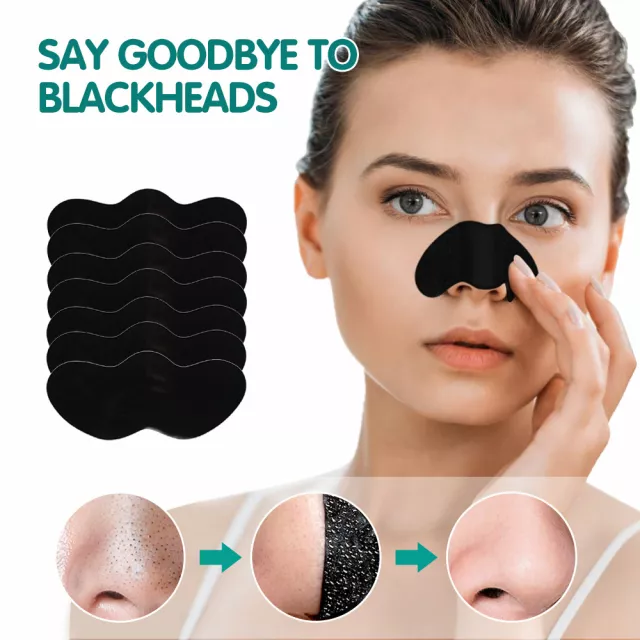
If you want a simple, budget-friendly way to lift surface clogs from the nose, try Nose Blackhead Remover Strips. Use as directed and keep the experience smoother with gentle prep and calming aftercare.
Small routine helpers can also make strip days easier—especially if hair tends to fall forward while cleansing and applying strips. Consider the Spring Plaid Wide Padded Headband – Chic Cotton Blend Hair Accessory or Retro Corduroy Hair Scrunchies & Headbands – Large, Soft & Stylish to keep hair off the face during prep and aftercare.
FAQ
Do nose strips remove blackheads or sebaceous filaments?
Nose strips mainly lift surface plugs and buildup near the pore opening, and they can pull out some material from sebaceous filaments. The effect is temporary, so maintenance with gentle cleansing and consistent skincare helps keep pores looking clearer.
Is it okay to use a nose strip after salicylic acid or retinol?
Spacing them out is usually safer, since combining strong actives with adhesive removal can increase irritation. If your skin feels sensitized, wait until it feels calm and comfortable again and prioritize soothing hydration.
Why does my nose look red after using a strip?
Redness often comes from adhesive irritation or pulling the strip off too quickly. Try peeling more slowly, using strips less often, and following with a calming moisturizer; avoid using strips on already irritated or damaged skin.















Leave a comment