Clear Silicone Corner Protectors for Tables (2-Pack)
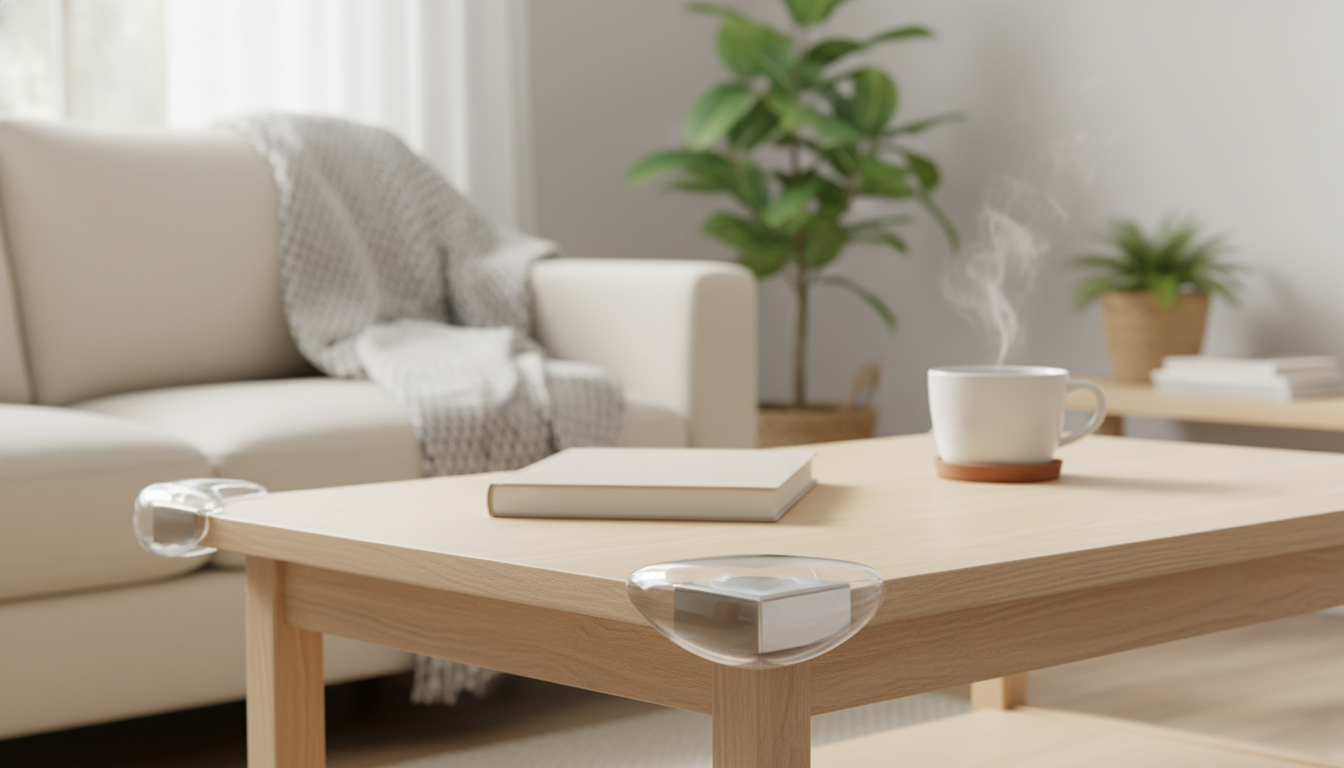
Transparent Corner Protection That Blends In
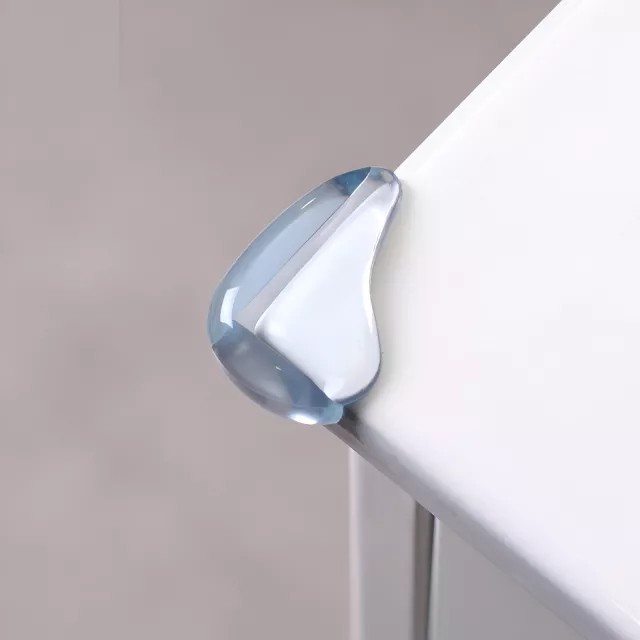
Sharp table edges can turn everyday play and movement into bumps and bruises—especially for babies, toddlers, and active households. The 2pcs Water-Drop Silicone Table Corner Protectors – Transparent Safety Guards add a soft, clear buffer right where accidents happen most: hard 90° corners. Their rounded water-drop profile helps cushion contact without making your furniture look bulky or covered up.
What These Corner Protectors Do
- Cushion hard 90° corners to help reduce the severity of accidental knocks.
- Add a rounded, water-drop profile that disperses impact better than thin edge strips.
- Stay visually discreet thanks to a transparent finish that blends with most surfaces.
- Support everyday childproofing in living rooms, dining areas, nurseries, and play spaces.
They’re especially helpful for low furniture where kids move quickly and often at head height—coffee tables, TV stands, and end tables. Even in adult-only homes, they can reduce painful shin or hip bumps on tight walkways and corners near seating.
Key Features at a Glance
- Soft silicone construction designed for shock absorption.
- Transparent look to preserve furniture style and color.
- Water-drop shape for broader coverage around the corner point.
- Compact set size (2 pieces) suited for targeting the most-used or most hazardous corners.
Quick Specs
| Detail | What to expect |
|---|---|
| Set size | 2 corner protectors |
| Material | Silicone |
| Color/finish | Transparent |
| Shape | Water-drop style corner guard |
| Best for | Tables, counters, desks, TV stands, low furniture corners |
Where They Help Most Around the Home
- Coffee tables and side tables at toddler head height.
- Dining tables where chairs slide in and out and kids move quickly.
- Desks and nightstands in bedrooms and study areas.
- Low TV consoles and media cabinets with sharp front corners.
- Countertop corners on islands or peninsulas (where accidental hip bumps happen).
A practical approach is to start with the “traffic corners”—the ones facing walkways, entry points, or play areas. Those are the corners people hit most often, and they’re also the ones kids tend to approach at speed.
How to Install for a Secure Hold
- Clean the corner thoroughly: remove dust, oils, and cleaner residue; let it dry fully.
- Test fit first: align the protector so both sides wrap evenly around the corner.
- Press firmly across the contact surfaces: aim for consistent pressure on both side panels (avoid only pressing the tip).
- Let it set: allow time before heavy contact, wiping, or moving the furniture.
- Check edges: confirm there are no lifted corners that small fingers can pick at.
For best day-to-day performance, install when the surface is at a moderate temperature and fully dry. If you’ve just cleaned with a strong product, give it a little extra time so nothing interferes with adhesion.
Tips for Different Furniture Materials
- Wood (sealed/varnished): typically bonds well after degreasing; avoid applying over wax or polish.
- Glass: clean with alcohol-based cleaner and dry completely to help prevent slipping.
- Laminate/painted surfaces: ensure the finish is fully cured; test on a small area if concerned about residue.
- Metal corners: remove fingerprints and oils; press evenly to prevent partial lift.
- Textured or porous finishes: adhesion may be weaker; consider using on smoother corners first.
If a surface is frequently wiped (kitchen islands, kids’ craft tables), plan for occasional re-checks. Corners endure constant friction—from cleaning cloths, bags brushing past, and little hands grabbing for balance.
Care, Cleaning, and Routine Checks
- Wipe with a soft damp cloth; avoid harsh solvents that can cloud or degrade silicone.
- Re-check adhesion periodically—especially after temperature changes or frequent wiping.
- Replace if the protector becomes loose, torn, or deformed from repeated impacts.
- Keep spare corners in high-traffic zones so the most-used furniture stays protected.
Silicone stays flexible, but it still benefits from simple maintenance. A quick weekly press around the edges helps confirm everything remains snug and smooth.
Safety Notes for Homes with Babies and Toddlers
- Corner protectors reduce impact risk but do not eliminate injury hazards.
- Adult supervision remains essential, particularly for climbing and running behaviors.
- If any piece loosens, remove promptly and reattach securely to reduce choking hazards.
- Combine with other measures for a safer environment (anchoring furniture, blocking access to hazards).
For broader guidance, review the CPSC Home Safety Checklist and the CDC Childhood Injury Prevention resources. These provide practical, room-by-room ways to reduce common household injury risks.
When a 2-Piece Set Makes Sense
- Protecting the two most dangerous corners first (often the front-facing corners of a coffee table).
- Testing fit and look before outfitting additional furniture.
- Small spaces where only a couple of corners are within a child’s path.
- Temporary setups such as rentals, visiting grandparents’ homes, or travel play areas.
In many homes, two corners are responsible for most bumps: the ones closest to the couch, play mat, or main walkway. Starting there keeps the change minimal while delivering noticeable protection.
More Items You May Like
- Spring Plaid Wide Padded Headband – Chic Cotton Blend Hair Accessory
- Retro Corduroy Hair Scrunchies & Headbands – Large, Soft & Stylish
FAQ
Will transparent silicone corner protectors damage furniture when removed?
Removal results depend on the surface finish and how firmly the protector adhered. To reduce risk, apply only to clean, degreased surfaces, test a small spot first, and remove slowly; waxed, polished, or delicate painted finishes can be more sensitive.
Do corner protectors work on glass tables and glossy surfaces?
Yes, they can work well on glass and glossy finishes when the corner is thoroughly degreased and fully dried before installation. Press evenly on both sides of the protector and check periodically to ensure it hasn’t shifted.
How many corner protectors are needed for a typical table?
Most rectangular tables have four corners, but the number you need depends on which corners are exposed and in the main traffic path. A 2-piece set is ideal for prioritizing the front-facing corners first, then adding more protection where bumps are most likely.















Leave a comment