Foam Windscreen for SM7B: Stop Plosives Fast
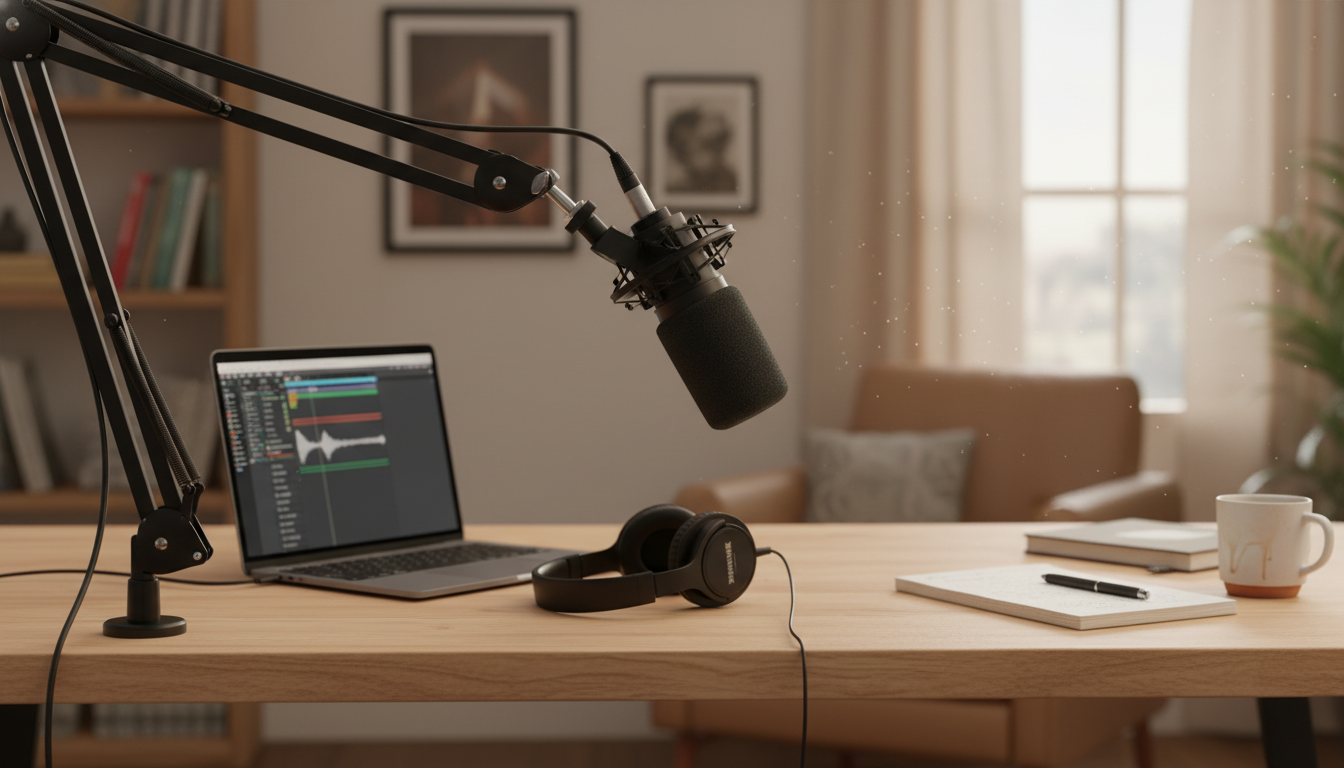
Foam Windscreen Pop Filter for Shure SM7B: Cleaner Vocals, Fewer Plosives
A snug foam windscreen can make the Shure SM7B sound more controlled by softening plosives, taming breath noise, and reducing light wind or fan turbulence before it ever hits the capsule. The result is often less time spent fixing spikes and thumps in post, especially for close-mic spoken word. Below is a practical breakdown of what a foam pop filter does, when it helps most, and how to fit and care for one so your SM7B stays consistent session after session. For more guidance, see Shure MV7 – Transom.
What a foam windscreen changes in your recording
A foam windscreen works like a “speed bump” for moving air. Instead of a fast burst slamming into the grille (and producing that familiar low-frequency thump), the foam diffuses and slows airflow before it reaches the microphone’s internal wind protection.
- Reduces plosives (p, b, t sounds) by breaking up fast air bursts before they strike the microphone grille.
- Smooths breath noise and some mouth clicks that can become more obvious when you’re speaking right up on the mic.
- Helps with light drafts from HVAC vents, desk fans, or movement near the microphone during long takes.
- May slightly soften high frequencies; distance, angle, and light EQ can bring back brightness without reintroducing plosives.
- Adds a protective layer that can keep the mic cleaner during frequent speaking sessions (saliva mist and dust tend to land on the foam first).
The SM7B is already a broadcast staple with built-in wind protection, but close technique and expressive delivery can still create plosives. Foam is a simple “set it and forget it” step that helps keep the tone stable when your energy changes from sentence to sentence.
Foam windscreen vs. external pop filter vs. both
Most creators end up choosing between a foam windscreen, an external pop filter, or stacking them for maximum control. Each option has tradeoffs in space, look, and tone.
- Foam windscreen: fast, compact, and ideal for tight desks or on-camera work; strongest benefit is air-burst control close to the grille.
- External pop filter (mesh/metal): excellent plosive control with minimal tonal change, but needs stand/arm placement and extra space.
- Using both: useful for very close, energetic delivery (broadcast/podcasting) or when you must stay close to minimize room reflections.
- Note on sibilance: if harsh “s” sounds are the problem, mic positioning and de-essing/EQ typically matter more than foam thickness.
Quick comparison for common speaking setups
| Setup | Plosive control | Tone impact | Best for |
|---|---|---|---|
| Foam windscreen only | High | Low to moderate softening | Podcasts, streaming, compact desks |
| External pop filter only | Very high | Minimal | Studio vocals, voiceover booths |
| Foam + external pop filter | Max | Moderate (manage with EQ) | Close-up broadcast style, energetic speech |
| No filter | Low | None | Distant mic placement, controlled airflow |
Fit and placement tips for the Shure SM7B
The SM7B’s body and grille shape are distinctive, so fit matters. A windscreen that’s meant for SM7B-style microphones should slide on snugly and stay put even when the mic is angled downward on a boom arm.
- Choose the right size: a purpose-fit foam windscreen is less likely to slip or bunch, which keeps tone consistent.
- Stay consistent with distance: for a classic broadcast sound, many speakers land in the 2–6 inch range; pick a distance you can repeat.
- Go slightly off-axis: aim your voice just to the side of the capsule rather than straight into the center of the grille to reduce plosive energy.
- If it gets too dark: back off an inch, rotate the mic a few degrees, or add a gentle high-shelf EQ—removing the windscreen often brings plosives back faster than it restores “air.”
- Don’t confuse air noise with vibration: foam helps with airflow; it won’t fix boom arm creaks, desk bumps, or cable tug noise.
For reference specs and the microphone’s intended use cases, Shure’s official page is a helpful baseline: Shure SM7B Vocal Microphone.
Care and cleaning for consistent performance
Foam is porous by design, which is why it’s effective. Over time, it can collect dust and moisture, and that buildup can slightly change airflow diffusion (and, more importantly, hygiene).
If you already use an external pop filter and want to understand other wind protection options, this overview is a solid primer: RØDE Pop Filters and Wind Protection.
Common scenarios where it helps most
Product picks (in stock)
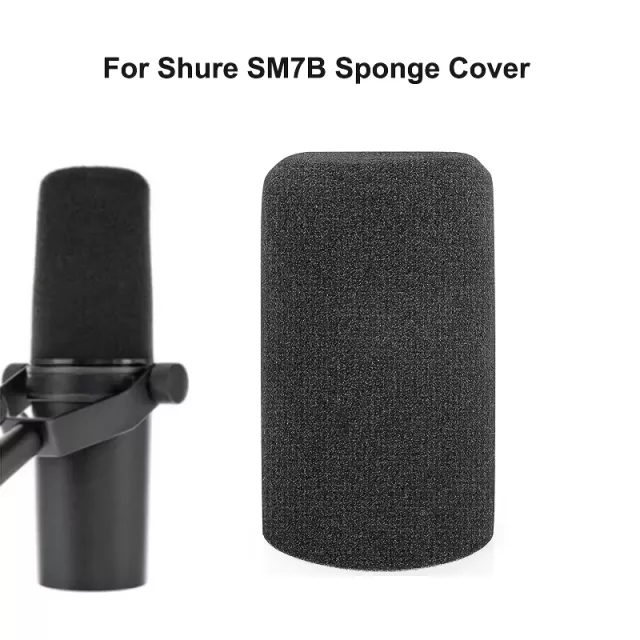
- Foam Windscreen Pop Filter for Shure SM7B Mic – Professional Noise Reduction — a compact foam option for reducing plosives and airflow noise without adding extra hardware in front of the mic.
- Spring Plaid Wide Padded Headband – Chic Cotton Blend Hair Accessory — a simple on-camera accessory that helps keep hair and clothing rustle away from your mic zone during recording.
At-a-glance details
| Item | Details |
|---|---|
| Product | Foam Windscreen Pop Filter for Shure SM7B Mic – Professional Noise Reduction |
| Price | $4.97 USD |
| Availability | In stock |
| MPN / SKU | 25801 / 1 |
FAQ
Will a foam windscreen change the sound of an SM7B?
Yes. Foam can slightly smooth or darken the top end; if that happens, try a small angle change, a touch more distance, or a light high-shelf EQ to restore clarity without bringing plosives back.
Is a foam windscreen enough to stop plosives, or is a pop filter still needed?
Foam is often enough for typical speech and streaming distances. If you’re very close or naturally speak with strong plosive bursts, pairing foam with an external pop filter is the most reliable setup.
How often should a foam windscreen be cleaned or replaced?
Clean it periodically based on use—more often for daily sessions. Replace it when the foam tears, becomes brittle, or stays compressed and no longer fits securely.















Leave a comment