Digital Etiquette Mistakes: Texts, RSVPs, Tone & More

What are the most common modern etiquette mistakes in digital communication, and how do you avoid them?
Most digital etiquette slip-ups come down to unclear expectations, mismatched tone, and treating every channel like it’s interchangeable. A few small adjustments can make messages feel considerate, efficient, and easy to respond to.
1) Treating text like a formal letter (or a formal email like a text)
Texts are best for quick, low-stakes coordination; email works better for details that need to be searchable and complete. Avoid one-word texts that create a ping-pong thread (“K”) and avoid vague emails that force follow-up (“Let’s connect sometime”). Match the medium to the complexity and include the key details upfront.
2) Delayed or unclear RSVPs
One of the most common modern etiquette mistakes is letting invitations linger. If you know, respond. If you don’t, send a short “Thanks—checking my schedule and will confirm by Friday.” Then actually confirm by that time.
3) Tone that reads harsher than intended
Digital messages remove vocal cues, so brevity can look angry. If a note is short by necessity, soften it with a clear, polite line (“Thanks for taking a look”) and avoid all-caps, heavy sarcasm, or excessive punctuation. When something could be sensitive, move to a call.
4) Using read receipts, reactions, and “seen” as pressure
Seeing a message doesn’t always mean someone can reply. Don’t call out delays (“Saw you read this…”) unless it’s genuinely urgent. If it is urgent, say so and offer a simple next step.
5) Oversharing or over-tagging on social media
Before posting photos, tagging, or sharing someone else’s news, consider consent and context—especially for workplaces, kids, and private events. When in doubt, ask first or share without tagging.
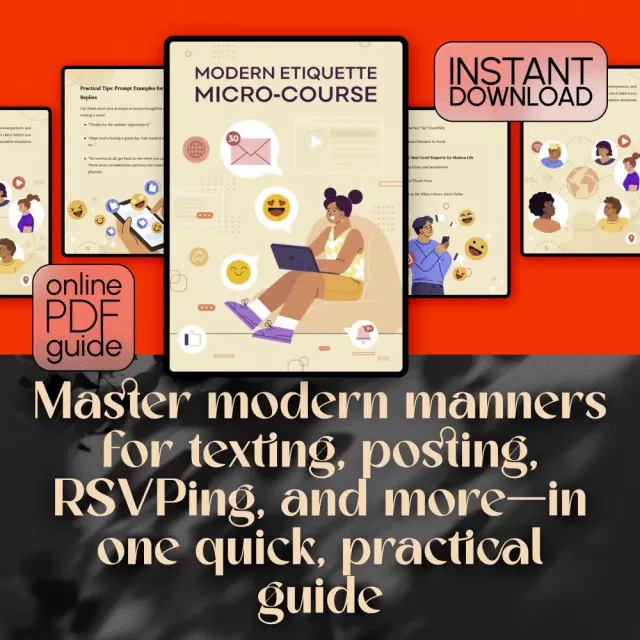
For more practical examples on texting, RSVPs, and social media norms, see the full guide: https://adorien.com/guide-modern-etiquette-micro-course-texting-rsvps-social-media/.
FAQ
How quickly should you respond to a text or DM?
For time-sensitive messages, reply as soon as you can—even if it’s just to say when you’ll follow up. For casual messages, same day is a solid default, with extra grace for work hours, time zones, and personal boundaries.













Leave a comment